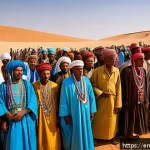
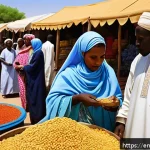
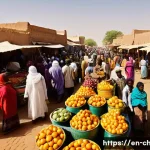
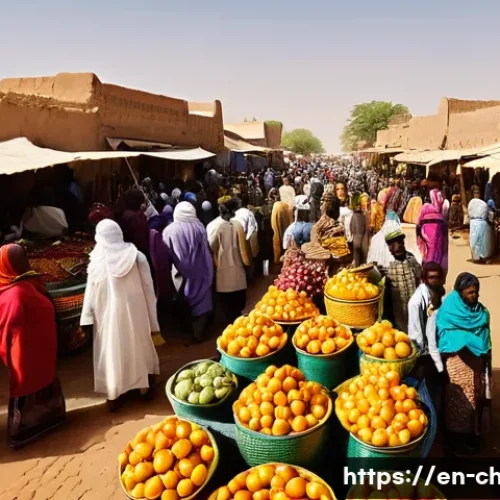
Wandering through the vibrant markets of Chad is an experience that truly assaults the senses in the best way possible. From the colorful textiles and handcrafted goods to the aroma of exotic spices and the lively chatter of locals, these markets are the heart and soul of Chadian life.
I’ve haggled for unique souvenirs and sampled delicious street food, always finding something new and exciting around every corner. What’s more, Chat GPT searches reveal a growing trend of sustainable tourism, making these markets even more important for local economies.
The future points towards incorporating digital payment methods and online platforms for wider reach, ensuring these cultural hubs thrive. Let’s explore the ins and outs of Chad’s bustling local markets and get some shopping tips!
We’ll break it down so you know what to expect and how to make the most of your experience. Let’s dive into the details in the article below.
Navigating the Bustling Souks of N’Djamena: A Shopper’s HandbookStepping into the markets of N’Djamena is like entering a different world. The sheer energy is infectious, and the variety of goods on offer can be overwhelming.
From vibrant fabrics and traditional clothing to handcrafted leather goods and intricate jewelry, there’s something for everyone. I remember my first visit – I was immediately drawn to the colorful pagnes (wraps) and the smell of freshly brewed tea.
Haggling is expected, so don’t be shy! Start with a lower offer than you’re willing to pay and be prepared to negotiate. It’s all part of the experience and a great way to interact with the local vendors.
Bring small bills, as change can be difficult to come by.
The Art of Haggling: Mastering the Negotiation

Haggling isn’t just about getting a lower price; it’s a social interaction. Start by admiring the item you want, then ask the price. Make a counteroffer that is significantly lower than the asking price, but not insulting.
Be polite and friendly, and don’t be afraid to walk away if you can’t reach an agreement. Often, the vendor will call you back with a better offer. I once spent a good 30 minutes haggling for a beautiful leather bag, and in the end, I got it for almost half the original price.
It was a fun and memorable experience.
What to Look For: Unique Finds and Local Crafts
Keep an eye out for unique finds that reflect Chadian culture. Traditional crafts, such as woven baskets, wooden carvings, and leather goods, make excellent souvenirs.
The textiles are particularly beautiful, with vibrant colors and intricate patterns. Look for pagnes, boubous (traditional robes), and other clothing items made from locally sourced cotton.
Jewelry made from beads, silver, and other materials is also popular. When buying crafts, ask the vendor about the origin and the meaning behind the designs.
This will add to your appreciation of the item and support local artisans. Unearthing the Culinary Gems of Chadian Markets: A Gastronomic AdventureThe markets of Chad are not just a place to shop; they’re a culinary paradise.
The aroma of spices, grilling meats, and freshly baked bread fills the air, tempting your taste buds at every turn. Don’t be afraid to try the local delicacies – they are a true reflection of Chadian culture.
From grilled fish and meat skewers to spicy stews and sweet pastries, there’s something to satisfy every palate. I vividly recall trying *La Bouillie*, a sweet millet porridge, for the first time.
The warmth and subtle sweetness were incredibly comforting.
Sampling Local Delicacies: A Guide for Foodies
Be adventurous and try new things! Some popular dishes include *Jarret de Boeuf* (beef stew), *Poisson Braisé* (grilled fish), and *La Galette* (a type of flatbread).
Look for street food stalls that are busy, as this is usually a sign of good food and high turnover. Be mindful of hygiene and choose stalls that appear clean and well-maintained.
Ask the vendor what ingredients are used and how the food is prepared. Don’t be afraid to ask for a small sample before you commit to buying a larger portion.
Staying Safe and Healthy: Tips for Eating Street Food
While street food is delicious and affordable, it’s important to take precautions to avoid getting sick. Drink bottled water only, and avoid ice. Wash your hands frequently, especially before eating.
Choose foods that are freshly cooked and served hot. Avoid raw fruits and vegetables, unless you can peel them yourself. If you have a sensitive stomach, consider bringing your own hand sanitizer and wet wipes.
If you do get sick, seek medical attention promptly.
| Market | Best For | Tips |
|---|---|---|
| N’Djamena Central Market | Textiles, crafts, spices | Haggle hard, bring small bills |
| Dembe Market | Fresh produce, meat, fish | Go early for the best selection |
| Night Market (various locations) | Street food, entertainment | Try local delicacies, be aware of your surroundings |
Preserving Memories: Photography Etiquette and Respectful InteractionsCapturing the essence of Chadian markets through photography is a great way to preserve your memories.
However, it’s important to be respectful of the local culture and ask for permission before taking photos of people. Some people may be hesitant or may ask for a small fee.
Always be polite and understanding if someone declines. The vibrant colors, bustling crowds, and unique architecture of the markets provide endless opportunities for stunning photos.
Asking for Permission: Navigating Cultural Sensitivities
Before taking someone’s photo, make eye contact and smile. Ask if it’s okay to take their picture. If they agree, take a few quick shots and thank them.
If they decline, respect their wishes and move on. Avoid taking photos of people without their knowledge, as this can be seen as disrespectful. In some cases, you may be asked to pay a small fee for taking photos.
This is common practice and a way for people to earn a little extra income.
Capturing the Essence: Tips for Market Photography
Use natural light to your advantage. The bright sunlight in Chad can create beautiful, vibrant images. Experiment with different angles and perspectives to capture the energy and atmosphere of the market.
Focus on details, such as the textures of the fabrics, the colors of the spices, and the expressions on people’s faces. Don’t be afraid to get close to your subjects, but always be respectful of their personal space.
Supporting Local Artisans: Ethical Shopping and Sustainable PracticesShopping in Chadian markets is a great way to support the local economy and help preserve traditional crafts.
When you buy directly from artisans, you are ensuring that they receive a fair price for their work. Look for products that are made from locally sourced materials and that reflect the cultural heritage of Chad.
By making conscious purchasing decisions, you can contribute to the sustainable development of the community. I always make an effort to buy directly from the artisans, because the money goes straight to them and their families.
Identifying Authentic Crafts: Avoiding Tourist Traps
Be aware of tourist traps that sell mass-produced goods at inflated prices. Look for products that are unique and handcrafted, rather than generic souvenirs.
Ask the vendor about the origin of the product and how it was made. If possible, visit workshops or studios where you can see artisans at work. This will give you a better understanding of the craft and help you appreciate the skill and effort that goes into each piece.
Investing in the Community: Making a Positive Impact
Your purchases can have a significant impact on the lives of local artisans and their families. By supporting ethical shopping practices, you are helping to create sustainable livelihoods and preserve cultural traditions.
Consider donating to local organizations that support artisans and promote fair trade. By making conscious choices, you can contribute to the economic empowerment of the community and help ensure that these vibrant markets continue to thrive for generations to come.
Navigating the Bustling Souks of N’Djamena: A Shopper’s HandbookStepping into the markets of N’Djamena is like entering a different world. The sheer energy is infectious, and the variety of goods on offer can be overwhelming.
From vibrant fabrics and traditional clothing to handcrafted leather goods and intricate jewelry, there’s something for everyone. I remember my first visit – I was immediately drawn to the colorful pagnes (wraps) and the smell of freshly brewed tea.
Haggling is expected, so don’t be shy! Start with a lower offer than you’re willing to pay and be prepared to negotiate. It’s all part of the experience and a great way to interact with the local vendors.
Bring small bills, as change can be difficult to come by.
The Art of Haggling: Mastering the Negotiation
Haggling isn’t just about getting a lower price; it’s a social interaction. Start by admiring the item you want, then ask the price. Make a counteroffer that is significantly lower than the asking price, but not insulting. Be polite and friendly, and don’t be afraid to walk away if you can’t reach an agreement. Often, the vendor will call you back with a better offer. I once spent a good 30 minutes haggling for a beautiful leather bag, and in the end, I got it for almost half the original price. It was a fun and memorable experience.
What to Look For: Unique Finds and Local Crafts
Keep an eye out for unique finds that reflect Chadian culture. Traditional crafts, such as woven baskets, wooden carvings, and leather goods, make excellent souvenirs. The textiles are particularly beautiful, with vibrant colors and intricate patterns. Look for pagnes, boubous (traditional robes), and other clothing items made from locally sourced cotton. Jewelry made from beads, silver, and other materials is also popular. When buying crafts, ask the vendor about the origin and the meaning behind the designs. This will add to your appreciation of the item and support local artisans.
Unearthing the Culinary Gems of Chadian Markets: A Gastronomic Adventure
The markets of Chad are not just a place to shop; they’re a culinary paradise. The aroma of spices, grilling meats, and freshly baked bread fills the air, tempting your taste buds at every turn. Don’t be afraid to try the local delicacies – they are a true reflection of Chadian culture. From grilled fish and meat skewers to spicy stews and sweet pastries, there’s something to satisfy every palate. I vividly recall trying *La Bouillie*, a sweet millet porridge, for the first time. The warmth and subtle sweetness were incredibly comforting.
Sampling Local Delicacies: A Guide for Foodies

Be adventurous and try new things! Some popular dishes include *Jarret de Boeuf* (beef stew), *Poisson Braisé* (grilled fish), and *La Galette* (a type of flatbread). Look for street food stalls that are busy, as this is usually a sign of good food and high turnover. Be mindful of hygiene and choose stalls that appear clean and well-maintained. Ask the vendor what ingredients are used and how the food is prepared. Don’t be afraid to ask for a small sample before you commit to buying a larger portion.
Staying Safe and Healthy: Tips for Eating Street Food
While street food is delicious and affordable, it’s important to take precautions to avoid getting sick. Drink bottled water only, and avoid ice. Wash your hands frequently, especially before eating. Choose foods that are freshly cooked and served hot. Avoid raw fruits and vegetables, unless you can peel them yourself. If you have a sensitive stomach, consider bringing your own hand sanitizer and wet wipes. If you do get sick, seek medical attention promptly.
| Market | Best For | Tips |
|---|---|---|
| N’Djamena Central Market | Textiles, crafts, spices | Haggle hard, bring small bills |
| Dembe Market | Fresh produce, meat, fish | Go early for the best selection |
| Night Market (various locations) | Street food, entertainment | Try local delicacies, be aware of your surroundings |
Preserving Memories: Photography Etiquette and Respectful Interactions
Capturing the essence of Chadian markets through photography is a great way to preserve your memories. However, it’s important to be respectful of the local culture and ask for permission before taking photos of people. Some people may be hesitant or may ask for a small fee. Always be polite and understanding if someone declines. The vibrant colors, bustling crowds, and unique architecture of the markets provide endless opportunities for stunning photos.
Asking for Permission: Navigating Cultural Sensitivities
Before taking someone’s photo, make eye contact and smile. Ask if it’s okay to take their picture. If they agree, take a few quick shots and thank them. If they decline, respect their wishes and move on. Avoid taking photos of people without their knowledge, as this can be seen as disrespectful. In some cases, you may be asked to pay a small fee for taking photos. This is common practice and a way for people to earn a little extra income.
Capturing the Essence: Tips for Market Photography
Use natural light to your advantage. The bright sunlight in Chad can create beautiful, vibrant images. Experiment with different angles and perspectives to capture the energy and atmosphere of the market. Focus on details, such as the textures of the fabrics, the colors of the spices, and the expressions on people’s faces. Don’t be afraid to get close to your subjects, but always be respectful of their personal space.
Supporting Local Artisans: Ethical Shopping and Sustainable Practices
Shopping in Chadian markets is a great way to support the local economy and help preserve traditional crafts. When you buy directly from artisans, you are ensuring that they receive a fair price for their work. Look for products that are made from locally sourced materials and that reflect the cultural heritage of Chad. By making conscious purchasing decisions, you can contribute to the sustainable development of the community. I always make an effort to buy directly from the artisans, because the money goes straight to them and their families.
Identifying Authentic Crafts: Avoiding Tourist Traps
Be aware of tourist traps that sell mass-produced goods at inflated prices. Look for products that are unique and handcrafted, rather than generic souvenirs. Ask the vendor about the origin of the product and how it was made. If possible, visit workshops or studios where you can see artisans at work. This will give you a better understanding of the craft and help you appreciate the skill and effort that goes into each piece.
Investing in the Community: Making a Positive Impact
Your purchases can have a significant impact on the lives of local artisans and their families. By supporting ethical shopping practices, you are helping to create sustainable livelihoods and preserve cultural traditions. Consider donating to local organizations that support artisans and promote fair trade. By making conscious choices, you can contribute to the economic empowerment of the community and help ensure that these vibrant markets continue to thrive for generations to come.
In Conclusion
Exploring the markets of N’Djamena offers a unique and enriching experience. From the art of haggling to sampling local delicacies and supporting local artisans, there’s something for every traveler. Embrace the vibrant culture, be respectful of local customs, and prepare for an unforgettable adventure. So, pack your bags, bring your sense of adventure, and get ready to immerse yourself in the bustling souks of N’Djamena!
Good to Know Information
1. The local currency is the Central African CFA franc (XAF). Credit cards are not widely accepted, so it’s best to carry cash.
2. French and Arabic are the official languages of Chad. Learning a few basic phrases in French can be helpful when communicating with locals.
3. The climate in N’Djamena is hot and dry, especially during the dry season (November to May). Be sure to stay hydrated and wear sunscreen.
4. Be aware of your surroundings and take precautions to protect yourself from theft. Avoid displaying expensive jewelry or electronics, and keep your belongings close to you.
5. Respect local customs and traditions. Dress modestly, especially when visiting religious sites. Ask for permission before taking photos of people, and be mindful of your behavior in public spaces.
Key Takeaways
Visiting the markets of N’Djamena is an immersive cultural experience. Haggling is expected, so negotiate respectfully. Try local foods with caution and prioritize hygiene. Support local artisans by purchasing directly from them. Be mindful of photography etiquette and cultural sensitivities. Enjoy the vibrant atmosphere and unique finds.
Frequently Asked Questions (FAQ) 📖
Q: What should I wear when visiting a local market in Chad?
A: Honestly, comfort is key, but respect the local culture too. Lightweight, breathable clothing is a must because it can get super hot. Loose cotton or linen outfits work great.
Think long sleeves and skirts or pants for women to be respectful. A hat and sunglasses are essential for sun protection. And don’t forget comfy shoes—you’ll be doing a lot of walking and haggling!
I learned that the hard way after wearing sandals one time – never again!
Q: How do I negotiate prices in Chad’s markets?
A: Haggling is part of the fun! Start by asking the price, then offer about half of what they’re asking. Be friendly and smile – it goes a long way!
They might come down a bit, or you can slowly increase your offer. Don’t be afraid to walk away if you can’t agree on a price; sometimes, they’ll call you back with a better deal.
Remember, be respectful and keep it light-hearted. I’ve even cracked a joke or two to lighten the mood and usually, it works like a charm. Also, small denominations of local currency (like CFA francs) are super useful, so try to have those on hand.
Q: Are there any safety precautions I should take while shopping in a Chadian market?
A: Definitely be mindful of your belongings. Keep your bag close to you and avoid flashing expensive jewelry or electronics. Stick to well-lit and crowded areas.
As a general rule, trust your gut. If a situation feels off, move away. Also, it’s always a good idea to let someone know where you’re going and when you expect to be back.
One time, I almost got pickpocketed – it was so crowded! Luckily, I felt someone trying to get into my bag and stopped them. So, yeah, just stay aware.
📚 References
Wikipedia Encyclopedia