Ever wonder what it’s like when your online world suddenly goes dark, or when the news you rely on seems carefully curated? It’s a stark reality for many, and frankly, it’s something I’ve been thinking a lot about lately.
Diving into the digital landscape of Chad, I’ve discovered a complex and often challenging environment where internet access and media freedom are frequently at the forefront of national conversations.
For citizens and journalists alike, navigating these waters means facing everything from service disruptions to tight regulatory controls. It really makes you appreciate the open access we often take for granted, doesn’t it?
This isn’t just about a far-off place; it’s a window into the global struggle for digital rights and unbiased information. Let’s dig deeper into what’s really happening on the ground and uncover the real story.
Navigating the Digital Currents: When the World Goes Quiet
It’s a strange feeling, isn’t it? That moment when your phone or laptop suddenly stops connecting, and the vibrant, bustling online world you rely on just… vanishes. For many in Chad, this isn’t a fleeting inconvenience; it’s a stark, recurring reality. I’ve personally experienced the frustration of trying to get online only to be met with an unyielding blank screen, and it truly makes you appreciate the seamless connectivity many of us take for granted. It’s like a vital artery of information and connection just gets severed, often without warning. This isn’t just about losing access to social media; it’s about a profound disruption to daily life, to the flow of information, and to the very fabric of how people communicate and conduct business. The digital landscape here is a complex tapestry woven with threads of aspiration and immense challenge, making every internet outage feel like a step backward, an unfulfilled promise in a world that’s constantly pushing forward.
The Unpredictable Nature of Connectivity
You know, I’ve often wondered what it feels like to live in a place where your internet connection isn’t a given. Here, it’s a constant dance with uncertainty. We’ve seen periods where social media platforms like Facebook, WhatsApp, and Twitter just go dark for extended stretches. Remember that incredibly long 16-month social media blackout from March 2018 to July 2019? That was a really tough one for people, completely cutting off vital communication channels. More recently, in February 2024, internet connectivity and telecommunications were disrupted following a deadly attack on the country’s internal security agency, showing just how intertwined digital access is with political stability. These aren’t just technical glitches; they’re often deliberate actions, described by authorities as measures to curb “hate speech” or preserve “national security.” But for the everyday person, it feels more like being silenced, and that’s a deeply unsettling feeling.
Beyond the Buzzwords: Real Reasons for Disruption
It’s easy for governments to trot out phrases like “national security” or “curbing hate speech,” and while those concerns might exist, I’ve found that the timing of these disruptions often aligns perfectly with moments of political tension or public dissent. We’ve seen internet access restricted ahead of demonstrations and during controversial elections. It makes you question the true motives, doesn’t it? It feels less about protecting citizens and more about controlling the narrative, preventing people from organizing or sharing information that might challenge the status quo. For someone trying to stay informed or even just connect with family abroad, these justifications ring hollow. It’s a heavy-handed approach that leaves many feeling isolated and frustrated.
The High Cost of Silence: Impact on Everyday Lives
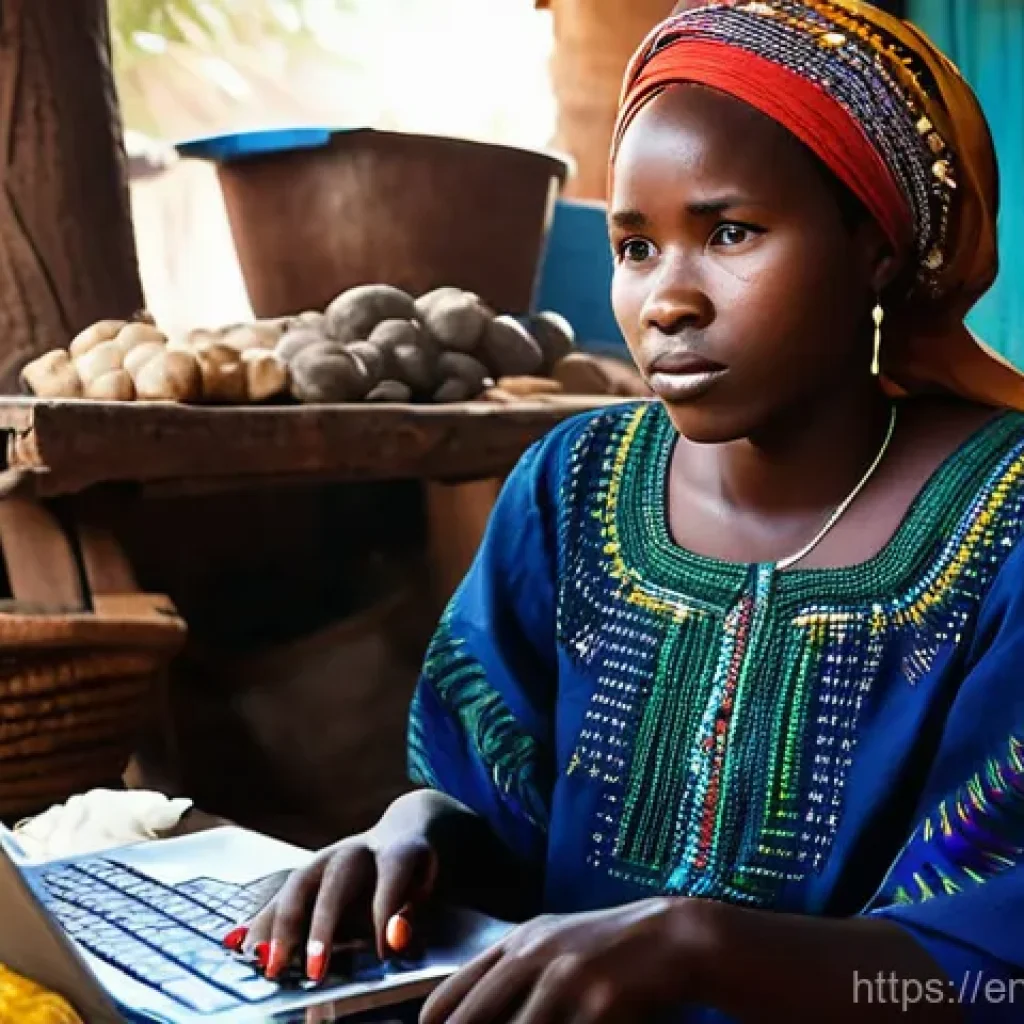
When the internet flickers out, it’s not just about missing out on your latest Instagram feed. It’s about real people, real livelihoods, and real connections suddenly being put on hold. I’ve heard countless stories of small business owners whose online sales grind to a halt, or students struggling to access essential educational resources. Imagine being an entrepreneur who relies on WhatsApp to communicate with customers and suppliers, only to wake up one morning and find it completely inaccessible. That’s a direct hit to their ability to earn a living, and it’s a harsh reality that I know many Chadians face. This isn’t some abstract policy; it directly impacts families and communities.
Economic Fallout from Digital Blackouts
The financial toll of these shutdowns is truly staggering. Organizations have estimated that internet restrictions cost the Chadian economy millions of dollars. For instance, between July and December 2020 alone, restrictions on internet access cost the country an estimated USD 23 million. That’s a huge sum for any economy, let alone one like Chad’s. Businesses that rely on online communication for everything from marketing to processing payments are left scrambling, and the ripple effect on the wider economy is undeniable. It also scares off potential investors, who see this instability as a major risk. It’s a self-inflicted wound that holds back progress and prosperity.
Silencing Voices: The Chill on Free Expression
Beyond the economic hit, there’s the profound human cost to freedom of expression. When social media is blocked or internet speeds are throttled, it becomes incredibly difficult for citizens to voice their opinions, organize peaceful protests, or even share information about what’s happening in their communities. Human rights activists have told me how these restrictions severely impede their ability to expose violations and mobilize action. It’s a chilling effect, forcing people into self-censorship out of fear of reprisal. This kind of environment doesn’t just suppress dissent; it stifles open dialogue and makes it harder for a society to grow and evolve. It truly makes you think about how essential an open internet is for a healthy democracy.
The Struggle for Information: Media Under Constant Scrutiny
It’s not just individual internet users who feel the squeeze; the media landscape itself is a minefield. Journalists, the very people tasked with bringing us the news, operate under immense pressure, facing everything from intimidation to arbitrary arrests. I’ve always believed that a free press is the bedrock of any informed society, and seeing these constant challenges makes me deeply concerned for the public’s right to know. Reporters Without Borders ranked Chad 109th out of 180 countries in its 2023 press freedom index, which really paints a picture of the uphill battle journalists face.
Journalists on the Front Lines
Being a journalist in Chad is genuinely dangerous. They face death threats and restrictions when covering sensitive topics, especially under the current transitional authority. The murder of Idriss Yaya, a journalist for Radio Communautaire de Mongo, along with his entire family in March 2024, is a grim reminder of the risks involved. It makes my heart ache to think of the courage it takes for these individuals to do their jobs, knowing the potential consequences. Even for those not facing direct violence, there’s the constant threat of arbitrary arrest or detention on charges like defamation, which effectively silences critical reporting. It’s a very harsh environment where telling the truth can come at an incredibly high price.
Regulatory Tightropes: HAMA’s Grip on Content
The High Authority for Media and Audiovisual (HAMA) is supposed to promote press freedom, but in practice, it often acts as a government tool for control. We’ve seen online newspapers suspended for reporting on public figures or government mismanagement. Just recently, HAMA issued a directive that could suspend or revoke licenses of outlets sharing online content outside of narrowly defined circumstances, particularly targeting audiovisual content from private newspapers online. This feels like a blatant attempt to control the narrative, especially with elections looming. The message it sends is clear: toe the line, or face the consequences. It truly undermines the spirit of an independent press.
Bridging the Gap: Infrastructure Challenges and Digital Dreams
It’s easy to focus on censorship, but we can’t forget the foundational issues. Chad, being a landlocked country, faces unique geographical challenges in establishing robust and resilient internet infrastructure. I’ve learned that much of its international connectivity relies on just a few links through neighboring countries like Cameroon and Sudan. When those links are disrupted, whether by conflict or natural disaster, the entire nation feels the pinch. It’s like having only one road to your town, and if that road gets blocked, you’re cut off. This vulnerability is a major factor in the frequent outages we see, independent of any deliberate government action.
Fragile Connections: The Backbone of the Internet
Just this year, in August 2024, a significant internet outage lasting three hours was recorded in Chad, reportedly due to a double fiber cut to infrastructure in Cameroon. Compounding the problem, the other international link via Sudan has been down since May 2024 due to ongoing conflict. This really highlights how precarious the situation is. Chad’s internet resilience is ranked very low, which means it struggles to withstand these kinds of unexpected faults. When I think about it, it’s a constant battle against both human intervention and the physical limitations of geography and infrastructure. It makes the prospect of stable, reliable internet feel like a distant dream for many.
The Digital Divide: High Costs and Low Penetration
Even when the internet is available, affordability remains a huge barrier. Chad has one of the world’s lowest internet penetration rates, with only around 13.2% of the population having access in early 2025. Compared to the global average of over 70%, that’s a massive gap. And to make matters worse, the costs of digital communication can be prohibitively high. It’s a cruel irony: for those who *can* get online, it’s often too expensive, creating a clear divide between the haves and have-nots in the digital realm. This isn’t just an economic issue; it’s a social one, limiting opportunities for education, commerce, and connection for the vast majority of people.
A Glimmer of Hope? Investing in a Connected Future
Despite the hurdles, there are concerted efforts to improve Chad’s digital landscape, and I’ve seen firsthand how much hope these initiatives bring. The challenges are enormous, but the recognition that robust internet access is crucial for national development is a powerful motivator. It’s not just about getting online; it’s about unlocking potential, fostering innovation, and connecting Chad to the global economy in a meaningful way. I truly believe that every step towards better infrastructure is a step towards a brighter future for the country.
Expanding the Digital Lifelines
There’s been a big push to expand the country’s fiber optic network. For example, a 1,200 km fiber optic network linking the capital N’Djamena to the border with Sudan was launched, which was a significant step in broadband coverage extension. More recently, officials are intensifying efforts to connect Chad to the Trans-Saharan fiber optic network via Niger, with commitments from the EU and African Development Bank. This project aims to reduce regular blackouts caused by disruptions in Cameroon, which has been the sole digital gateway for a long time. My hope is that by diversifying these crucial international links, Chad can build a more resilient and reliable internet infrastructure, minimizing the impact of future disruptions.
Empowering the Next Generation
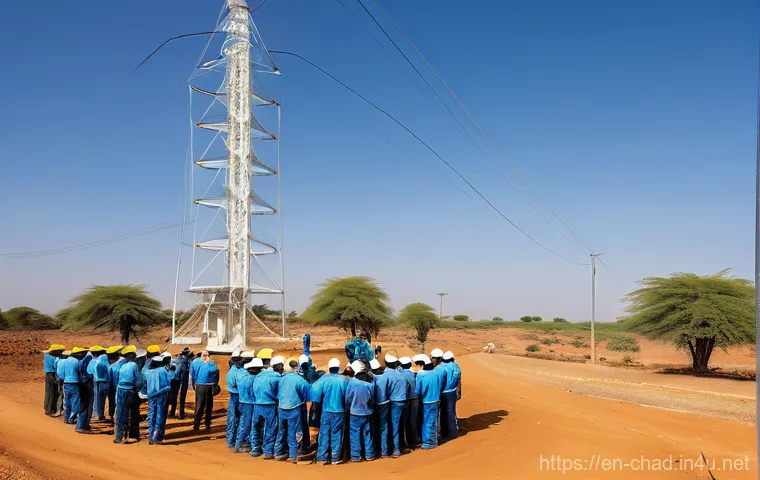
The youth here are incredibly eager to embrace the digital world, and it’s inspiring to see their determination. They understand that digital literacy and access are keys to their future. While less than 20% of Chadian students had a stable internet connection in 2024, there are initiatives aimed at improving this. The Chadian government, through its Ministry of Higher Education, is promising a better digital vision by 2030, with plans to digitally equip universities and schools. This kind of investment in human capital, alongside infrastructure, is exactly what’s needed. It’s about empowering a generation to overcome the current limitations and truly thrive in an increasingly digital world.
The Ripple Effect: How Restrictions Hurt Everyday Life
It’s easy to talk about internet shutdowns and media censorship in abstract terms, but when you zoom in on the individual, the impact is incredibly personal and painful. I’ve seen how these disruptions erode trust, create fear, and make simply living daily life much harder. From financial instability to mental stress, the consequences reverberate far beyond a single lost connection. It really brings home the idea that digital rights are, at their core, human rights. People here aren’t asking for luxuries; they’re asking for the basic ability to communicate, learn, and earn a living without constant threat of being cut off.
Eroding Trust and Fostering Self-Censorship
When the internet is frequently cut off, or social media is blocked, it creates an environment of deep distrust. Citizens start to question what information they can access and whether the news they’re getting is truly unbiased. This fear of reprisal for expressing dissenting views leads to widespread self-censorship, which is a dangerous thing for any society. People become hesitant to share their thoughts or engage in public discourse, even in private online spaces, because they worry about the consequences. I’ve heard firsthand how this chilling effect can silence important conversations and prevent communities from addressing critical issues openly.
Impact on Mental Health and Social Cohesion
Beyond the economic and political, there’s a real human toll. Imagine being unable to check in on loved ones during a crisis, or having your primary means of social connection suddenly vanish. These disruptions can lead to feelings of isolation, anxiety, and frustration. For communities already facing numerous challenges, these digital blackouts add another layer of stress. While it might seem trivial to some, for many, social media platforms are vital for maintaining connections, accessing support networks, and sharing cultural experiences. When those are cut off, it impacts the very fabric of social cohesion and individual well-being.
Behind the Veil: Understanding Government Motives
When a government decides to pull the plug on internet access or muzzle the media, it’s rarely a simple decision. There are layers of motivation, often rooted in a desire for control during periods of political sensitivity. From what I’ve observed and heard, these actions are usually a reactive measure, a tool deployed when the authorities feel their power or the national narrative is being challenged. It’s a clear indication that the flow of information is seen as a powerful force, one that needs to be managed carefully, if not outright suppressed.
Responding to Dissent and Protests
It’s no secret that internet shutdowns often coincide with moments of public unrest or political opposition. Chad has a long history of using internet restrictions to manage public narratives during political crises and security incidents. From protests against constitutional changes to controversial elections, the pattern is clear: when citizens voice their discontent, internet access frequently suffers. Authorities will often cite “security measures” or “incitement to hatred” as reasons, but the timing suggests a deeper motive: to prevent the organization of demonstrations and control the spread of information that could fuel dissent. It’s a strategy designed to prevent critical mass and maintain stability, however fragile.
Shaping the Narrative in a Digital Age
In today’s digital world, controlling information is paramount for many governments. The ability to shape public perception and prevent alternative viewpoints from gaining traction is a powerful incentive for censorship. By blocking social media and restricting online news, the authorities can limit exposure to critical voices and promote their own narratives without significant challenge. This isn’t just about preventing “bad information”; it’s about curating reality, making it incredibly difficult for citizens to form independent opinions based on a diverse range of sources. It’s a struggle for the hearts and minds of the people, played out on the digital stage.
Pathways to Progress: What the Future Holds
While the current situation in Chad presents considerable challenges for internet access and media freedom, I firmly believe that every problem holds the seeds of its solution. The growing awareness, both domestically and internationally, of the importance of digital rights and resilient infrastructure is a powerful catalyst for change. It’s not going to be an easy road, but the conversations are happening, and there’s a strong desire among many to see Chad embrace a more open and connected future. I’m optimistic that with continued effort, collaboration, and a commitment to transparency, real progress can be made.
Advocacy and Awareness
One of the most encouraging things I’ve seen is the resilience of civil society organizations and human rights activists. They are continuously working to document internet disruptions, challenge restrictions, and advocate for greater freedom of expression. Their efforts, even in the face of significant risk, are crucial in keeping these issues on the global agenda and pushing for accountability. They’re making sure that these stories aren’t forgotten and that the world knows what’s happening on the ground. This ongoing advocacy creates pressure and raises awareness, which is the first step towards meaningful change.
International Partnerships and Development
International organizations and development banks are playing a vital role in supporting Chad’s digital transformation. Projects like the World Bank-supported Central African Backbone (CAB) are working to expand ICT infrastructure, and renewed commitments from the EU and African Development Bank to connect Chad to the Trans-Saharan fiber optic network are truly promising. These partnerships are essential not just for building physical infrastructure, but also for fostering an environment where digital rights are respected and connectivity is seen as a tool for empowerment, not control. It’s a long game, but these foundational investments are critical for future stability and prosperity.
| Metric | Latest Available Data (2024/2025) | Key Observations |
|---|---|---|
| Internet Users (Total) | 2.74 – 4.18 million (Jan 2024-2025) | Figures vary slightly by report, but generally represent a growing, though still small, user base. |
| Internet Penetration Rate | 13.2% (Jan 2025) to 22.5% (Jan 2024) | Significantly lower than the world average of 72.46%. |
| Mobile Connections (Total) | 13.06 – 14.5 million (Jan 2024-2025) | Equivalent to 69.8% to 70.4% of the total population. |
| Social Media Users | 0.97 – 1.68 million (Jan 2024-2025) | Represents 5.2% to 8.1% of the total population. |
| Internet Resilience Score | 23-24% (2024) | Indicates low capacity to withstand unexpected faults or challenges. |
| Estimated Cost of Internet Disruption | Over USD $1M GDP loss from Feb 2024 shutdown alone. | Significant economic impact from recurring outages. |
글을 마치며
It’s clear, isn’t it, that the digital journey in Chad is a tapestry woven with both immense challenges and incredible resilience. From the frustration of sudden shutdowns that feel like a personal silencing, to the sheer determination of a population eager to connect and thrive, I’ve seen so much that truly highlights the human spirit. While the path to a fully open and stable internet is still unfolding, what truly resonates is the unwavering hope and the continued efforts, both locally and globally, to ensure that the vital arteries of information and connection can flow freely. This isn’t just about technology; it’s about empowerment, human rights, and building a brighter, more connected future for everyone.
알아두면 쓸모 있는 정보
1. Always have a backup communication plan. In regions with unstable internet, knowing how to reach loved ones or access critical information via alternative methods, like shortwave radio or even pre-arranged meeting spots, can be a real lifesaver when digital channels go dark.
2. Embrace the power of offline content. Before potential outages, download educational materials, news articles, podcasts, or entertainment. Having a library of information readily available on your device means you’re not left completely adrift when the internet disappears.
3. Support organizations advocating for digital rights and internet freedom. Your awareness and support, even if it’s just by sharing their work, contribute to a global movement pushing for transparent governance and universal access, helping those most affected by restrictions.
4. Familiarize yourself with the basics of VPNs (Virtual Private Networks). While their effectiveness against state-level censorship can vary, a reliable VPN can sometimes offer a secure and private way to access information that might otherwise be blocked, though always proceed with caution.
5. Stay informed about local and regional infrastructure developments. Understanding where new fiber optic cables are being laid or which international partnerships are forming can give you a better sense of future connectivity improvements and how your own digital experience might evolve.
중요 사항 정리
Chad’s digital landscape is heavily impacted by frequent internet disruptions, often deliberate and coinciding with political unrest, which significantly stifle both economic growth and fundamental freedom of expression. These challenges are compounded by a fragile and underdeveloped internet infrastructure, making the nation highly vulnerable to outages and leading to some of the world’s lowest internet penetration rates. However, there’s a growing commitment, backed by international partnerships and a clear government vision for 2030, to expand the fiber optic network and improve digital access, offering a tangible path towards a more connected and empowered future for its citizens.
Frequently Asked Questions (FAQ) 📖
Q: Why do internet access and social media seem to go dark so often in Chad, and what’s usually behind these disruptions?
A: Honestly, when I started looking into this, it was pretty eye-opening. It’s not just a rumor; internet access and especially social media platforms like WhatsApp and Facebook are frequently disrupted in Chad.
From what I’ve gathered, these aren’t usually technical glitches. We’re talking about deliberate actions by the authorities, and it often happens during really sensitive times—think political protests, elections, or moments when public discontent is boiling over.
They’ll typically tell you it’s for “security reasons” or to “maintain public order,” or sometimes even to curb what they call “hate speech” or “division” online.
But when you dig a little deeper, it feels more like an effort to control the narrative and stop people from organizing or sharing information freely.
It’s a stark reminder that what we take for granted in terms of connectivity isn’t a given everywhere.
Q: How do these frequent internet shutdowns and restrictions on media freedom genuinely impact the daily lives and livelihoods of ordinary Chadian citizens and local businesses?
A: This is where it really hits home, isn’t it? From my perspective, and from hearing stories, the impact is absolutely profound, stretching far beyond just not being able to check your feed.
Imagine trying to run a small business that relies on online sales or communicating with customers via messaging apps – poof, it’s gone. People lose their income, and the national economy takes a serious hit; we’re talking millions of dollars lost during extended blackouts.
For regular folks, it means being cut off from family and friends, especially if they live far away. And for journalists and activists, it’s a real struggle.
They can’t share vital information, expose human rights issues, or even organize peaceful protests, which effectively muzzles their voices. It makes you realize how interconnected our lives are with digital access, and how devastating it is when that’s taken away.
It’s not just an inconvenience; it’s a disruption to fundamental human connection and economic stability.
Q: What are Chadians and international groups doing to push back against these digital restrictions and advocate for more media freedom?
A: It’s easy to feel helpless when you hear about these kinds of restrictions, but what’s truly inspiring is that people aren’t just taking it lying down.
I’ve seen how Chadians themselves, along with international organizations, are really fighting back. Local civil society groups have taken legal action, even if the outcomes aren’t always favorable.
Many individuals resort to using VPNs – virtual private networks – to get around the blocks, which, while it works, often comes with its own costs and technical hurdles.
Globally, digital rights advocates and human rights organizations are constantly monitoring the situation, documenting these shutdowns, and raising awareness internationally.
They’re putting pressure on the Chadian authorities to uphold freedom of expression, and they’re tirelessly campaigning for open internet access. It’s a slow burn, but every documented shutdown and every voice raised helps shine a light on the issue, pushing for a future where everyone has the right to connect and express themselves freely.