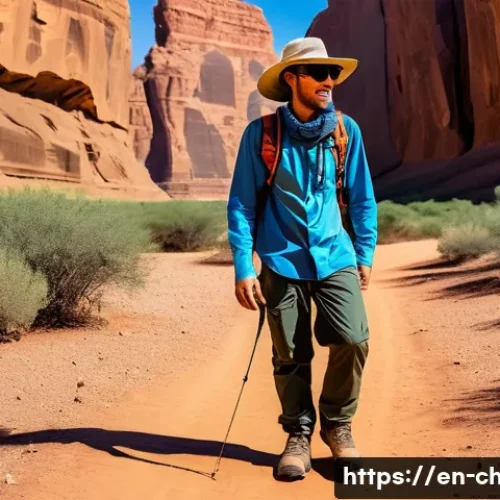
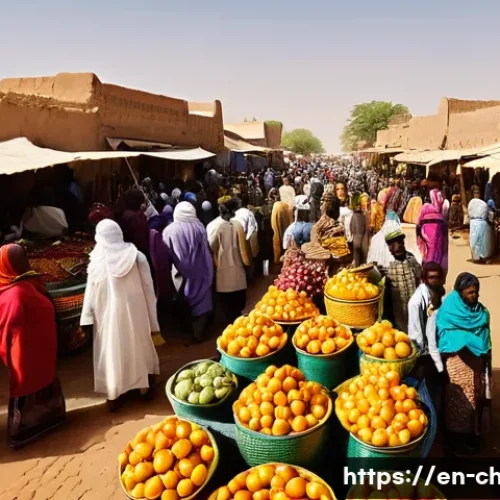
So, you’re dreaming of an unforgettable journey to Chad? What an incredible and truly unique adventure you’re about to embark on! The heart of Africa, with its breathtaking landscapes, rich history, and vibrant cultures, certainly calls to the most intrepid among us.

But let’s be totally honest, even for seasoned travelers like myself, venturing to such a distinctive corner of the world always sparks a few practical questions, especially concerning our well-being and staying healthy on the road.
I’ve personally found that the key to unlocking these once-in-a-lifetime experiences, completely stress-free, lies in being brilliantly prepared. It’s not just about packing the right gear; it’s about making sure your health is your top priority, giving you that absolute peace of mind to truly immerse yourself in every moment.
From understanding those essential vaccinations and navigating local health advisories to even picking up some insider tricks for staying hydrated under the Sahelian sun, there’s a wealth of up-to-date information that can genuinely make all the difference between a good trip and an absolutely phenomenal one.
With global travel constantly evolving, staying on top of the latest health recommendations isn’t just smart; it’s an absolute must for any responsible explorer looking to make the most of their journey without a hitch.
Ready to equip yourself with all the vital insights to ensure your Chad adventure is as healthy as it is unforgettable? Let’s dive in and get you fully prepared!
Navigating the Essential Health Checkpoints Before You Go
Getting Ahead with Vaccinations: Your First Line of Defense
Listen, I’ve trekked through countless countries, and if there’s one thing I’ve learned, it’s that prevention is truly your best friend, especially when heading to a place as unique and vibrant as Chad.
Before you even start thinking about packing your bags, the absolute top priority should be a visit to your doctor or a specialized travel clinic. Don’t leave this to the last minute, because some vaccinations require multiple doses spread out over weeks!
I personally make it a point to schedule this appointment at least 6-8 weeks before departure. For Chad, Yellow Fever vaccination is typically a non-negotiable, and you’ll definitely want that proof of vaccination in your international certificate of vaccination (that little yellow book, remember?).
But it doesn’t stop there. We’re talking about making sure you’re protected against Hepatitis A and B, Typhoid, Polio, Meningitis, and even Rabies, depending on your itinerary and how adventurous you plan to get.
I mean, who wants to be laid low with something preventable when there’s an entire country to explore? It’s all about setting yourself up for success, giving you that peace of mind so you can truly soak in every moment without a worry about what might be lurking.
Believe me, an ounce of prevention here is worth a pound of cure, and then some!
Beyond the Shots: Pre-Trip Consultations and Meds
Beyond the jabs, a thorough pre-trip consultation is your golden ticket to a healthy journey. This is where you discuss everything from your general health history to any specific activities you plan to undertake.
My doctor and I always go over a checklist of potential risks, tailored to my destination. For Chad, a major discussion point is always malaria. It’s endemic, and taking antimalarial medication is a serious consideration.
We’ll dive deeper into that in a bit, but for now, know that your doctor can prescribe the right medication for you, and sometimes it needs to be started before you even leave.
What about a basic traveler’s first-aid kit? Oh, absolutely essential! I never travel without my own supply of pain relievers, anti-diarrhea medication, antiseptic wipes, bandages, and any personal prescriptions.
Having these on hand saves you the hassle and stress of trying to find a pharmacy in an unfamiliar place, often when you’re not feeling your best. It’s not just about being prepared; it’s about being proactively responsible for your own well-being, which, in my experience, makes for a far more enjoyable and stress-free adventure.
Mastering Malaria: Strategies for Staying Bite-Free
Choosing the Right Antimalarial: A Personal Choice
When I first started exploring parts of the world where malaria is a real concern, I admit, the thought was a bit daunting. But I quickly learned that with the right precautions, you can significantly mitigate the risk.
Chad is definitely a high-risk area, so discussing antimalarial medication with your healthcare provider isn’t just a suggestion; it’s a must. There are several options available, and what works best for one person might not be ideal for another due to side effects or dosage schedules.
For instance, some medications need to be taken daily, while others are weekly. I’ve tried a few different ones over the years, and finding the right fit for my body and my travel style made all the difference in staying compliant and feeling good throughout the trip.
Your doctor will help you weigh the pros and cons, considering your health history and the specific region you’ll be visiting in Chad. Starting the medication before you enter a malaria-prone area, taking it diligently during your stay, and continuing it for a prescribed period after you leave are all critical steps.
This isn’t a situation where you can cut corners; consistency is key to effective protection.
The Shield Effect: Repellents and Protective Gear
Beyond the pills, there’s a whole arsenal of practical, everyday defenses against those pesky mosquitoes. I can’t stress this enough: high-quality insect repellent is your best friend.
Look for products containing DEET (30-50%), picaridin, or oil of lemon eucalyptus. Apply it generously to exposed skin, especially during dusk and dawn when mosquitoes are most active.
I always pack a couple of bottles, just in case! And speaking of protection, think about your wardrobe. Long-sleeved shirts and long pants, particularly in light colors, are incredibly effective barriers.
It might sound warm, but breathable fabrics can make a huge difference. When I’m staying in accommodations that don’t have screened windows or air conditioning, a permethrin-treated mosquito net is non-negotiable.
I’ve personally carried my own compact net on many trips, just for that extra layer of security and peace of mind. It’s a small effort for a significant gain.
Remember, every bite you prevent is a step towards a healthier, happier journey, allowing you to focus on the wonders of Chad rather than worrying about mosquito-borne illnesses.
Feasting Safely: Savouring Chad’s Flavors Without the Fuss
Hydration Hacks: Making Safe Water Your Best Friend
Let’s talk about one of the most fundamental aspects of staying healthy in any hot climate, especially in a place like Chad: water. Dehydration is a real concern, and getting your water from a safe source is paramount.
My golden rule, and one I live by, is “If it’s not bottled, boiled, or purified, don’t drink it!” That means saying a polite but firm “no” to tap water, even for brushing your teeth.
Ice cubes in drinks? Unless you’re absolutely sure they’re made from purified water, it’s best to avoid them. I personally always carry a reusable water bottle and a portable water filter or purification tablets.
This gives me flexibility and reduces plastic waste, which is a win-win. When buying bottled water, make sure the seal is unbroken. And honestly, it’s not just about drinking water; it’s about staying hydrated consistently throughout the day.
I tend to sip water frequently, even if I don’t feel parched, especially when exploring markets or spending time outdoors. There’s nothing quite like the feeling of being utterly drained by the heat, and proper hydration is your best defense against that.
Dining Delights and Dietary Discernment
Chad’s culinary scene offers some fantastic flavors, and part of the travel experience is, of course, trying local dishes. However, when it comes to food, a little caution goes a long way.
My personal motto for food safety abroad is: “Boil it, cook it, peel it, or forget it.” This rule has saved me from countless potential tummy troubles over the years.
This means opting for foods that are freshly cooked and served hot. Street food can be delicious, but exercise discretion. Look for vendors with high turnover, where the food isn’t sitting out for long periods.
I’m usually wary of raw or undercooked meats, and salads washed in questionable water. Fruits and vegetables are wonderful, but stick to those you can peel yourself, like bananas, oranges, or mangoes.
While it might sound restrictive, it simply allows you to enjoy the local cuisine without the worry of foodborne illnesses derailing your adventure. Trust your gut instinct (pun intended!) – if something doesn’t look or smell quite right, it’s better to err on the side of caution.
Staying Sound in the Sahelian Sun: Everyday Wellness Tips
Sun Smarts: Guarding Against the Desert Heat
Traveling in Chad means you’ll be experiencing a climate that can be intensely hot, especially outside of the cooler dry season. I’ve had my fair share of encounters with unforgiving sun, and believe me, heatstroke and severe sunburn are not the souvenirs you want to bring home.
My strategy is always about smart sun exposure. First off, a wide-brimmed hat is an absolute essential – it protects your face, neck, and ears. Good quality sunglasses are also vital to protect your eyes from the intense glare.
And, of course, sunscreen! I pack a high SPF (at least 30, but often 50) and apply it liberally and frequently, especially if I’m sweating or after any water exposure.
Beyond products, timing is everything. Try to limit your outdoor activities during the hottest parts of the day, typically between 10 AM and 4 PM. This is a perfect time for a leisurely lunch, some indoor exploration, or simply relaxing in the shade.
I’ve found that embracing the rhythm of the local day, which often involves a mid-day siesta, is not only culturally respectful but also incredibly sensible for managing the heat.
It allows you to conserve energy and enjoy the cooler parts of the day more fully.
Hygiene Habits: Simple Steps for Big Protection
Maintaining good personal hygiene might seem obvious, but it’s an often-overlooked aspect of staying healthy while traveling, especially in areas where sanitation infrastructure might be less robust than what you’re used to.
Handwashing is your ultimate weapon against the spread of germs. I carry a small bottle of alcohol-based hand sanitizer everywhere, and I use it religiously, especially before eating and after using the restroom.

Soap and clean water aren’t always readily available, so sanitizer becomes your trusty backup. Keep any cuts or scrapes clean and covered to prevent infection, as minor wounds can sometimes become more problematic in hot, dusty environments.
Also, think about your clothing. Lightweight, breathable fabrics that dry quickly are ideal, and changing into clean clothes regularly can help prevent skin irritations and infections.
These might seem like small details, but collectively, they form a powerful defense against many common travel ailments. I’ve learned that these simple, consistent habits are the bedrock of staying well and truly enjoying your adventure, rather than battling preventable illnesses.
| Essential Travel Vaccinations for Chad | Why It’s Important | Typical Administration |
|---|---|---|
| Yellow Fever | Mandatory for entry, protects against a severe viral disease transmitted by mosquitoes. | Single dose (lifetime validity). |
| Hepatitis A | Protects against a common liver infection spread through contaminated food/water. | Two doses, 6-12 months apart for long-term protection. |
| Typhoid | Guards against a bacterial infection spread through contaminated food/water. | Oral (4 doses) or injectable (single dose); booster every 2-5 years. |
| Meningococcal Meningitis (ACWY) | Recommended due to risk of bacterial meningitis outbreaks. | Single dose; booster may be needed for long-term travelers. |
| Rabies | Crucial for travelers who may have animal contact (bats, dogs, monkeys). | Pre-exposure series of 3 doses. |
Navigating Chad with Confidence: Security and Awareness
Understanding Local Sensitivities and Customs
Venturing into any new country means embracing its culture, and Chad is no exception. Showing respect for local customs and traditions not only enriches your experience but also enhances your personal safety.
I’ve found that a little effort to understand local etiquette goes a very long way. Modest dress is generally advisable, especially for women, particularly when visiting religious sites or more conservative areas.
Think long skirts or pants and shirts that cover shoulders. Asking for permission before taking photos, especially of people, is a sign of respect. A simple “Is it okay if I take your picture?” (or learning a phrase in French or a local language) can make a huge difference.
Being aware of political sensitivities is also key; avoid discussions on local politics, and steer clear of any demonstrations or large gatherings. My personal rule of thumb is to observe more, talk less, and always be polite and humble.
Locals often appreciate visitors who show genuine interest and respect for their way of life, and this positive interaction can open doors to incredible cultural experiences.
Staying Connected and Prepared for Emergencies
Even the most seasoned travelers need a safety net, and in a place like Chad, being prepared for emergencies is paramount. Before you go, register your trip with your country’s embassy or consulate.
This allows them to contact you in case of an emergency at home or if there’s a local crisis. I always make sure my family back home knows my itinerary, and I check in regularly.
Having a fully charged phone with a local SIM card (if possible) or an international roaming plan is crucial for communication. Keep a list of emergency contacts, including the local embassy, local emergency services, and your travel insurance provider, readily accessible.
It’s also wise to carry copies of important documents (passport, visa, insurance details) separately from the originals, or store digital copies securely in the cloud.
My personal hack is to email these to myself. Being aware of your surroundings, especially in crowded markets or at night, and avoiding walking alone in unlit areas, are basic safety principles that apply everywhere.
Trust your instincts; if a situation feels off, remove yourself from it. These proactive steps aren’t about being paranoid; they’re about being smart and ensuring you have the resources and awareness to navigate any unexpected challenges that might arise.
When Things Go Sideways: Medical Access and Emergency Planning
The Reality of Healthcare Facilities on the Ground
Let’s be honest: while we hope for the best, it’s always wise to prepare for the worst. The reality of healthcare facilities in Chad, particularly outside of the capital, N’Djamena, is that they are generally limited and may not meet international standards.
Even in N’Djamena, specialized care or advanced medical equipment might be scarce. I’ve heard countless stories, and my own research confirms, that even common medical issues can become complex without proper facilities.
This isn’t meant to scare you, but rather to ground you in reality so you can plan effectively. For serious medical conditions or emergencies, medical evacuation to a neighboring country with better facilities, or even back to your home country, is often the only viable option.
This is precisely why the next point is so critical. Understanding these limitations means you’ll be even more diligent about your preventative health measures and prepared for any eventualities.
Having a solid plan for medical care, no matter how unlikely it seems you’ll need it, is a hallmark of responsible and experienced travel.
Insurance: Your Unsung Hero for Unexpected Events
If there’s one piece of advice I can give any traveler, especially those venturing to unique destinations like Chad, it’s this: *do not skimp on travel insurance*.
And I’m not just talking about basic cancellation coverage. You absolutely need comprehensive travel health insurance that includes emergency medical evacuation.
I’ve personally witnessed situations where travelers faced enormous bills for medical treatments or evacuations because they thought a basic policy would suffice, or worse, traveled without any.
Imagine needing to be flown hundreds or thousands of miles for critical care – the costs can be astronomical. A good policy will cover doctor’s visits, hospital stays, medication, and, crucially, that emergency medical evacuation.
Before I travel, I meticulously review my policy to understand exactly what’s covered, the limits, and the contact numbers for emergencies. I keep these details both digitally and in a physical copy with my passport.
It’s that unsung hero, the safety net that allows you to truly relax and immerse yourself in your journey, knowing that if the unthinkable happens, you’re covered.
It’s not an expense; it’s an investment in your peace of mind and, potentially, your life.
Closing Thoughts
Whew! We’ve covered a lot, haven’t we? From those crucial vaccinations to savvy sun protection and understanding the pulse of local life, preparing for a trip to a truly unique destination like Chad can feel like a big undertaking. But trust me, every bit of planning, every thoughtful consideration, isn’t just about safety – it’s about unlocking a richer, more profound travel experience. By taking these steps, you’re not just a tourist; you’re a prepared adventurer, ready to embrace the unexpected wonders and vibrant culture without the nagging worries that can spoil a journey. So, go forth with confidence, soak it all in, and make some truly unforgettable memories!
Useful Information to Know
1. Getting around in Chad, especially outside N’Djamena, requires a bit of local savvy. Taxis are common in the capital, but for longer distances, bush taxis (sept-places or mini-buses) are the main mode of inter-city transport. These can be crowded, slow, and often uncomfortable, so set your expectations accordingly. For something more reliable and comfortable, consider hiring a private vehicle with a driver, ideally through a reputable local tour operator or your accommodation. This gives you flexibility and a much safer experience, especially for exploring national parks or more remote areas. Always negotiate fares before you start your journey, and be prepared for roads that can be challenging, particularly during the rainy season. Having a local driver who knows the terrain and the customs is invaluable; it’s an investment in both your comfort and peace of mind.
2. When it comes to staying connected, Chad’s mobile network is developing, but don’t expect seamless coverage everywhere. Local SIM cards are generally affordable and can be purchased from providers like Airtel or Tigo in major towns. However, internet access can be spotty and slow, even in N’Djamena, and often limited to Wi-Fi hotspots in hotels. For navigation, relying solely on online maps isn’t advisable; download offline maps like Google Maps or Maps.me before you go. Having a good old-fashioned paper map can also be surprisingly useful! Power outages can also be a common occurrence, so carrying a portable power bank for your devices is a game-changer. It’s all part of embracing the adventure, but a little preparation goes a long way in keeping you in touch when you need to be.
3. Understanding and respecting local culture is a cornerstone of responsible travel, and Chad is no exception. It’s a predominantly Muslim country, so modest dress is highly recommended, especially outside of hotels and when visiting religious sites. For women, this means covering shoulders and knees; for men, trousers are generally preferred over shorts. Public displays of affection are generally frowned upon. Always ask for permission before taking photographs of people, as some individuals may object for cultural or religious reasons. A simple “Puis-je prendre une photo?” (Can I take a photo?) in French, or even learning a phrase in a local language, can open doors. Politeness and patience are key in all interactions. Embracing these cultural nuances not only shows respect but can also lead to more genuine and enriching connections with the local people, making your trip far more memorable than just sightseeing.
4. Money matters are straightforward but require planning. The local currency is the Central African CFA franc (XAF), which is pegged to the Euro. While major hotels and some larger businesses in N’Djamena might accept credit cards, cash is king throughout the country, especially in smaller towns and markets. ATMs are available in N’Djamena but can be unreliable or run out of cash, so it’s always wise to carry enough local currency for your daily expenses, particularly if you’re venturing into rural areas. Exchange money at reputable banks or official exchange bureaus. Keep smaller denominations handy for markets and minor purchases, as vendors often don’t have change for large bills. Being prepared with cash will save you a lot of hassle and ensures you can easily participate in local transactions without any stress.
5. The best time to visit Chad largely depends on your travel goals, but generally, the cooler, dry season from November to February is ideal. During these months, temperatures are more bearable, and roads are typically in better condition, making travel to remote areas and national parks more accessible. The hot, dry season (March to May) sees extremely high temperatures, which can be challenging for outdoor activities. The rainy season, from June to October, brings lush landscapes but also makes many roads impassable due to flooding, particularly in the south. Wildlife viewing is often best towards the end of the dry season as animals congregate around dwindling water sources. Planning your trip around these climatic factors will significantly enhance your experience, ensuring you can enjoy Chad’s natural beauty and cultural richness with maximum comfort and accessibility.
Key Takeaways
Navigating Chad confidently boils down to a few critical pillars: Prioritize your health with all necessary vaccinations and antimalarial precautions, as prevention is truly your best defense in regions with limited medical facilities. Embrace rigorous food and water safety practices – remember, “boil it, cook it, peel it, or forget it.”
Beyond health, comprehensive travel insurance, specifically including emergency medical evacuation, is non-negotiable; it’s your ultimate safety net against the unexpected. Cultivate cultural awareness and respect by observing local customs, dressing modestly, and asking permission for photos, which not only enhances your experience but also ensures smoother interactions.
Finally, practice everyday vigilance and smart planning: carry enough cash, have offline maps, secure your documents, and always stay informed about local conditions. By integrating these key strategies, you’re not just visiting Chad; you’re immersing yourself in its wonders with genuine confidence and preparedness, ensuring an enriching and safe adventure.
Frequently Asked Questions (FAQ) 📖
Q: Okay, so before I even start dreaming about the Sahara’s vastness or N’Djamena’s bustling markets, what are the absolute must-have vaccinations for Chad? I want to make sure I’m fully covered!
A: Oh, this is such a brilliant question and honestly, the first thing on any savvy traveler’s checklist for a journey like this! From my own travels to similar incredible, off-the-beaten-path destinations, I’ve learned that getting your immunizations sorted well in advance is a total game-changer for peace of mind.
For Chad, the big one everyone talks about – and for good reason – is Yellow Fever. It’s often required for entry, especially if you’re coming from or have transited through a country with a risk of yellow fever transmission, and honestly, even if not required, it’s highly recommended for your safety.
Get that little yellow card ready! Beyond that, you’ll definitely want to ensure you’re up-to-date on your routine vaccinations like Tetanus, Diphtheria, and Polio.
Then, we move onto the more travel-specific ones that I personally wouldn’t skip: Hepatitis A is a common recommendation because, let’s be real, you’re going to want to try local foods, and this just adds an extra layer of protection.
Typhoid is another one I always get when heading to places where food and water hygiene can be a bit more variable. And depending on your activities – thinking about those amazing wildlife encounters or perhaps some rural exploration – your doctor might even suggest Hepatitis B and Rabies.
Seriously, consult with a travel health specialist at least 6-8 weeks before your trip. They’ll give you the most personalized and up-to-the-minute advice.
It might seem like a lot, but trust me, knowing you’re protected lets you truly dive into the experience without a nagging worry in the back of your mind!
Q: Besides vaccines, what’s the deal with malaria in Chad? It sounds a bit scary, and I’m wondering what the best ways are to protect myself.
A: Ah, malaria. It’s absolutely a valid concern, and one that I always take very seriously when venturing into regions like Chad. My personal philosophy is always “better safe than sorry” when it comes to something like this!
Chad is considered a high-risk area for malaria throughout the year, so active prevention is key. From my experience, there are two major fronts you need to tackle.
First, and arguably most important, is malaria prophylaxis – that’s a fancy word for medication. You’ll definitely want to discuss this with your travel doctor.
They’ll help you choose the right anti-malarial drug for you, considering your health history and the specific region you’ll be visiting in Chad. Some need to be started before your trip, others during, and all will need to be continued for a period after you return.
Sticking to the regimen is crucial! The second line of defense is all about mosquito bite prevention. This is where your everyday habits come into play.
Always, always use a good insect repellent containing DEET, picaridin, or oil of lemon eucalyptus, especially during dawn and dusk when these little guys are most active.
I personally reapply more often than the label suggests, just to be sure! Sleeping under a permethrin-treated mosquito net is non-negotiable, even if your accommodation has screens.
And when the sun starts to set, think long sleeves and long trousers – lightweight, breathable fabrics are your friend here. It sounds like a lot, but once you get into the routine, it becomes second nature.
It’s about being smart and proactive, allowing you to focus on the wonders around you rather than pesky mosquitoes!
Q: Food and water safety is always on my mind when traveling. What are your go-to tips for eating and drinking safely in Chad to avoid any tummy troubles?
A: This is another super smart question, because honestly, nothing puts a damper on an amazing adventure faster than an upset stomach! I’ve been there, trust me, and it’s no fun.
So, when it comes to food and water in Chad, my golden rule is simple: “Boil it, cook it, peel it, or forget it!” For water, this means sticking strictly to bottled water that has a sealed cap, or water that you know has been boiled and properly filtered.
I always double-check the seal on bottles – it’s a quick habit that can save you a world of trouble. And absolutely no ice in your drinks unless you are absolutely, 100% sure it was made from safe, purified water.
My personal trick is to carry a portable water filter or purification tablets, just in case. They’ve saved me more times than I can count! When it comes to food, aim for dishes that are freshly cooked and served hot.
Steer clear of anything that looks like it’s been sitting out for a while. While street food can be incredibly tempting and a fantastic way to experience local culture, exercise extra caution.
Observe where locals are eating, look for busy stalls with high turnover, and ensure the food is cooked right in front of you. When it comes to fruits and vegetables, if you can’t peel it yourself (like a banana or orange), it’s probably best to avoid it, especially if it’s served raw.
And this might sound basic, but always, always practice good hand hygiene – hand sanitizer becomes your best friend before every meal and snack. Following these simple guidelines has always helped me enjoy the incredible culinary experiences of a new place without any unwelcome surprises!