Ever thought about truly experiencing a country, not just skimming its surface? For me, there’s nothing quite like the freedom of the open road, especially in a place as unique and captivating as Chad.
It’s a journey that promises breathtaking landscapes and unforgettable cultural encounters, from the bustling markets of N’Djamena to the vast, serene expanses beyond.
But let’s be real: navigating new roads, especially in an unfamiliar bureaucratic landscape, can feel a bit daunting, right? It’s not just about knowing which side of the road to drive on – although for Chad, it’s the right side, just like many places!
It’s about being prepared for the unexpected, understanding local customs, and having all your ducks in a row when it comes to official documents. Getting behind the wheel here means embracing an adventure, but also smartly preparing for the realities of local road conditions and the occasional police checkpoint.
After all, the last thing anyone wants is to get caught out when they’re trying to soak in the beauty of a new destination. That’s why I’ve pulled together everything you need to know, from the absolute must-have International Driving Permit to tips for handling unexpected roadside stops and those fascinating, sometimes challenging, driving habits you’ll encounter in Chad.
Trust me, with the right information, this incredible experience can be smooth sailing, or at least, smooth *driving*! Below, we’re going to get into the nitty-gritty details to make sure your journey is nothing short of amazing.
Getting Your Paperwork in Order: Your Keys to Chadian Roads
Understanding the International Driving Permit (IDP)
Let’s cut right to it, because this is probably the first thing on your mind: yes, you absolutely need an International Driving Permit (IDP) if you’re planning to drive in Chad.
I remember the first time I planned a trip that involved driving abroad; I thought my home country license would be enough. Boy, was I wrong! It turns out, an IDP is essentially a translation of your valid driver’s license into multiple languages, recognized by over 150 countries worldwide.
It’s not a standalone license, but rather a crucial companion to your national driver’s license. Don’t even think about leaving home without securing this document before you touch down in N’Djamena.
From my own experience, it saves a lot of headaches and potential misunderstandings with local authorities. Getting one is usually straightforward, typically involving a visit to your local automotive association or an online application.
Just make sure your national license is valid for at least six months beyond your planned return date! It typically lasts for a year, so plan accordingly for longer stays.
This little booklet is your golden ticket, providing legal recognition of your driving qualifications and often smoothing over interactions when you’re pulled over for a routine check.
Navigating Temporary Chadian Licenses
Now, for those of you considering a longer stay or perhaps even moving to Chad, you might wonder about getting a temporary local license. While your IDP and national license are perfect for short-term visits, living here for an extended period might eventually prompt you to look into a Chadian license.
I’ve heard stories from expats who, after several months, found it more practical for various reasons, including insurance purposes or simply integrating more smoothly into daily life.
The process can be, well, a bit of an adventure in itself, often involving several visits to government offices, paperwork, and sometimes even a practical driving test.
It’s not something I’d recommend for a two-week vacation, but for a true long-term immersion, it becomes a valid consideration. The key is patience and persistence, and perhaps finding a local who can guide you through the bureaucratic maze.
Think of it as another layer of the unique Chadian experience!
Deciphering the Roads: Conditions and Challenges
Bumpy Rides and Unpaved Paths
Oh, the roads of Chad! If you’re envisioning smooth, multi-lane highways like back home, you’re in for a delightful, albeit sometimes dusty, surprise.
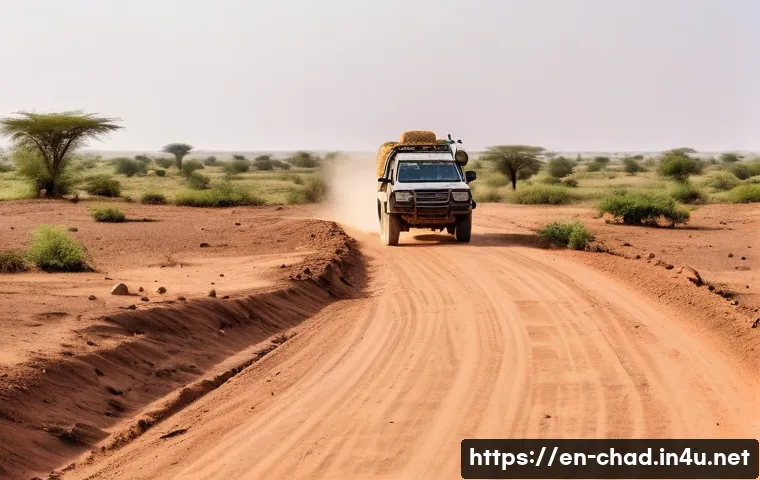
I’ve driven on some truly pristine roads around the world, but Chad offers a different kind of thrill. While major arteries within N’Djamena are generally paved and in decent condition, venture outside the capital, and you’ll quickly encounter a world of unpaved, sandy, and sometimes rock-strewn tracks.
My first time driving beyond the city limits felt like an off-road expedition, even in a regular sedan. Potholes can be legendary in size, and during the rainy season, some routes become completely impassable.
This isn’t just a minor inconvenience; it genuinely impacts travel times and vehicle choice. I quickly learned that a high-clearance 4×4 isn’t just a luxury; it’s practically a necessity for exploring much of the country.
Always, and I mean always, check local conditions and recent rainfall reports before embarking on a long journey, especially to more remote areas.
Navigating Livestock and Local Hazards
Another unique aspect of driving here that truly caught me off guard initially was the sheer amount of livestock on the roads. Camels, goats, cows – you name it, they’re likely sharing the road with you.
It’s not uncommon to round a bend and find a herd of cattle leisurely crossing the asphalt. This requires an entirely different level of awareness and defensive driving.
My advice? Drive slowly, especially outside urban areas, and be prepared to stop suddenly. Night driving, in particular, becomes incredibly hazardous due to poor lighting, unlit vehicles, and animals.
I personally try to avoid driving after sunset whenever possible; the risks simply outweigh the rewards. Beyond animals, you’ll also encounter pedestrians, cyclists, and motorbikes, often carrying incredible loads, all sharing the same limited road space.
It’s a vibrant, chaotic, and sometimes bewildering dance that demands your full attention.
Engaging with Authorities: Police Checkpoints and Protocol
What to Expect at Checkpoints
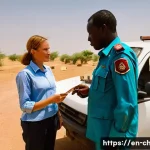
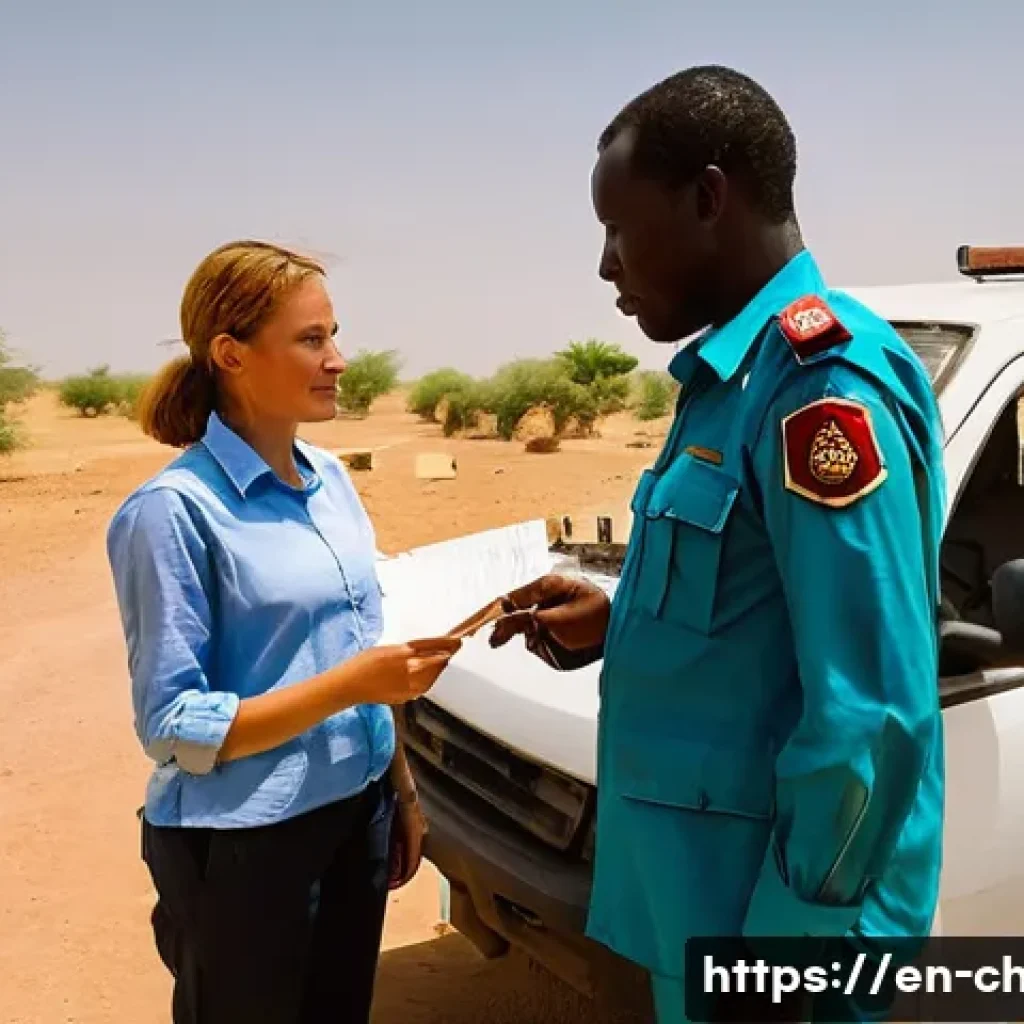
Police and gendarmerie checkpoints are a common sight across Chad, both within cities and, particularly, along major routes connecting towns. My initial encounters were a mix of nervousness and curiosity.
It’s easy to feel a bit apprehensive when armed officers wave you over, but I quickly learned that most stops are routine. They’re primarily for vehicle inspections, checking documents, and sometimes just general security.
When approaching a checkpoint, slow down, turn on your interior lights if it’s dark, and be prepared to stop. Have your driver’s license, IDP, vehicle registration, and proof of insurance readily accessible.
Being polite, calm, and cooperative goes a long way. A friendly “Bonjour!” and a smile can really set a positive tone. I’ve found that demonstrating respect for their role generally leads to a smoother, quicker interaction.
Handling Requests and Staying Respectful
Sometimes, officers might ask additional questions, or even, on rare occasions, for a “gift” or a small amount of money. This can be an uncomfortable situation for any traveler.
My personal approach is to politely and firmly state that I am a visitor and am happy to comply with all legal requirements but am not able to offer anything beyond that.
Politely asking for clarification on the specific regulation you might be violating (if they suggest one) can also be effective. The key is to remain respectful and avoid any confrontational behavior.
If you feel genuinely uncomfortable or suspect a serious issue, try to remember the officer’s badge number or checkpoint location. However, in the vast majority of my experiences, simple document checks and a courteous demeanor were all that was required.
It’s important to understand that these checkpoints are often part of the national security effort and a regular part of life for local drivers too.
The Unwritten Rules: Mastering Chadian Driving Culture
Communication is Key: Horns and Hand Signals
Driving in Chad is a sensory experience, and one of the most prominent features is the constant symphony of car horns. Unlike in many Western countries where a horn often signals anger or immediate danger, here, it’s a primary form of communication.
A quick tap might mean “I’m passing you,” “I’m here,” or “hello.” A longer blast might indicate a more urgent warning, but it’s rarely aggressive in the way it might be perceived elsewhere.
I remember being initially startled by the frequent honking, thinking I was constantly doing something wrong! But after a few days, I started to understand the nuanced language of the horn.
Similarly, hand signals are prevalent. A driver might wave you forward, signal “thank you,” or alert you to a hazard ahead. Paying attention to these unspoken cues is crucial for blending in and anticipating the actions of other drivers.
It’s like learning a new dance where everyone communicates through subtle movements and sounds.
The Art of the Overtake and Road Sharing
Overtaking on Chadian roads, especially on narrower, unpaved stretches, requires a particular blend of confidence and caution. There aren’t always clear lines or dedicated passing lanes.
Often, it involves a bit of a leap of faith, careful judgment of oncoming traffic (or lack thereof), and a liberal use of the horn to signal your intentions.
Don’t be surprised if vehicles overtake on blind corners or in seemingly impossible situations. My advice is to maintain a defensive driving posture and assume that other drivers might make unexpected moves.
Road sharing also extends to the entire width of the road – you’ll see vehicles swerving to avoid potholes, or even driving on the shoulder to let others pass.
It’s less about strict lane discipline and more about a fluid, dynamic negotiation of space. Always give way to larger vehicles, and remember that pedestrians often have the right of way, even if they don’t seem to actively assert it.
Essential Pre-Trip Checks and Vehicle Preparedness
Stocking Your Road Trip Survival Kit
Before you even think about setting off on a drive in Chad, especially if you’re venturing outside N’Djamena, a thorough vehicle check and a well-stocked survival kit are non-negotiable.
I’ve learned this the hard way on various trips, where a minor issue turned into a major inconvenience simply because I wasn’t adequately prepared. Beyond the usual spare tire, jack, and lug wrench, think about carrying extra fuel in jerry cans, especially if you’re heading to remote areas where petrol stations are sparse.
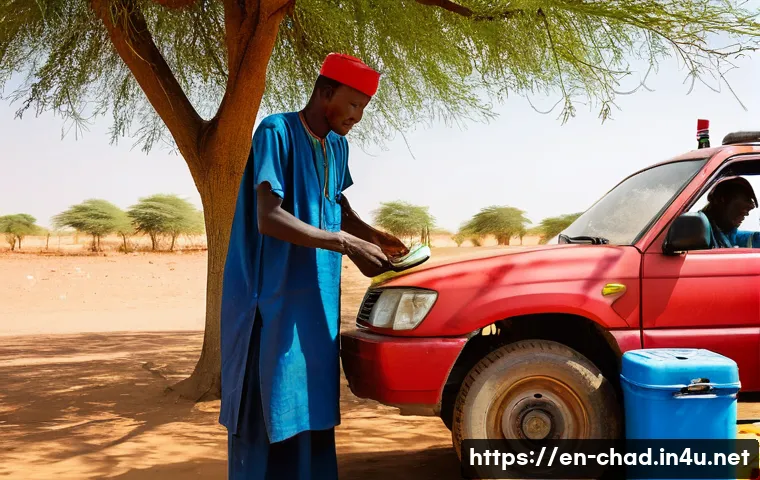
Water – and lots of it – for both you and your vehicle is absolutely critical. A basic toolkit, including pliers, screwdrivers, and a roll of electrical tape, can be a lifesaver for minor repairs.
Don’t forget a first-aid kit, a powerful flashlight (or headlamp), and a fully charged satellite phone or reliable local SIM card with airtime for emergencies.
Trust me, being self-sufficient adds an immense layer of confidence and safety to your journey.
Vehicle Maintenance: Before You Go
Ensuring your vehicle is in tip-top shape before you start your Chadian adventure is paramount. This isn’t just about a quick oil check; it’s about a comprehensive inspection.
I always make sure the tires are in excellent condition, including the spare, and that they’re properly inflated for the terrain I expect to encounter.
Brakes need to be responsive and reliable. Check all fluid levels: oil, coolant, brake fluid, and windscreen washer fluid. A clean air filter is also crucial given the dusty conditions.
If you’re renting a vehicle, take the time to inspect it thoroughly for any existing damage, test all lights and indicators, and confirm that all necessary safety equipment (fire extinguisher, warning triangle) is present.
Document everything with photos before you leave the rental office. A well-maintained vehicle drastically reduces the chances of roadside breakdowns, allowing you to focus on the incredible landscapes unfolding before you.
Fueling Your Adventure: Petrol Stations and Payments
Finding Fuel in Urban and Rural Areas
One of the practicalities that often pops up for me when driving in a new country is how easy it is to find fuel. In Chad, particularly within N’Djamena and other larger towns, petrol stations are fairly common and easily identifiable.
You’ll find a mix of international brands and local operators. However, as soon as you venture into more rural or remote regions, the landscape changes dramatically.
Fuel stations become scarce, and sometimes, the only option is to purchase fuel from roadside vendors selling it in plastic jerry cans. I’ve relied on these informal sellers a few times, and while it gets the job done, it’s always wise to ensure the fuel looks clean and that you’re paying a fair local price.
Always try to fill up your tank whenever you see a proper petrol station, even if you’re only half-empty. It’s better to be safe than sorry, especially when mapping out routes to more isolated destinations.
Planning your fuel stops is a critical part of planning your journey in Chad.
Payment Methods and Local Currency
When it comes to paying for fuel, cash is king, especially outside the capital. While some larger stations in N’Djamena might accept credit or debit cards, it’s far from universal.
I always make sure to carry enough local currency, the Central African CFA franc (XAF), in smaller denominations. This not only makes transactions smoother but also helps avoid issues with stations potentially not having enough change for larger bills.
It’s a good practice to have a rough idea of the current fuel prices per liter to avoid being overcharged, though prices can fluctuate. Remember that a bit of local interaction, perhaps trying a few French phrases, can go a long way in making these transactions pleasant.
Never assume card payments will be an option, and always prioritize having cash on hand for all your roadside needs.
| Aspect of Driving | Key Tip for Chad | What to Expect |
|---|---|---|
| Required Documents | IDP + National License | Frequent checks; must have all papers ready. |
| Road Conditions | Varies greatly; mostly unpaved outside cities | Potholes, sand, rough tracks. 4×4 often recommended. |
| Traffic & Hazards | Livestock, pedestrians, unlit vehicles | High vigilance needed; avoid night driving. |
| Police Checkpoints | Common and routine | Be polite, cooperative, have documents accessible. |
| Fuel Availability | Scarce outside major towns | Fill up often; consider carrying extra fuel. |
| Payment for Fuel | Cash (XAF) is preferred | Few stations accept cards; carry small denominations. |
Staying Safe on the Road: Essential Practices
Defensive Driving and Awareness
Driving in Chad really hones your defensive driving skills, and it’s something I actively practice every single time I get behind the wheel here. The roads can be unpredictable, and the driving styles are certainly different from what you might be used to.
My philosophy is to assume the unexpected. This means constantly scanning ahead, checking your mirrors, and being prepared for sudden stops, swerving vehicles, or even animals appearing out of nowhere.
I always try to leave plenty of space between my vehicle and the one in front of me, giving myself ample reaction time. Speed limits, when they exist, are often more of a suggestion, so never rely solely on others to follow them.
It’s about being proactive, not reactive, and always prioritizing your safety and the safety of those around you. Being acutely aware of your surroundings, both on the road and on the verges, is your best defense against potential issues.
Security Considerations and Emergency Preparedness
Beyond the immediate driving hazards, it’s also important to be mindful of broader security considerations when planning your route. While many areas are generally safe for travelers, it’s always wise to consult your embassy’s travel advisories and local intelligence regarding specific regions.
I personally avoid driving alone after dark, especially on unlit rural roads, where the risk of both accidents and other security incidents can increase.
Always let someone know your travel plans, your estimated time of arrival, and your intended route, especially if you’re venturing off the main arteries.
A reliable GPS system with offline maps is invaluable, as mobile data coverage can be patchy. Furthermore, consider carrying a basic satellite phone or having access to a local emergency contact who understands your language.
These steps aren’t meant to instill fear, but rather to empower you with the knowledge and tools to have an incredibly safe and unforgettable road trip in this truly fascinating country.
Wrapping Things Up
And there you have it, fellow adventurers! Navigating the roads of Chad is undeniably an experience like no other. It challenges you, surprises you, and ultimately, rewards you with unforgettable memories and incredible stories. From the dusty tracks to the vibrant interactions at checkpoints, every mile is a lesson in adaptability and discovery. I truly hope that sharing my firsthand experiences and the practical tips I’ve gathered helps you feel more confident and prepared for your own Chadian driving adventure. It’s a journey that goes beyond just getting from point A to B; it’s about embracing the heart of a country, one dusty road at a time.
Useful Information to Know
1. Choosing Your Ride Wisely: From my own adventures, I can’t stress enough how much a robust 4×4 vehicle can transform your experience, especially if you plan to explore beyond N’Djamena. While a sedan might get you around the capital, the true magic (and challenge!) of Chad’s diverse landscapes really calls for something with higher clearance and four-wheel drive. It makes those bumpy, unpaved paths less daunting and truly opens up possibilities for remote discoveries. Investing in the right vehicle choice upfront will save you countless potential headaches and missed opportunities down the road.
2. Your Essential Roadside Companion Kit: Before I set off on any extended drive, I always meticulously pack what I affectionately call my “Chadian Road Trip Survival Kit.” Beyond the obvious spare tire and jack, I always make sure to have at least two jerry cans of extra fuel, an abundance of bottled water (for both drinking and radiator top-ups!), and a well-stocked first-aid kit. A basic toolkit, a powerful flashlight, and a fully charged satellite phone or a local SIM with good credit are also non-negotiables. Trust me, the peace of mind knowing you’re self-sufficient can make all the difference when you’re miles from the nearest town.
3. Deciphering Local Roadside Etiquette: One of the most fascinating aspects I quickly learned was the rich, unspoken language of the road. The car horn, for instance, is far more than just a warning device; it’s a nuanced communication tool. A quick tap often signifies “I’m passing” or “hello,” while a series of blasts might indicate a more serious alert. Similarly, hand signals from other drivers can provide crucial information about road conditions ahead. Paying close attention to these local customs not only enhances your safety but also allows you to blend in and navigate the flow of traffic more smoothly, like a true local.
4. Prioritizing Proactive Security Measures: While the vast majority of interactions are friendly and welcoming, it’s always wise to adopt a proactive approach to your personal security. I make it a habit to inform someone of my travel plans, including my route and estimated arrival time, especially when heading into more remote areas. Checking current travel advisories from your embassy before and during your trip is also a smart move. And whenever possible, avoid driving after dark outside major urban centers. These aren’t meant to cause alarm, but rather to empower you to make informed decisions and ensure a secure and enjoyable journey through this incredible country.
5. Embracing Patience and Flexibility: If there’s one overarching piece of advice I could give anyone driving in Chad, it would be to cultivate an ample supply of patience and flexibility. Things rarely go exactly as planned, and unexpected delays – be it a herd of goats on the road, a particularly deep pothole, or a longer-than-expected stop at a checkpoint – are simply part of the adventure. Instead of letting them frustrate you, try to see them as opportunities to slow down, observe, and truly soak in the unique rhythm of Chadian life. It’s this ability to adapt and go with the flow that will turn potential challenges into memorable anecdotes.
Key Takeaways
Alright, let’s condense everything into the absolute essentials for your Chadian road trip, based on what I’ve learned firsthand. First and foremost, secure your International Driving Permit (IDP) before you even think about packing. It’s your legal translation and absolutely indispensable. Alongside that, your national driver’s license and all vehicle registration documents should be kept readily accessible – you’ll need them for the frequent police checkpoints. My rule of thumb is always to have them organized in a waterproof pouch, ready to present with a polite smile.
When it comes to the roads themselves, expect the unexpected. This means embracing defensive driving at all times. Livestock on the road, unlit vehicles, and varying road conditions are the norm, not the exception. Seriously, try to avoid driving after sunset whenever possible; the risks escalate dramatically in the dark. I can’t emphasize enough how much this single piece of advice has contributed to my own sense of safety and calm while traversing these routes. Your heightened awareness is your best safety net out here.
Regarding your vehicle, pre-trip maintenance is non-negotiable, whether it’s your own or a rental. I always do a thorough check of tires (including the spare!), fluid levels, and brakes. And for those longer journeys, a comprehensive emergency kit is your best friend. Think extra fuel, ample water, a basic toolkit, and reliable communication devices. You’ll thank yourself later for being overly prepared rather than finding yourself stranded and wishing you’d thought ahead.
Finally, remember that cash is king for fuel and most roadside transactions, especially outside the capital. Always carry enough local currency (XAF) in smaller denominations to ensure smooth exchanges. And when interacting with authorities at checkpoints, be respectful, cooperative, and patient. A friendly demeanor and clear presentation of your documents usually make for a swift passage. Driving in Chad is a vibrant, engaging experience, and with these key considerations firmly in mind, you’re well on your way to a truly incredible and safe adventure!
Frequently Asked Questions (FAQ) 📖
Q: Do I really need an International Driving Permit (IDP) to hit the road in Chad, or can my home country’s license do the trick?
A: Oh, my friend, this is one of those questions where the answer is a resounding YES! I’ve seen too many travelers get caught out thinking their regular license will suffice.
From my own experiences navigating new countries, and especially in a place like Chad, an International Driving Permit isn’t just a good idea, it’s an absolute necessity.
Think of your IDP as a universally recognized translation of your existing driver’s license. It’s what local authorities, like the police at those occasional checkpoints we mentioned, will look for to quickly understand your driving credentials.
Trying to explain your license in a language barrier situation? Not ideal, trust me! Getting one before you leave is usually a straightforward process through your national automobile association, and it truly saves a world of potential headaches – and even fines – once you’re on Chadian soil.
It’s a small step that makes a monumental difference in ensuring your adventure stays smooth and hassle-free.
Q: What’s the deal with police checkpoints in Chad? Should I be worried, and how do I handle them like a pro?
A: This is a fantastic question, and one I get asked a lot! Based on my travels through Chad, police checkpoints are definitely a reality, but “worried” isn’t the emotion I’d encourage.
“Prepared” is the keyword here. Think of them as routine stops designed for security and document checks. The best way to handle them?
First off, always slow down as you approach – no sudden braking or swerving. Pull over calmly when directed. When an officer approaches, always be polite, smile, and offer a friendly greeting like “Bonjour.” Have your documents – your passport, vehicle registration (if it’s a rental, make sure you have the original rental agreement!), and, most importantly, your International Driving Permit – readily accessible.
I usually keep mine in a clear folder right on the passenger seat. Present them when asked, without hesitation. Maintain eye contact, be respectful, and answer questions clearly and concisely.
There might be a bit of a language barrier, so patience is key. I’ve found that a calm demeanor and a respectful attitude go a long, long way in ensuring these interactions are brief and positive.
Sometimes, they might just wave you through after a quick glance, other times they’ll scrutinize everything. Just roll with it, stay calm, and remember you’re a guest in their country.
Q: Driving in a new country can be an eye-opener! What are some of the unique local driving habits or road conditions in Chad that I should be aware of before I get behind the wheel?
A: Oh, you’re hitting on one of my favorite topics! Driving in Chad is definitely an experience, and it’s unlike many places, which is part of its charm!
When I first started exploring, I quickly realized that anticipating the unexpected is your best friend. For starters, road conditions can vary wildly.
You’ll go from relatively smooth asphalt in cities to unpaved, sometimes sandy or rocky tracks in more remote areas. My advice? Always drive defensively and adjust your speed to whatever the road throws at you.
Don’t assume others will follow typical road rules you might be used to; local driving often involves a more fluid, intuitive flow. This means being extra vigilant for pedestrians, cyclists, and livestock – yes, even camels!
– who might unexpectedly cross the road. Horn use is common, not necessarily aggressively, but as a way to signal presence or intention, so don’t be startled by it.
Night driving is something I personally try to avoid outside of N’Djamena due to poor visibility and the increased chance of encountering unlit vehicles or obstacles.
And remember, during the rainy season, some roads can become impassable, so always check local conditions if you’re traveling during that time. It’s a dance, really – a beautiful, slightly chaotic dance that rewards awareness and a good sense of humor!