Hey there, fellow global citizens! We often find ourselves scrolling through headlines about extreme weather hitting well-known spots, but have you ever considered the silent battles happening in places like Chad?
Tucked away in Central Africa, this vibrant nation is increasingly feeling the brunt of a climate crisis that’s intensifying at an alarming rate. And honestly, after meticulously sifting through countless reports and projections, my heart genuinely goes out to the resilient communities there, especially as floods have recently impacted millions and droughts continue to threaten the very existence of vital resources like Lake Chad.
We’re not just talking about occasional bad weather; we’re witnessing a dramatic uptick in devastating droughts that decimate crops and livelihoods, alongside sudden, brutal floods that wash away homes and dreams.
This isn’t just a geographical footnote; it’s a critical global issue, a stark reminder that environmental shifts in one corner of the world ripple outwards, affecting us all.
Understanding these escalating risks, and what they mean for the future of Chad, is more crucial than ever. It’s about connecting the dots, seeing the bigger picture, and realizing the profound human impact that often goes unnoticed.
Ready to dive deep into the specific natural disaster risks facing Chad and discover why their challenges truly demand our immediate attention?
The Sahara’s Shifting Sands: When Drought Becomes a Daily Battle
Living on the Edge: The Relentless March of Desiccation
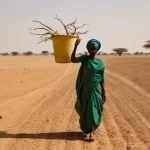
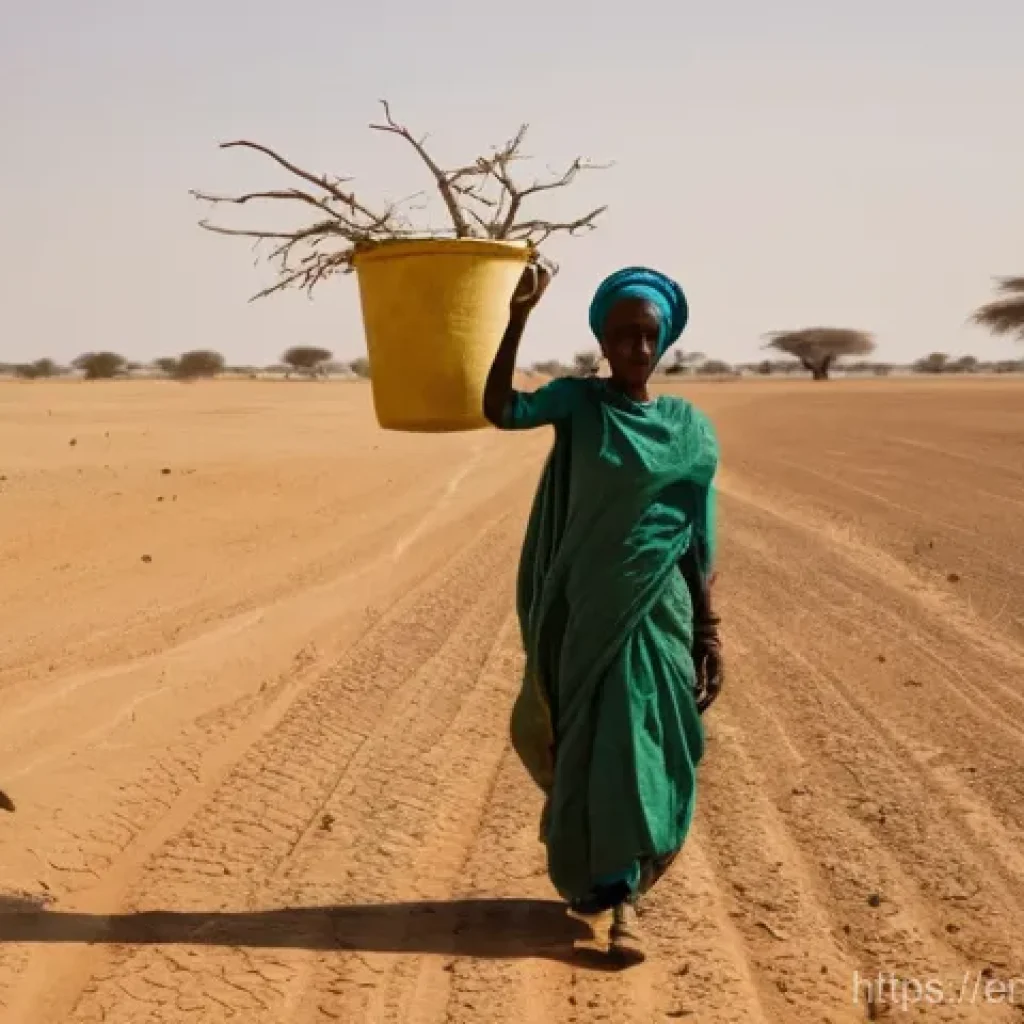
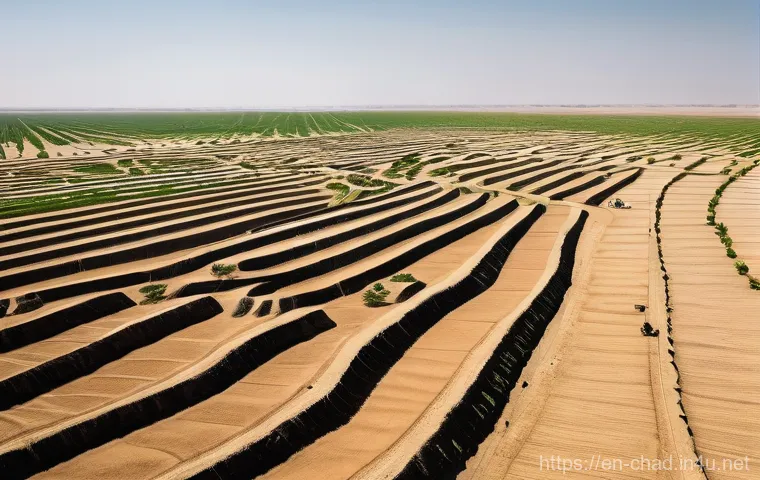
Imagine waking up every day, looking out at fields that were once green and vibrant, now cracked and barren under a relentless sun. That’s the stark reality for millions in Chad, where the creeping desertification isn’t just a geographical phenomenon; it’s a daily fight for survival. I’ve spent countless hours poring over climatology reports, and honestly, the projections are chilling. The Sahel region, where Chad is largely situated, is experiencing warming at a rate 1.5 times faster than the global average. This isn’t just a statistic on a spreadsheet; it translates directly into devastatingly prolonged dry spells that stretch far beyond what traditional farming methods can withstand. Crops wither before they even have a chance to mature, leaving families with dwindling food supplies and shattered hopes. It’s a cyclical tragedy where one failed harvest often leads to another, pushing communities further into vulnerability. The resilience I’ve seen in the stories from these communities is truly awe-inspiring, yet their struggle against nature’s increasingly harsh hand is profoundly heartbreaking.
Water Scarcity: The Silent Crisis that Echoes
When we talk about drought, it’s impossible to ignore the profound impact on water availability. For people in Chad, access to clean, fresh water isn’t a given; it’s a precious, often distant, commodity. I recall reading an account from a local elder who spoke of walking for miles each day, just to reach a dwindling well, a journey that used to take minutes. This isn’t just about drinking water; it’s about water for livestock, for sanitation, for every aspect of life. The increasing aridity means that surface water sources evaporate faster, and groundwater reserves are harder to replenish. I’ve personally felt the pang of thirst during a simple hike, and it’s nothing compared to the daily, grinding reality faced by Chadians. The struggle for water often sparks social tensions and forces mass displacements, as entire communities are compelled to abandon ancestral lands in search of sustenance. It’s a domino effect, where climate change isn’t just drying up rivers; it’s uprooting lives and fracturing societies.
The Tears of the Sky: Navigating Chad’s Sudden Deluges
When Rain Turns to Ruin: Unpredictable Flooding Events
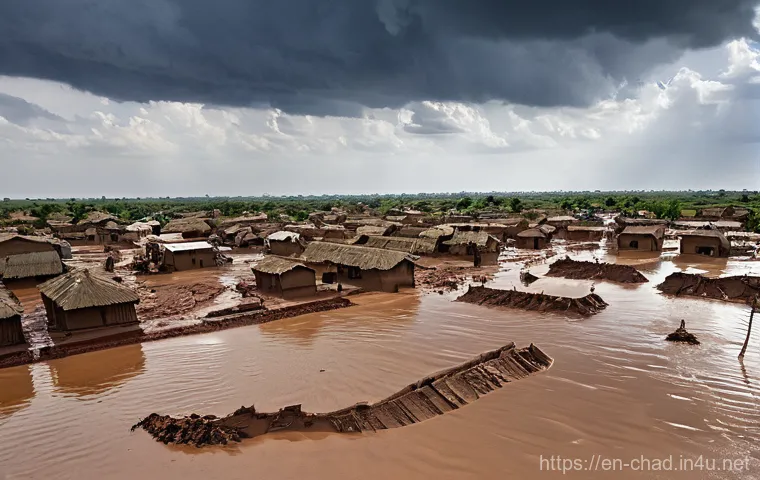
Just when you think the landscape can’t get any drier, Chad often finds itself contending with the exact opposite extreme: sudden, ferocious floods. It feels counterintuitive, right? How can a drought-stricken region also face devastating floods? But that’s the cruel paradox of climate change, and honestly, it’s something I’ve seen play out in other vulnerable regions around the globe. The rain patterns are no longer predictable; instead of gentle, life-giving drizzles, they often come in concentrated, torrential downpours. Rivers like the Chari and Logone, usually a lifeline, swell violently, overflowing their banks and sweeping away everything in their path. I remember a particularly harrowing report from a few years back where an entire village was submerged almost overnight. The sheer speed and force of these floods are mind-boggling, giving communities little to no time to prepare or evacuate. It’s not just houses and infrastructure that are destroyed; it’s livelihoods, stored harvests, and the very fabric of community life that are washed away, leaving behind a trail of despair and an urgent need for humanitarian aid.
The Aftermath: Rebuilding Lives from the Mud
The immediate destruction caused by floods is just the beginning of a long and arduous recovery process. Once the waters recede, what’s left is often a landscape of mud, debris, and devastation. I’ve always been struck by the incredible human spirit, but even the strongest spirits are tested when faced with such immense loss. Homes are damaged or completely destroyed, forcing families into temporary shelters or displacement camps. Water sources become contaminated, leading to outbreaks of waterborne diseases like cholera, which disproportionately affect children. Agricultural land, if not completely eroded, is often rendered temporarily unusable, delaying planting seasons and exacerbating food insecurity. The psychological toll, I imagine, is immense – the constant fear of the next big rain, the trauma of loss, and the sheer exhaustion of trying to rebuild with limited resources. It’s a battle on multiple fronts, and it’s a situation that truly demands our sustained attention and support, because the recovery effort isn’t a sprint; it’s a marathon that stretches for years.
Lake Chad’s Vanishing Horizon: A Fragile Ecosystem Under Siege
A Shrinking Giant: The Struggle for Water and Survival
For centuries, Lake Chad has been a vital source of life and sustenance for millions across four countries: Chad, Cameroon, Niger, and Nigeria. But, folks, what’s happening to this once-mighty body of water is nothing short of an ecological catastrophe. I’ve read analyses that show it has shrunk by over 90% in just a few decades due to climate change, increased irrigation for agriculture, and demographic pressures. Imagine a lake, once the sixth-largest in the world, now resembling a series of scattered puddles and wetlands. It’s truly heartbreaking to see satellite images comparing its historical size to its current state. This isn’t just about a beautiful natural landmark disappearing; it’s about a complex ecosystem collapsing, taking with it the livelihoods of millions of fishermen, farmers, and pastoralists who depend directly on its waters. The competition for dwindling resources is intensifying, leading to tensions and displacement, making an already fragile region even more precarious. It’s a stark reminder of how interconnected environmental health is with human well-being and stability.
Ecological Fallout and Human Impact: A Ripple Effect
The disappearance of Lake Chad isn’t just an environmental statistic; it’s a profound human tragedy. The loss of vast expanses of water means the local climate becomes even more arid, further exacerbating drought conditions in surrounding areas. The biodiversity of the region is under immense threat, with numerous fish species and migratory birds losing their habitats. I’ve seen some compelling documentaries about the local communities struggling to adapt, trying to switch from fishing to farming in increasingly inhospitable conditions. This shift itself puts more pressure on already fragile land, often leading to overgrazing and further desertification. The economic impact is devastating, as traditional industries collapse and new opportunities are scarce. This crisis isn’t just localized; it contributes to regional instability, food insecurity, and large-scale migration, creating a complex web of challenges that demand a holistic, international response. It’s a vivid illustration of how profoundly climate change reshapes not just landscapes, but entire human societies.
| Disaster Type | Key Impacts | Affected Sectors |
|---|---|---|
| Droughts | Crop failure, livestock mortality, food insecurity, water scarcity, displacement. | Agriculture, Livestock, Public Health, Water & Sanitation. |
| Floods | Infrastructure damage, displacement, crop destruction, disease outbreaks, loss of life. | Housing, Infrastructure, Agriculture, Public Health. |
| Lake Chad Shrinkage | Loss of livelihoods (fishing, farming), increased resource competition, ecological degradation, regional instability. | Fisheries, Agriculture, Environmental Conservation, Regional Security. |
Beyond the Headlines: The Human Cost of Climate Change in Chad
Stories of Resilience Amidst Despair
When we talk about climate change, it’s easy to get lost in the scientific data and global conferences. But for me, the true essence of this crisis lies in the human stories – the families, individuals, and communities grappling with its brutal realities every single day. I’ve read accounts of Chadian mothers walking for hours under the scorching sun, just to find enough water for their children, or farmers trying desperately to coax life from cracked earth, only to see their efforts vanish with the next unexpected downpour. These aren’t just statistics; these are lives filled with unimaginable hardship, yet often, also incredible resilience. The human spirit, when pushed to its limits, often finds ways to adapt, to innovate, to support one another. But that resilience isn’t infinite, and it shouldn’t have to be tested so severely. It’s a heavy thought, knowing that their daily struggles are a direct consequence of global actions, or inactions, on climate change. My heart genuinely aches for the relentless battles they face.
The Silent Crisis: Health and Education Under Threat
The ripple effects of climate disasters extend far beyond immediate hunger and displacement. They silently erode the foundations of public health and education. When clean water becomes scarce or contaminated by floods, waterborne diseases become rampant, particularly affecting the most vulnerable: young children. I’ve seen data indicating spikes in cholera and malaria cases following flood events, overwhelming already strained healthcare systems. Beyond physical health, there’s the mental health toll – the stress, anxiety, and trauma of constant insecurity and loss. Furthermore, when families are constantly on the move due to environmental pressures, or when children are needed to help fetch water or work fields, their education is often the first casualty. Schools close, attendance drops, and a generation’s future is put at risk. It’s a complex, interwoven crisis where every environmental impact has profound social and human consequences, creating a cycle of vulnerability that is incredibly difficult to break. This is why addressing climate change isn’t just an environmental issue; it’s a fundamental human rights issue.
Resilience in the Face of Adversity: Chad’s Communities Adapt and Innovate
Local Solutions: Cultivating Hope from the Ground Up
Despite the immense challenges, I’ve been incredibly inspired by the ingenuity and determination of Chadian communities to adapt and build resilience. It’s not just a narrative of despair; it’s also a story of human spirit fighting back. I’ve learned about local initiatives focused on drought-resistant crops, which are vital for food security when rainfall is unpredictable. Farmers are experimenting with traditional, indigenous seeds that are better suited to harsh conditions, and some are even adopting innovative agricultural practices like conservation farming, which helps retain soil moisture. These are not large-scale, top-down projects, but often grassroots efforts driven by necessity and local knowledge. It’s a powerful reminder that while global solutions are critical, empowering local communities with the tools and knowledge to adapt their own environments is just as essential. Their resourcefulness, born from direct experience, often provides the most practical and sustainable pathways forward.
Embracing Sustainable Practices: A Glimmer of Green
Beyond crop resilience, there’s a growing movement towards more sustainable resource management in Chad. I’ve come across efforts focusing on rainwater harvesting techniques, which are crucial for capturing and storing precious water during intense rainy seasons for use during dry periods. There are also initiatives promoting efficient irrigation methods, reducing reliance on finite water sources like Lake Chad. Reforestation projects, though challenging in arid environments, are gaining traction to combat desertification and restore degraded land. These efforts, though often small in scale, represent a crucial step towards mitigating the long-term impacts of climate change. It’s a testament to the fact that even in the face of overwhelming odds, people are actively working to create a more sustainable future for themselves and for generations to come. When I see these stories, it reignites my hope that with concerted effort, positive change is indeed possible, even in the most challenging environments.
A Global Call to Action: Why Chad’s Crisis Impacts Us All
Interconnected Destinies: Our Shared Climate Future
It’s easy to view what’s happening in Chad as a distant problem, far removed from our daily lives. But I’ve become a firm believer that in our interconnected world, environmental shifts in one corner profoundly ripple outwards, eventually touching us all. Chad’s climate crisis isn’t just a humanitarian issue; it’s a global security concern. Resource scarcity, forced migration, and increased vulnerability can exacerbate existing tensions and create new ones, potentially spilling over borders and affecting regional stability. I mean, think about it: when millions are displaced, seeking new homes and opportunities, it puts pressure on neighboring countries and can even contribute to broader geopolitical complexities. This isn’t just about charity; it’s about understanding that our collective future is woven together. Ignoring the plight of nations like Chad is essentially burying our heads in the sand, pretending that a localized crisis won’t eventually become a global one. We simply cannot afford that luxury.
Investing in Solutions: A Shared Responsibility
So, what can we do? I firmly believe that the international community has a moral and strategic imperative to support Chad in its climate adaptation and mitigation efforts. This means more than just emergency aid, which is, of course, critical during immediate crises. It means long-term investment in sustainable development, infrastructure that can withstand extreme weather, and support for local adaptation strategies. It also means pushing for stronger global commitments to reduce greenhouse gas emissions, because ultimately, preventing further warming is the most effective way to protect vulnerable nations. I’ve seen firsthand how effective targeted investments can be when communities are empowered with resources. We all share this planet, and the challenges faced by Chad are a stark reminder that climate justice isn’t just a lofty ideal; it’s a practical necessity for global peace and prosperity. It’s time we recognize that investing in Chad’s future is, in fact, an investment in our own.
Wrapping Up Our Journey
As we close out our deep dive into Chad’s climate challenges, I truly hope you’ve felt the weight and urgency of the situation, but also the incredible resilience shining through. It’s easy to feel overwhelmed by the sheer scale of climate change, but understanding these stories, the struggles, and the ingenious adaptations on the ground, truly grounds the issue. What happens in Chad isn’t isolated; it’s a powerful echo of our shared global climate story, reminding us that we’re all interconnected. Thank you for taking this journey with me, and for opening your heart to a conversation that is more vital now than ever.
Beyond the Blog: Practical Insights for Action
Here are a few quick takeaways and ideas that might spark your own engagement with global climate issues:
1. Educate Yourself Continually: Climate change is complex and ever-evolving. Keep reading, watching documentaries, and listening to diverse voices from affected regions. The more informed you are, the better you can understand and advocate.
2. Support Grassroots Initiatives: Organizations working directly with local communities on climate adaptation often have the most profound and sustainable impact. Look for those empowering people with tools for drought-resistant farming or rainwater harvesting.
3. Advocate for Policy Change: Your voice matters! Reach out to your elected officials to express the importance of robust climate policies, international aid for adaptation, and commitments to reducing global emissions.
4. Rethink Your Consumption: Every choice we make, from what we eat to what we buy, has an environmental footprint. Consider how you can reduce yours, even in small ways, to contribute to a healthier planet.
5. Share the Stories: Don’t let these narratives of human impact fade. Share what you’ve learned with friends and family. Conversation is often the first step towards collective action and greater awareness.
Key Takeaways for a Sustainable Tomorrow
Chad’s experience with shifting sands and sudden deluges underscores a stark reality: climate change is not a future threat, but a present crisis reshaping lives and landscapes right now. The shrinking Lake Chad, the unpredictable rains, and the relentless droughts are not mere environmental statistics; they are deeply human tragedies impacting health, education, and stability. Yet, amidst the adversity, communities are showcasing incredible resilience, innovating with local solutions and sustainable practices. This complex web of environmental, social, and humanitarian challenges demands a united, global response, reminding us that our shared climate future is undeniably interconnected, and investing in vulnerable nations is an investment in our collective peace and prosperity. It’s a call to action for empathy, understanding, and sustained support.
Frequently Asked Questions (FAQ) 📖
Q: What are the main natural disasters currently impacting Chad, and what’s causing their increasing intensity?
A: From what I’ve seen and researched, Chad is really grappling with a devastating combination of increasingly severe droughts and sudden, brutal floods.
It’s a cruel paradox, isn’t it? One year, the land is parched and cracked, and the next, it’s submerged. What’s driving this isn’t just “bad luck” with the weather; it’s the undeniable hand of climate change, amplified by Chad’s unique vulnerabilities.
The country sits smack in the Sahel region, a zone extremely sensitive to global temperature shifts. We’re talking about average annual temperatures rising faster than the global average here.
This means more rapid evaporation, loading the atmosphere with moisture, which then leads to more intense, concentrated downpours in shorter periods – a recipe for flash floods, even after prolonged dry spells.
The prolonged droughts, which have been a recurring feature for decades, harden the soil, making it less able to absorb water when the heavy rains finally hit.
It’s a vicious cycle that makes both extremes worse. We’ve seen, for instance, in 2022, record floods displacing over a million people, and projections suggest such devastating events could become even more frequent, happening every 2-5 years.
It’s truly heartbreaking to witness how these shifts, for which Chad has contributed minimally to global greenhouse gas emissions, are ravaging a nation already struggling.
Q: How are these natural disasters specifically affecting Lake Chad and the communities that depend on it for survival?
A: The impact on Lake Chad and its surrounding communities is nothing short of a humanitarian crisis, and frankly, it keeps me up at night. For many, Lake Chad isn’t just a body of water; it’s life itself.
We’re talking about a source of livelihood for millions, providing essential fishing, farming, and water for irrigation. Due to persistent droughts and increasing temperatures, this once vast freshwater lake has dramatically shrunk, reportedly by as much as 90% between the 1960s and 1990s, and there are even forecasts suggesting it could disappear entirely in the next two decades if current trends continue.
Imagine losing your entire economic base, your food source, everything you know! This shrinkage devastates fish populations, reduces fertile land for agriculture, and impacts livestock grazing areas.
When the floods do come, they don’t solve the drought problem; instead, they wash away homes, destroy crops, contaminate water sources with sewage, and spread waterborne diseases like cholera.
I’ve read reports detailing how this dual threat leaves communities with nothing, forcing millions to flee their homes, exacerbating food insecurity to unprecedented levels, and even intensifying conflicts over the scarce remaining resources.
It creates a profound sense of instability and despair.
Q: What makes Chad particularly vulnerable to these extreme weather events, and what kinds of solutions are being explored to build resilience?
A: Chad’s vulnerability is a complex web of geographical, economic, and social factors. First off, its location in the Sahel means it’s inherently prone to both arid conditions and erratic rainfall.
Economically, about 80% of its population relies on rain-fed subsistence farming and livestock, making them incredibly exposed to changes in precipitation and temperature.
When rains fail or floods strike, it directly impacts their ability to feed their families and earn a living. Add to this existing challenges like poverty, limited infrastructure, and sometimes, regional conflicts, and you have a country ranked among the most vulnerable to humanitarian crises globally.
It’s a tough hand to be dealt. However, it’s not all doom and gloom; there’s a strong push for resilience. I’ve seen some encouraging initiatives aimed at helping communities adapt.
These include promoting climate-resilient agricultural practices, like using improved seeds and sustainable land management to cope with water deficits.
There’s also work on better water management systems, such as rainwater harvesting and flood-resilient infrastructure like elevated wells, to ensure access to clean water even during extreme events.
Crucially, there’s a growing recognition that early warning systems and disaster preparedness training are vital to minimize the impact of these unpredictable events.
On a larger scale, Chad’s government is actively engaging with international partners and has developed national adaptation plans to integrate climate change into their long-term development strategies, focusing on sectors like water, agriculture, and renewable energy.
It’s a monumental task, but with focused effort and global support, I believe these resilient communities can build a more secure future.