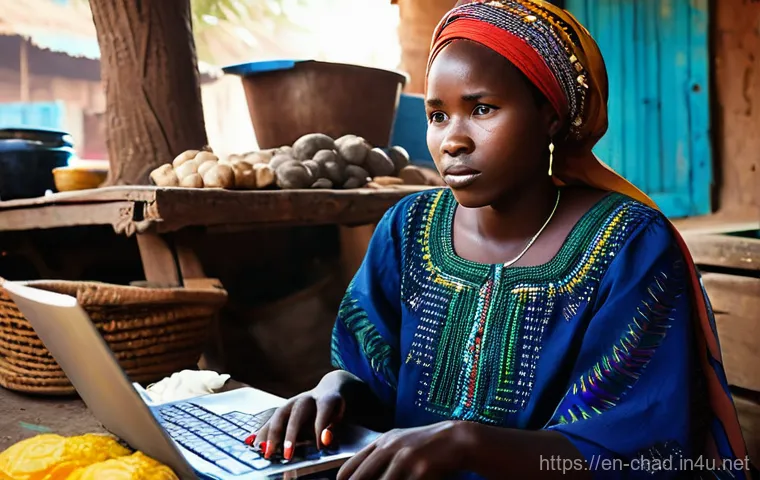
Chad Internet

Chad’s media environment and internet freedom are significantly restricted. The constitution theoretically guarantees freedom of expression and the press, but authorities routinely use threats, legal prosecutions, and censorship to curb critical reporting. Here are some key aspects: * **Legal Restrictions and Censorship** Chad’s High Council of Communication (HCC), considered government-influenced, regulates media and has banned reporting on activities deemed harmful to national unity. While a 2010 media law abolished jail time for defamation, judges have continued to impose prison sentences for such offenses. The law also includes prison sentences and fines for inciting hatred or “condoning violence”. There is no law establishing the right to access official information, and obtaining permission to establish newspapers or radio licenses is difficult and costly. * **Internet and Social Media Blocks** The Chadian regime frequently shuts down telecommunications, particularly the internet, during demonstrations or expressions of public discontent. Social media and messaging platforms like WhatsApp, Facebook Messenger, and Viber have been repeatedly blocked, often linked to tense political situations, constitutional changes, or elections. These blocks can last for extended periods, such as an eight-month blackout in 2016 and a 16-month blockage from March 2018 to July 2019. These actions are often justified by the government as necessary for national security or to control the spread of “messages inciting hate”. * **Self-Censorship and Harassment of Journalists** Journalists face threats, harassment, and physical violence for their reporting, leading to a culture of self-censorship. Arrests, detentions, and imprisonment on charges like defamation are common. * **Low Internet Penetration and High Costs** Internet penetration in Chad remains low, with a significant portion of the population having limited access, primarily through mobile internet. The cost of digital communication is prohibitively high, and insufficient infrastructure and low bandwidth further hinder online services. These restrictions have a significant economic impact, especially on businesses relying on online services, forcing them to use costly VPNs or cease operations during shutdowns. The country ranked 109th out of 180 countries in the Reporters Without Borders (RSF) press freedom index in 2023.Chad’s Digital Iron Curtain: 7 Alarming Facts About Media Control
webmaster
Ever wonder what it’s like when your online world suddenly goes dark, or when the news you rely on seems ...