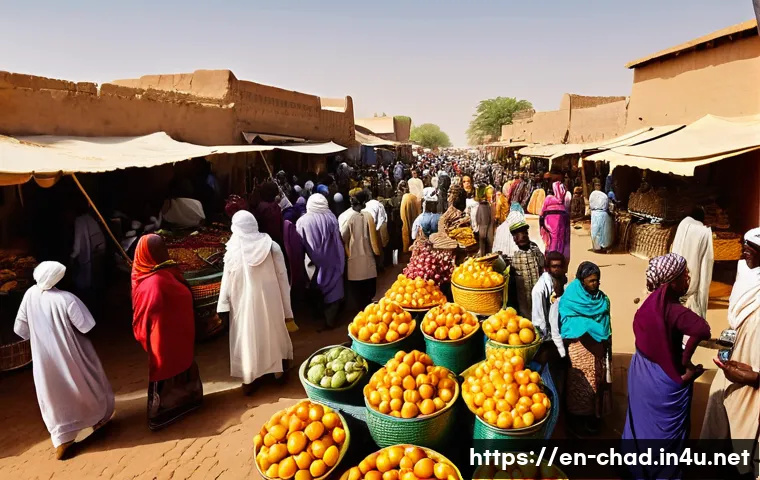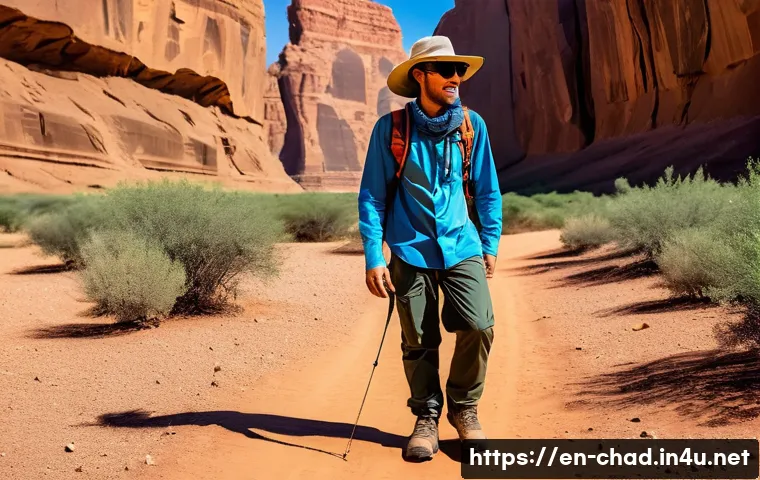
Traveling to Chad offers a unique adventure filled with rich culture, stunning landscapes, and unforgettable experiences. However, it’s essential to prepare carefully before your trip to navigate the local environment smoothly and stay safe.
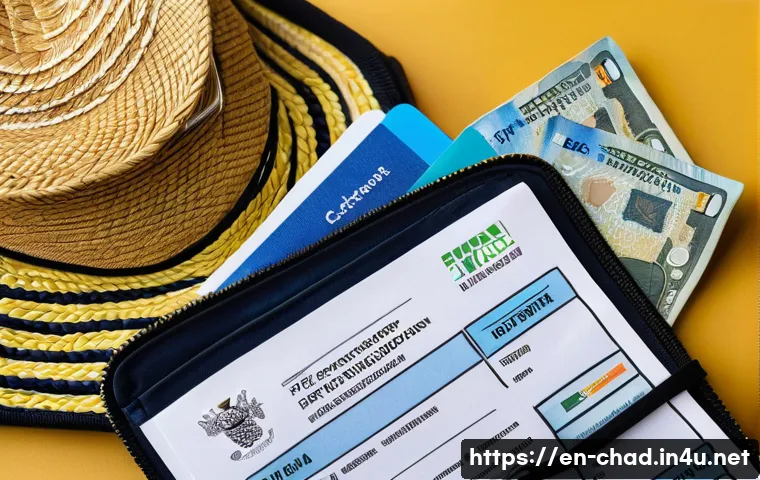
From health precautions to essential documents and gear, having the right items can make all the difference. Whether you’re exploring the Sahara desert or visiting bustling markets, being well-equipped ensures you can fully enjoy your journey without unexpected setbacks.
Let’s dive into the must-have essentials that will help you make the most of your visit to Chad! I’ll guide you through everything you need to know.
Essential Health and Safety Gear for Chad Adventures
Staying Ahead of Health Risks
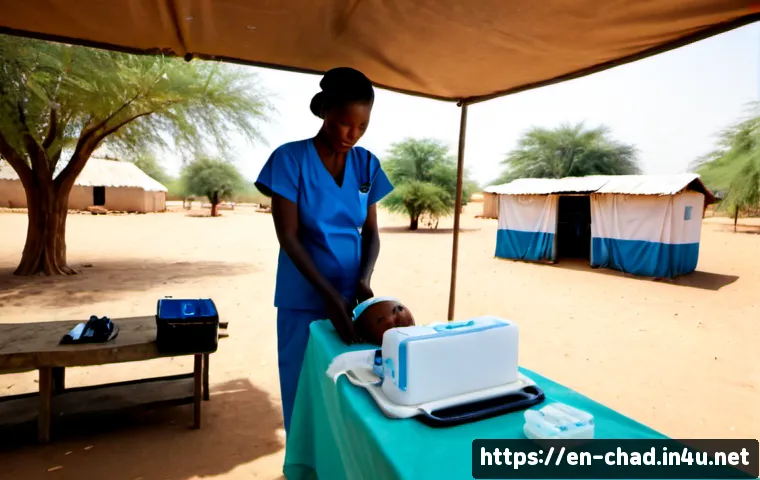
Traveling to Chad means dealing with unique health challenges, especially given the hot climate and the rural settings you’ll likely visit. One thing I learned the hard way was the importance of bringing a comprehensive first aid kit including supplies for minor cuts, insect bites, and stomach upsets.
Malaria is a genuine risk, so packing mosquito repellents with DEET and taking prophylactic medication as prescribed by your doctor is non-negotiable.
I found that having oral rehydration salts and electrolyte powders on hand helped immensely during hotter days when dehydration risk soared. Vaccinations such as yellow fever, typhoid, and hepatitis A should be up-to-date well before departure.
It’s not just about protection but being prepared to handle common illnesses swiftly to avoid ruining your trip.
Sun Protection and Hydration Strategies
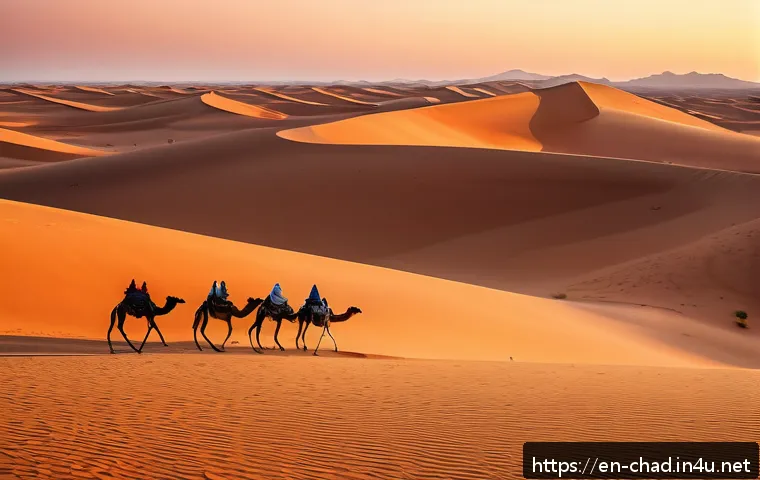
The sun in Chad can be brutal. I remember spending a day trekking near the Ennedi Plateau, and without proper sun protection, it felt like the heat was suffocating.
A wide-brimmed hat, UV-blocking sunglasses, and high SPF sunscreen are absolute essentials. Don’t skimp on sunscreen – a broad-spectrum SPF 50+ is best, and reapply frequently, especially if you sweat or wash your face.
Staying hydrated is equally crucial. Carrying a reliable water bottle with a built-in filter made a huge difference for me because tap water isn’t safe to drink.
I recommend bottles like LifeStraw or Grayl that filter out bacteria and protozoa. It’s better to drink small amounts often than to gulp down a lot infrequently, which can upset your stomach.
Protective Clothing and Footwear
Long sleeves and pants made of lightweight, breathable fabric can shield you from sunburn and insect bites. On my trip, I packed several moisture-wicking shirts that kept me comfortable during long hikes.
Also, a good pair of sturdy hiking boots is a must, especially if you plan to explore desert or rocky terrains. Sandals are fine for city strolls but don’t rely on them in wilderness areas.
I also took a lightweight scarf or bandana, which turned out to be incredibly versatile — for dust protection, sun shielding, or even as an impromptu towel.
Crucial Travel Documents and Money Management
Visa, Passport, and Entry Requirements
Before you even think about packing, make sure your passport is valid for at least six months beyond your planned return date. Chad requires most travelers to obtain a visa in advance, which involves submitting documents and sometimes proof of yellow fever vaccination.
I found it useful to keep both physical and digital copies of all my documents, including visa approval, vaccination certificates, and travel insurance.
Having these backups helped me breeze through airport security and border checks without stress. Also, registering your trip with your embassy can be a smart move for added security.
Handling Local Currency and Payments
The Central African CFA franc (XAF) is the official currency, and cash is king in most places. Credit cards are only accepted in some upscale hotels or larger cities like N’Djamena, so always carry enough cash for daily expenses.
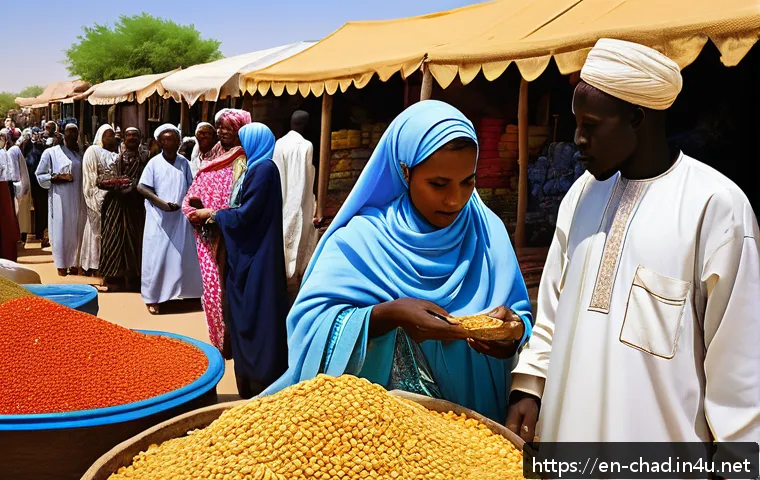
When I visited local markets or rural areas, I relied entirely on cash. ATMs are scarce outside the capital, so plan your withdrawals accordingly. Exchanging money at official banks or authorized bureaus is safer than street exchanges.
To keep your money safe, I used a money belt under my clothes and divided cash into different pockets to avoid losing everything at once.
Travel Insurance and Emergency Contacts
Travel insurance is more than just a formality in Chad. Given the limited medical facilities outside urban centers, having a policy that covers medical evacuation is vital.
I personally went with a plan that included emergency helicopter extraction and coverage for any hospital stays. Keep a list of emergency contacts handy – both local and from your home country.
In an emergency, knowing the nearest embassy, local hospitals, and trusted taxi services can save precious time.
Tech Essentials and Connectivity Solutions
Staying Connected in Remote Areas
Internet access in Chad can be patchy, especially outside N’Djamena. I brought an unlocked smartphone and purchased a local SIM card for better rates and coverage.
Providers like Tigo and Airtel offer decent service in the capital and some larger towns. To ensure you can always communicate, I also packed a portable Wi-Fi hotspot with a local data plan.
It helped when I needed to upload photos or get directions in remote locations. Downloading offline maps beforehand saved me from getting lost in places without signal.
Power and Charging Equipment
Power outages are common, so I recommend carrying a power bank with at least 20,000 mAh capacity to keep your devices charged during long days out. Universal travel adapters compatible with Chad’s plugs (Type C and E) are essential.
When I was trekking, solar chargers proved handy for recharging smaller devices. Also, having spare charging cables and a waterproof pouch for electronics can protect your gear from dust and unexpected rain showers.
Useful Apps and Offline Tools
Before traveling, I downloaded apps like Maps.me for offline navigation, a language translator app to help with French and Arabic phrases, and a currency converter.
Since internet isn’t reliable everywhere, offline access to these tools made daily interactions much smoother. A digital copy of your itinerary, hotel confirmations, and emergency contacts on your phone is a lifesaver.
Don’t forget a good flashlight app or a small physical flashlight for nights in areas with no street lighting.
Clothing and Packing Tips for Diverse Climates
Layering for Desert Days and Cool Nights
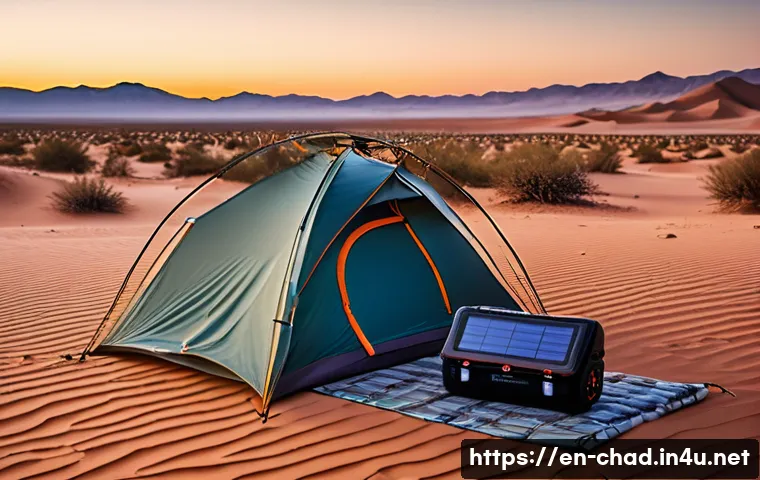
Chad’s climate can be tricky – scorching during the day but surprisingly chilly at night, especially in the desert. I packed lightweight, breathable layers that I could easily add or remove.
A moisture-wicking base layer, a long-sleeve shirt, and a fleece or light jacket worked perfectly. This approach kept me comfortable whether I was hiking in the Sahara or relaxing by the lake at dusk.
Also, quick-dry materials are a blessing since washing clothes on the go is limited.
Cultural Sensitivity in Dress
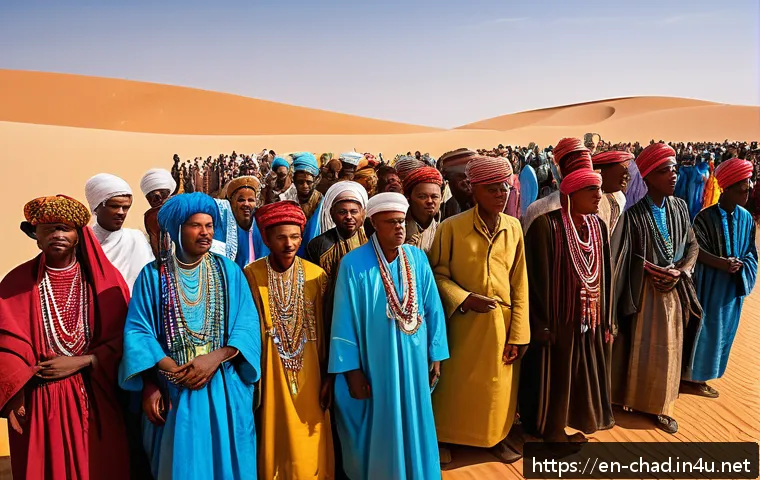
Chad is a conservative country, so dressing modestly is both respectful and practical. For women, that means avoiding shorts and sleeveless tops in public, opting instead for loose-fitting pants, skirts, and tops that cover shoulders.
Men should also avoid sleeveless shirts and overly casual attire. I noticed that locals appreciate when visitors respect their dress codes, which makes interactions friendlier and smoother.
Scarves or shawls can be useful for covering up when visiting religious or rural areas.
Organizing Your Luggage Efficiently
I found packing cubes invaluable for keeping my clothes, electronics, and toiletries organized. A sturdy backpack with multiple compartments made it easy to access essentials without unpacking everything.
Remember to leave some space for souvenirs or local crafts you might pick up. A daypack for excursions is also a must-have for carrying water, snacks, and gear.
Don’t forget waterproof bags or dry sacks to protect items from dust or sudden rain.
Essential Gadgets and Outdoor Equipment
Navigation and Safety Tools
A reliable GPS device or a smartphone with offline maps is crucial when exploring less populated areas. I carried a compass as a backup, which turned out to be useful during a brief power outage in the desert.
A whistle and a multi-tool knife also proved handy for minor repairs and emergencies. For extended treks, a personal locator beacon or satellite phone can be lifesaving, though these are more for serious adventurers.
Camping and Overnight Gear
If your itinerary includes camping, invest in a lightweight, durable tent that can withstand strong winds and sand. Sleeping bags rated for variable temperatures helped me stay warm during chilly desert nights.
A compact camping stove and reusable utensils made meals easier when outside urban centers. Don’t underestimate the value of a good headlamp and insect-proof netting to improve your comfort and safety.
Photography and Documentation
Capturing Chad’s stunning landscapes and vibrant culture is a highlight, so bring a camera with extra batteries and memory cards. I preferred a mirrorless camera for its balance of quality and portability.
A waterproof case is essential for protecting your gear from dust and sand. Also, a small notebook or voice recorder helped me jot down experiences and local stories for later reflection.
Local Etiquette and Communication Essentials
Basic Language Phrases to Know
French and Arabic are the official languages, but many local dialects are spoken. Learning simple greetings, thank-yous, and polite expressions can open doors.
I found that locals appreciated my efforts to say “Bonjour” or “Merci,” which often led to friendlier interactions. Downloading phrasebooks or using a language app with offline mode made communicating easier in markets or rural villages.
Respecting Cultural Norms
Understanding and respecting local customs goes a long way. For example, it’s polite to greet elders first and avoid public displays of affection. Dress modestly, especially in religious settings, and ask permission before photographing people.
I noticed that bargaining is common in markets but should be done respectfully and with a smile. Being patient and open-minded created positive experiences and sometimes even invitations to local homes.
Making the Most of Local Hospitality
Chadian people are known for their warmth and hospitality. Accepting invitations to share meals or tea is a great way to experience authentic culture.
I always carried small gifts like pens or sweets for children, which helped break the ice. Engaging with locals not only enriched my trip but also provided valuable insights and travel tips I wouldn’t have found in guidebooks.
Summary of Key Essentials for Your Chad Trip
| Category | Recommended Items | Tips |
|---|---|---|
| Health & Safety | First aid kit, mosquito repellent, sunscreen SPF 50+, oral rehydration salts, vaccinations | Use DEET-based repellents, update vaccinations 4-6 weeks prior, carry electrolyte powders |
| Documents & Money | Passport, visa, travel insurance, local currency (CFA franc), money belt | Make digital copies, exchange cash at official bureaus, register trip with embassy |
| Tech & Connectivity | Unlocked phone, local SIM card, power bank, universal adapter, offline maps | Download apps before travel, carry solar charger, backup charging cables |
| Clothing | Lightweight layers, modest attire, wide-brimmed hat, sturdy hiking boots | Prefer breathable fabrics, bring scarves for sun and cultural coverage |
| Outdoor Gear | GPS device, compass, tent, sleeping bag, headlamp, insect net | Pack multi-tool, personal locator beacon for remote treks, waterproof cases |
| Communication & Etiquette | Phrasebook/app, small gifts, notebook/voice recorder | Learn basic French/Arabic, respect local customs, engage warmly |
In Conclusion
Preparing well for your Chad adventure is key to having a safe and enjoyable experience. From health precautions to cultural respect, every detail counts. Taking time to pack the right gear and documents will help you navigate challenges smoothly. Embrace the journey with an open mind and a spirit of curiosity, and Chad will reward you with unforgettable memories.
Useful Tips to Keep in Mind
1. Always carry a well-stocked first aid kit and keep up with necessary vaccinations well before your trip.
2. Protect yourself from the harsh sun with proper clothing and high SPF sunscreen, and stay hydrated with filtered water.
3. Manage your money carefully by using official exchange points and keeping cash secure in multiple places.
4. Download essential apps and bring reliable charging equipment to stay connected even in remote areas.
5. Respect local customs by dressing modestly and learning basic French or Arabic phrases to foster positive interactions.
Key Takeaways for a Smooth Trip
Health safety is paramount—prepare for malaria risks, sun exposure, and dehydration. Ensure all travel documents, including visa and insurance, are in order and backed up digitally. Cash remains king, so plan currency needs carefully. Equip yourself with tech tools to maintain communication and navigation abilities. Lastly, embrace cultural sensitivity to enrich your experience and build meaningful connections with locals.
Frequently Asked Questions (FAQ) 📖
Q: What health precautions should I take before traveling to Chad?
A: Before heading to Chad, it’s crucial to get updated on routine vaccinations and consider additional ones like yellow fever, typhoid, and hepatitis A and B.
Malaria is a significant risk, so bringing effective mosquito repellents and taking antimalarial medication as prescribed is essential. Personally, I always carry a small first aid kit and water purification tablets because clean water can be scarce outside major cities.
Also, consulting a travel health clinic a few weeks before your trip helps tailor precautions to your itinerary.
Q: What essential documents and permits do I need for a trip to Chad?
A: You’ll definitely need a valid passport with at least six months’ validity beyond your planned stay. A visa is required for most travelers, so apply well in advance either through the Chadian embassy or online if available.
I found it helpful to keep both physical and digital copies of your passport, visa, travel insurance, and emergency contacts. Additionally, some regions might require special permits, especially if you’re venturing into remote or protected areas, so check local regulations before you go.
Q: What gear should I pack for exploring Chad’s diverse environments?
A: Packing smart is key to handling Chad’s hot desert climate and occasional rugged terrain. Lightweight, breathable clothing that covers your skin helps protect against the sun and insects.
A sturdy pair of hiking boots is a must if you plan to explore the Sahara or national parks. Don’t forget a wide-brimmed hat, sunglasses, and high-SPF sunscreen.
When I traveled there, having a reliable power bank and a flashlight made a big difference during long journeys or when electricity was spotty. Also, a good camera or smartphone for capturing the stunning landscapes and vibrant markets will definitely enhance your experience.