In Chad, the right humanitarian support depends on whether the priority is immediate relief, refugee assistance, or longer-term resilience. A credible programme should show how it will manage access, local engagement, safeguarding, logistics, and reporting before funds are committed.
For individual donors, clear objectives and transparent updates are often the most useful starting points. For funders and operational teams, delivery capacity and supply-chain planning may matter as much as the intervention itself.
Chad’s landlocked geography, seasonal conditions, and limited infrastructure can make humanitarian logistics a central budget and planning issue. Comparing partners carefully helps align funding with realistic outcomes rather than broad promises.
At a Glance
- Emergency support may focus on food, nutrition, health care, water and sanitation, shelter, and protection.
- Refugee and displacement programmes should consider both displaced people and affected host communities.
- Longer-term resilience work can include livelihoods, education, local services, and climate-resilience activities.
| Programme type | Typical delivery needs | Time horizon | Main cost drivers | Key verification question |
|---|---|---|---|---|
| Emergency relief | Rapid procurement, transport, field staff, coordination | Immediate to short term | Last-mile delivery, supplies, security requirements, monitoring | Is there a clear plan for timely, accountable delivery? |
| Refugee support | Protection, health, education, water, local-language communication | Short to medium term | Service continuity, staffing, community engagement, logistics | How are refugee and host-community needs being considered? |
| Resilience and recovery | Livelihood support, education, local services, climate adaptation | Medium to longer term | Local partnerships, technical support, follow-up, measurement | Are goals realistic and linked to a practical delivery model? |
What Humanitarian Work in Chad Typically Involves
Humanitarian work in Chad can respond to displacement, food insecurity, public-health pressures, flooding, drought, and limited access to essential services. Chad is a landlocked country in Central Africa, and French and Arabic are its official languages. These conditions make programme design more than a question of selecting a cause: teams must also plan how assistance will reach people safely and consistently.
Immediate Needs: Food, Shelter, Health, Water, and Protection
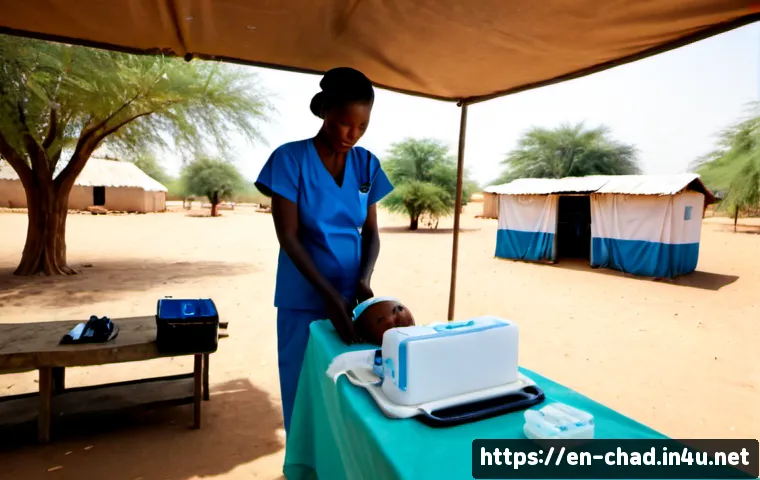
Immediate-response programmes may provide food assistance, nutrition support, health care, water and sanitation, shelter, and protection services. Chad also hosts refugees and displaced people from regional crises, including people fleeing conflict in neighbouring countries. A strong emergency proposal should explain the target need, delivery process, accountability measures, and how changing access conditions will be managed.
Longer-Term Work: Livelihoods, Education, Local Services, and Climate Resilience
Emergency relief is not the only funding need. Longer-term programmes may support livelihoods, education, local services, and climate resilience. These activities can be relevant where communities face repeated shocks from drought, flooding, displacement, or limited service access. Funders should avoid assuming that a long-term programme is automatically more sustainable; it still needs local capacity, realistic milestones, and meaningful community involvement.
Three-Point Summary for Donors and Operational Teams
- Match the funding objective to the situation: urgent needs, displacement-related services, or resilience planning.
- Ask how the programme will operate beyond major urban areas, where travel and supply chains may be difficult.
- Look for community engagement, safeguarding, and reporting alongside technical activities.
Comparing Humanitarian Programme Types and Their Value
The most useful comparison is not “which programme is best?” but which approach fits the need, operating window, and delivery constraints? Funding decisions should distinguish between immediate emergency relief and longer-term resilience or development work.
Emergency Relief Versus Recovery and Resilience Programmes
Emergency relief is designed around pressing needs and requires readiness in procurement, humanitarian logistics, staffing, and monitoring. Recovery and resilience work generally needs more time for consultation, local partnerships, and follow-through. A balanced portfolio may support both, but each component should have its own objectives, delivery plan, and reporting standards.
Refugee Support Versus Host-Community Support
Refugee assistance can include protection, health, water and sanitation, education, and other essential services. Host communities may also experience pressure on available resources and services. Before supporting a programme, ask whether the organisation has considered the local context rather than treating displaced populations as separate from the communities around them.
Cost Drivers: Transport, Supply Chains, Staffing, Security, and Monitoring
Programme costs can vary substantially by location, transport route, security requirements, staffing model, and type of assistance. Long travel distances, weak transport infrastructure, seasonal rains, and supply-chain constraints can affect delivery outside major urban areas. Higher operating costs do not alone indicate poor value; the relevant question is whether the budget clearly connects logistics, local staffing, safeguarding, and monitoring to the work being delivered.
Operational Realities for NGOs Working in Chad
NGO operations planning in Chad should account for conditions that affect both speed and reliability. A project plan that looks sound on paper can still struggle if access, transport, local communication, or coordination are treated as secondary details.
Access Constraints, Seasonal Conditions, and Last-Mile Delivery
Last-mile delivery may be affected by long distances, seasonal rains, transport limitations, and supply-chain delays. Humanitarian logistics providers and implementing teams should be able to explain routing assumptions, supply handling, contingency planning, and coordination arrangements. For a donor or CSR team, this is a practical due-diligence area: ask what could delay delivery and what the team would do if conditions change.
Working With Local Communities, Authorities, and Local Organisations
Community engagement, local-language communication, coordination with local authorities, and collaboration with local organisations are important operational considerations. Consultation should not be treated as a box to tick after a project is designed. It can shape how assistance is communicated, whether services are accessible, and how concerns are raised and addressed.
Safeguarding, Accountability, and Responsible Data Handling
Any organisation collecting personal information or delivering services to vulnerable people should have clear approaches to safeguarding, accountability, and responsible data handling. Ask how people can provide feedback or raise concerns, who receives those reports, and how the organisation explains services in understandable languages. Project management software may support tracking and reporting, but software is not a substitute for accountable field practice.
How to Assess an NGO, Project Partner, or Funding Opportunity
The safety, registration status, governance quality, and delivery capacity of an individual NGO should never be assumed. Verification is especially important when a programme operates in complex environments or requires significant logistics and security planning.
Governance, Registration, Financial Reporting, and Project Transparency
Review available information on registration, governance, financial reporting, project objectives, and implementation arrangements. A credible organisation should be able to describe what it intends to deliver, who is responsible, and how progress will be monitored. Broad humanitarian language without a defined plan is not enough for a funding decision.
Evidence of Local Capacity and Realistic Delivery Plans
Look for evidence that the partner understands local operating conditions. This may include local staffing, partnerships, language capability, coordination processes, and a realistic supply-chain plan. When comparing NGO operations or humanitarian logistics support, assess whether the proposed capacity fits the location and type of assistance rather than relying on general reputation alone.

Questions to Ask Before Donating, Commissioning, or Partnering
- What specific need is the programme addressing, and why is this approach suitable?
- How will goods, services, or cash-based support be delivered and monitored?
- What local staffing, community engagement, and language arrangements are in place?
- How are safeguarding concerns and community feedback handled?
- Which logistics, security, or seasonal risks could affect delivery?
- What reporting will be available, and what cannot reasonably be guaranteed?
Common Risks and Mistakes to Avoid
Funding Vague Objectives Without Measurable Delivery Plans
A proposal may describe serious needs without explaining the delivery model. Avoid committing funds based only on broad aims such as “supporting communities” or “helping refugees.” Request clear activities, responsibilities, monitoring arrangements, and an explanation of operating assumptions.
Underestimating Logistics and Operating Costs
Transport, staffing, supply chains, security measures, and monitoring can be essential parts of responsible delivery. Treating these as unnecessary overhead can weaken a project’s ability to reach people outside accessible areas. Instead, examine whether costs are proportionate to the stated implementation plan.
Treating Community Consultation as Optional
Ignoring local perspectives can create communication gaps and reduce accountability. Community engagement should be built into programme planning, delivery, and feedback processes. This is particularly important where services must be explained clearly and delivered in ways that people can access safely.
Selection Criteria and Comparison Summary
Compare operating capacity, reporting standards, and logistics readiness before committing funds. Check whether the programme has a defined target need, a realistic access and supply-chain plan, local-language communication, safeguarding procedures, and reporting that matches the size and purpose of the commitment. Also separate emergency requirements from longer-term resilience goals so that budgets and expectations remain clear.
Best Fit for Individual Donors
Individual donors may prefer programmes with a clearly stated purpose, understandable updates, and visible accountability channels. Focus on whether the organisation explains what support is intended to provide without promising a guaranteed outcome.
Best Fit for Foundations and Institutional Funders
Foundations and institutional funders may need deeper review of governance, financial transparency, monitoring frameworks, local capacity, and risk management. A funding decision should consider whether emergency response, refugee support, or resilience work best matches the grant’s intended time horizon.
Best Fit for Organisations Seeking Implementation or Logistics Support
Organisations commissioning delivery or seeking humanitarian logistics support should compare operational reach, local staffing, transport planning, coordination practices, safeguarding, and reporting systems. Review official provider information and detailed service conditions before selecting a partner.
In Closing
Humanitarian work in Chad covers urgent assistance as well as longer-term efforts to strengthen livelihoods, education, local services, and resilience. The most responsible choice is usually the one that matches the actual need and acknowledges operational constraints. Clear planning, local engagement, and transparent reporting are more useful indicators than broad claims. Because conditions can change rapidly, current priorities and partner capacity should always be checked before funds are released.
Useful Information to Keep in Mind
1. French and Arabic are Chad’s official languages, so local-language communication should be considered in programme design.
2. Seasonal rains, distance, and limited infrastructure can affect delivery timelines.
3. Emergency relief and resilience programming may require different budgets, skills, and reporting expectations.
4. Safeguarding and community feedback are operational requirements, not optional additions.
Important Notes
Humanitarian caseloads, funding gaps, priority locations, and access conditions can change rapidly. Costs vary by location, security needs, staffing, transport routes, and the assistance being delivered. No organisation can guarantee that every donation or project will produce a specific outcome, so current documentation and partner information should be verified before making a commitment.
Frequently Asked Questions
Q1. What types of humanitarian assistance are most needed in Chad?
A1. Needs can include food assistance, nutrition, health care, water and sanitation, education, protection, livelihood support, and services for displaced people and refugees. The most relevant priority can differ by location and may change as conditions evolve.
Q2. How can donors evaluate whether an NGO working in Chad is credible and effective?
A2. Review registration and governance information where available, financial and project transparency, local capacity, safeguarding arrangements, delivery planning, and reporting standards. Ask how the organisation manages logistics, community feedback, and changing access conditions.
Q3. Why can humanitarian projects in Chad have high logistics and delivery costs?
A3. Chad’s landlocked setting, long travel distances, weak transport infrastructure, seasonal rains, supply-chain constraints, staffing needs, security requirements, and monitoring obligations can all affect operating costs. The key question is whether those costs are clearly explained and necessary for responsible delivery.