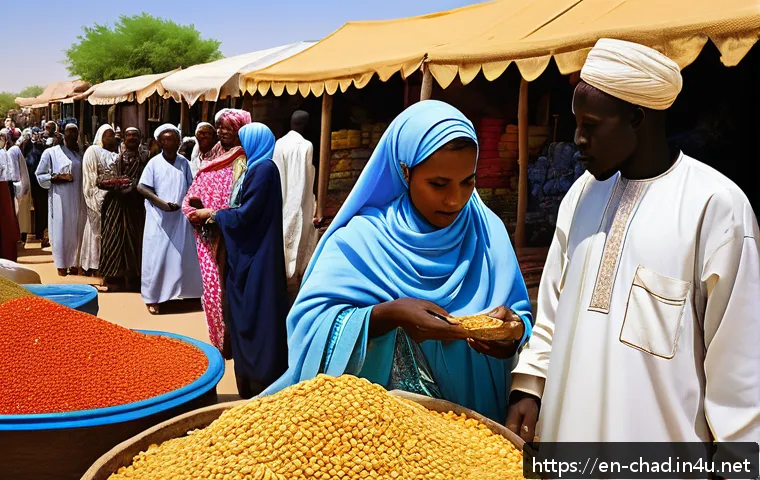
Welcome to a fascinating dive into how the Arabic language shapes everyday life and culture in Chad today. As the country experiences rapid social and economic changes, Arabic remains a powerful tool connecting diverse communities and influencing cultural expression.
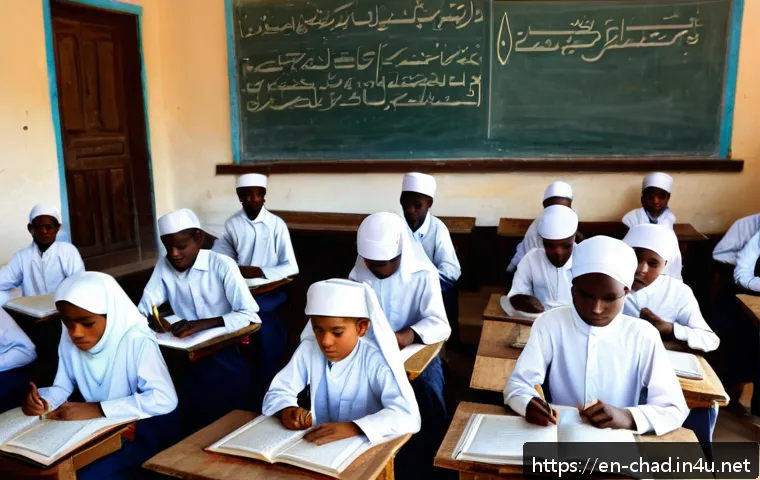
Recent shifts in education and media have sparked renewed interest in Arabic’s role, making this topic more relevant than ever. Whether you’re curious about linguistic trends or cultural dynamics, understanding Arabic’s impact in Chad offers fresh insights into a unique crossroads of language and identity.
Let’s explore how this ancient language continues to evolve and resonate in modern Chad.
The Role of Arabic in Daily Communication Across Chad
Bridging Ethnic and Linguistic Divides
Arabic serves as a crucial lingua franca in Chad, a nation characterized by immense ethnic and linguistic diversity. While French is the official language, Arabic—particularly Chadian Arabic—functions as the everyday language connecting various groups scattered across the country.
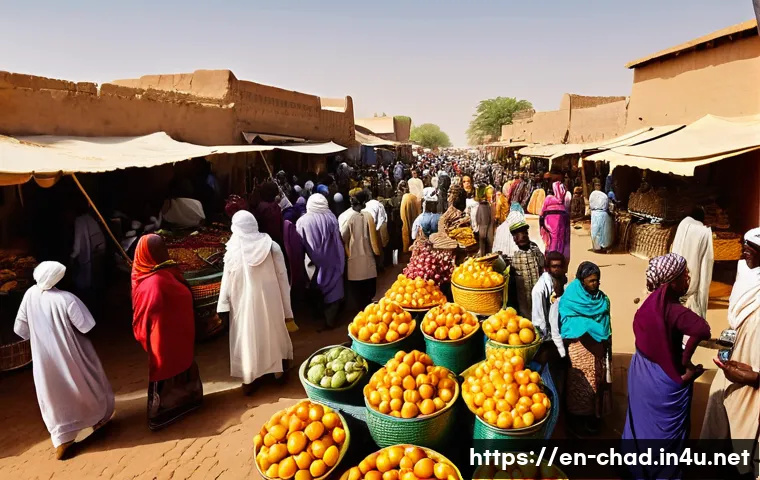
In marketplaces, schools, and urban centers, you’ll often hear Arabic bridging gaps between communities who otherwise speak mutually unintelligible native languages.
This shared communication medium allows for smoother trade, social interaction, and even conflict resolution. From my own visits to N’Djamena, the capital, I noticed how effortlessly people switch into Arabic to engage with strangers, illustrating its deep-rooted role in daily life.
Varieties of Arabic Spoken in Chad
Chadian Arabic is distinct from Modern Standard Arabic and the dialects spoken in North Africa or the Middle East. It has evolved uniquely with influences from local languages and colonial French, making it a hybrid that’s instantly recognizable to locals but often puzzling to outsiders.
There’s a fascinating range from rural to urban varieties, with the urban dialect often incorporating more French loanwords. This linguistic blend reflects the ongoing cultural exchanges and historical layers that shape identity in Chad today.
Understanding these varieties is key to appreciating how Arabic adapts to local realities rather than simply being imported.
Arabic in Informal Settings and Social Life
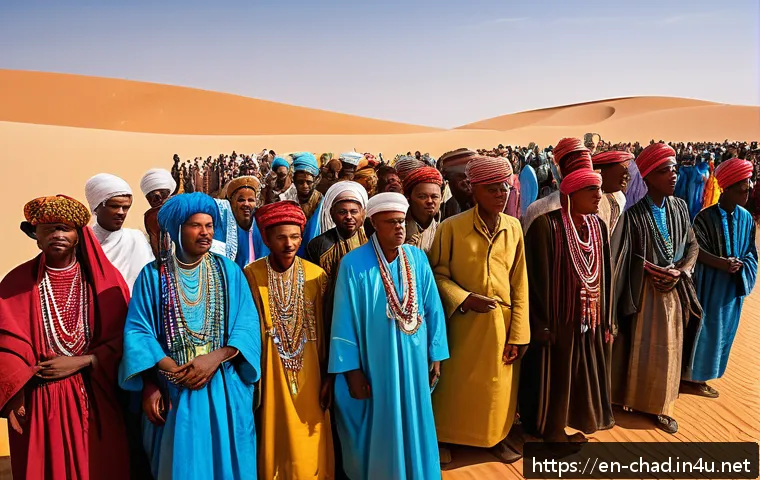
Beyond formal education and media, Arabic thrives in informal settings such as family gatherings, religious ceremonies, and social events. It’s not just a language but a cultural marker that conveys belonging and shared values.
For instance, during weddings or communal prayers, Arabic phrases and songs are common, creating a sense of unity and continuity. When I chatted with Chadian friends, they often expressed pride in their Arabic dialect as a symbol of their heritage, something that feels both modern and deeply traditional.
This emotional connection adds a layer of meaning to how Arabic shapes social identity daily.
Arabic Language Education and Its Growing Influence
Curriculum Changes and Arabic Instruction
In recent years, there’s been a noticeable shift in Chad’s education policy, with Arabic gaining more prominence alongside French. Schools in various regions are increasingly offering Arabic language classes, sometimes as a first or second language, depending on local demographics.
This change aims to improve literacy rates and cultural cohesion while responding to the practical needs of communication in everyday life. From conversations with educators, I learned that students often find Arabic more accessible than French, especially those from Arabic-speaking families, which has boosted enthusiasm for learning the language.
Challenges and Opportunities in Arabic Language Learning
Despite its growing importance, teaching Arabic in Chad faces challenges such as a lack of standardized textbooks, trained teachers, and resources tailored to local dialects.
Many schools rely on imported materials that don’t fully capture the linguistic nuances of Chadian Arabic. However, this gap has also opened opportunities for innovative approaches, including community-driven language programs and mobile apps that cater to learners in remote areas.
From what I observed, these initiatives are slowly gaining traction, fostering grassroots support for Arabic education that feels relevant and engaging.
The Role of Religious Institutions in Promoting Arabic
Islamic schools and religious centers play a significant role in sustaining Arabic literacy, as Arabic is the language of the Quran. Many families send their children to madrasas, where learning Arabic is intertwined with religious instruction.
This dual purpose reinforces both spiritual and linguistic fluency, contributing to the language’s resilience. I found it remarkable how these institutions not only preserve religious traditions but also act as informal hubs for Arabic language transmission, especially in rural communities where formal education may be limited.
Arabic Media as a Catalyst for Cultural Expression
Rise of Arabic-Language Broadcasting and Print
Arabic media outlets in Chad have expanded significantly, with radio stations, newspapers, and TV channels broadcasting in Arabic to reach wider audiences.
This media presence has transformed Arabic into a vibrant vehicle for news, entertainment, and cultural discourse. Listening to local radio broadcasts, I noticed how programs blend traditional storytelling with contemporary issues, resonating deeply with listeners.
This accessibility strengthens Arabic’s role as a living language that evolves alongside societal changes.
Social Media and Digital Arabic Content
The surge in mobile phone usage and internet access has also brought Arabic into the digital age in Chad. Social media platforms host a growing number of Arabic-speaking groups and content creators who share everything from daily news to cultural memes.
This digital ecosystem not only amplifies the language’s reach but also empowers younger generations to shape its future. I’ve seen firsthand how online Arabic discussions can spark debates on identity, politics, and art, highlighting the language’s dynamic presence beyond traditional media.
Challenges in Arabic Media Accessibility
Despite these advancements, there remain barriers such as limited infrastructure and regional disparities in access to Arabic media. Rural areas often rely on radio as the primary source, while urban populations enjoy a broader range of content.
Moreover, the dominance of French-language media in official circles sometimes sidelines Arabic programming, affecting funding and reach. Recognizing these challenges is essential to understanding the full picture of Arabic’s media landscape and its potential for growth.
Economic and Social Mobility Through Arabic Proficiency
Arabic as a Key Skill in Business and Trade
Arabic fluency opens doors in Chad’s bustling markets and cross-border trade with neighboring Arabic-speaking countries like Sudan and Libya. Traders and entrepreneurs who command Arabic often have a competitive edge, able to negotiate deals, understand market trends, and build relationships across ethnic lines.
From conversations with local business owners, it’s clear that Arabic proficiency is viewed as a practical asset that enhances economic opportunities and social networks.
Employment and Career Prospects
In sectors such as government services, diplomacy, and NGOs, Arabic language skills are increasingly valued. Job seekers who are bilingual or multilingual, including Arabic speakers, tend to have higher employability.
I encountered several young professionals who shared how their Arabic skills helped them secure positions in international organizations or facilitated communication with foreign partners.
This highlights how language competence intersects with career advancement in a rapidly changing job market.
Arabic and Social Integration
Arabic also contributes to social integration, especially for internally displaced persons and refugees who often come from Arabic-speaking backgrounds.
Mastery of Arabic can ease their adjustment to new environments within Chad, enabling access to services and community support. This practical role of Arabic underscores its importance not just as a cultural symbol but as a vital tool for inclusion and resilience amid social upheaval.
The Evolution of Arabic and Its Future in Chad
Adaptation to Modern Contexts
Arabic in Chad is far from static; it continues to absorb influences from other languages and adapt to contemporary realities. New vocabulary related to technology, education, and urban life is constantly being coined, reflecting the lived experiences of speakers.
I found it fascinating how younger generations creatively mix Arabic with French and local tongues, producing a hybrid form that feels fresh and relevant.
Preserving Heritage While Embracing Change
Efforts to document and preserve traditional forms of Chadian Arabic coexist with innovations that push the language forward. Cultural festivals, poetry readings, and music events celebrate Arabic’s rich heritage while encouraging experimentation.
Having attended some of these gatherings, I sensed a palpable pride and enthusiasm among participants who view Arabic as both a legacy to honor and a medium to express their evolving identities.
Prospects for Arabic in a Globalized World
Looking ahead, Arabic’s role in Chad will likely strengthen as the country deepens its ties with the broader Arabic-speaking world. International cooperation, migration, and media exchanges all contribute to this trend.
However, balancing this global connection with local linguistic diversity remains a challenge. The future of Arabic in Chad hinges on inclusive policies and community engagement that value multilingualism as a strength rather than a barrier.
| Aspect | Description | Impact on Society |
|---|---|---|
| Language Varieties | Chadian Arabic blends local dialects and French influences, differing from standard Arabic. | Enhances communication across diverse ethnic groups, fostering unity. |
| Education | Arabic increasingly incorporated in schools alongside French, with community-driven initiatives. | Improves literacy and cultural connection, especially in Arabic-speaking regions. |
| Media | Growth of Arabic radio, TV, print, and digital content targeting varied audiences. | Promotes cultural expression and informs public discourse in native language. |
| Economic Role | Arabic proficiency valued in trade, business, and employment sectors. | Enhances economic mobility and cross-border commerce opportunities. |
| Social Integration | Arabic aids refugee and displaced persons’ adaptation and access to services. | Supports inclusion and resilience in diverse communities. |
Cultural Traditions Intertwined with Arabic Language
Storytelling and Oral Literature
Arabic is the medium for many of Chad’s rich oral traditions, including folktales, proverbs, and poetry. These narratives often carry moral lessons, historical memories, and communal values passed down through generations.
In gatherings I attended, elders would recite stories in Arabic that captivated audiences, blending entertainment with education. This oral heritage reinforces language use beyond everyday communication, embedding Arabic deeply in cultural identity.
Music and Performance Arts
Chadian Arabic is prominent in traditional music and performance arts, where lyrics and chants convey social themes, spirituality, and personal expression.
Musicians and performers often use Arabic to reach wider audiences, connecting with shared cultural roots across the Sahel region. Experiencing live performances, I was struck by how language and rhythm combined to create powerful emotional resonance, illustrating Arabic’s role in artistic creativity.
Religious Practices and Festivities
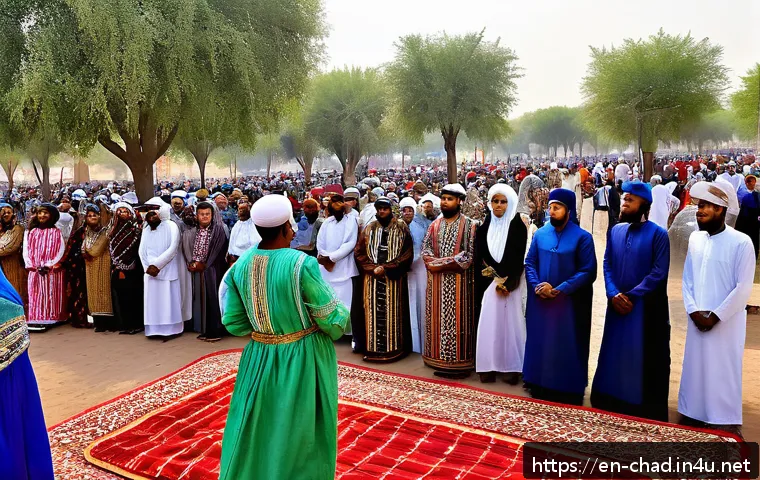
Islamic faith practices in Chad heavily rely on Arabic, from Quranic recitations to religious festivals such as Eid. These occasions not only reinforce spiritual beliefs but also sustain Arabic literacy and oral skills among participants.
Family and community celebrations often feature Arabic prayers and songs, strengthening bonds and affirming a collective sense of belonging that transcends linguistic boundaries.
Government Policies and Arabic’s Official Status
Balancing French and Arabic in Official Domains
Chad’s government officially recognizes both French and Arabic, reflecting the country’s colonial history and cultural realities. However, the practical implementation of bilingualism varies widely.
In administrative offices and legal settings, French remains dominant, but Arabic is increasingly present in local governance and public services, especially in regions where it is the primary spoken language.
This balance aims to respect linguistic diversity while maintaining national unity.
Language Planning and Standardization Efforts
Efforts to standardize Chadian Arabic for education, media, and official use have been ongoing but face challenges due to dialectal variations and limited resources.
Policymakers and linguists work to develop teaching materials and dictionaries that reflect local usage while aligning with broader Arabic norms. These initiatives are crucial for enhancing the language’s prestige and usability in formal contexts.
Community Participation in Language Policy
Successful language policy in Chad depends heavily on community involvement. Local leaders, educators, and cultural organizations advocate for Arabic’s role, ensuring that policies resonate with grassroots needs and identities.
From my observations, this bottom-up approach fosters ownership and enthusiasm, which are vital for the sustainable promotion of Arabic in both official and everyday spheres.
Conclusion
Arabic plays an essential role in Chad’s daily communication, cultural expression, and social cohesion. Its unique varieties and growing presence in education and media highlight its adaptability and importance. As Chad continues to embrace multilingualism, Arabic remains a vital link connecting diverse communities and fostering economic and social opportunities.
Useful Information to Know
1. Arabic serves as a common language bridging many ethnic groups across Chad, facilitating trade and social interaction.
2. Chadian Arabic differs from standard Arabic, blending local dialects and French influences, making it unique to the region.
3. Education reforms are increasingly including Arabic, with community efforts supporting language learning in schools.
4. Arabic media, including radio, television, and digital platforms, is expanding, promoting cultural identity and public discourse.
5. Proficiency in Arabic enhances career prospects and aids social integration, especially among refugees and displaced persons.
Key Points Summary
Arabic in Chad is more than just a language; it is a dynamic cultural force that connects diverse populations and supports social unity. Despite challenges like resource limitations and dialectal variation, ongoing community involvement and policy efforts are strengthening Arabic’s role in education, media, and public life. This linguistic vitality is crucial for economic growth, cultural preservation, and fostering inclusive social environments across Chad.
Frequently Asked Questions (FAQ) 📖
Q: How does
A: rabic influence daily communication in Chad? A1: Arabic serves as a vital lingua franca in Chad, bridging numerous ethnic groups with different native languages.
In markets, schools, and government offices, it enables smooth interaction and mutual understanding. From my own observations, people often switch between Arabic dialects and local languages seamlessly, showing how deeply embedded Arabic is in everyday life.
This linguistic blend not only facilitates communication but also strengthens social cohesion in a culturally diverse nation.
Q: What role does
A: rabic play in Chad’s education system? A2: Arabic is increasingly prominent in Chad’s education, especially in regions where it’s the primary language of instruction.
Schools often teach Arabic alongside French, the official language, which helps students access broader cultural and religious texts. From what educators share, incorporating Arabic has improved literacy rates and provided more inclusive learning environments.
Personally, I’ve noticed that students feel more confident when learning in a language connected to their community and heritage.
Q: In what ways has
A: rabic impacted cultural expression and media in Chad? A3: Arabic influences music, literature, and media profoundly in Chad. Radio programs, television shows, and newspapers frequently use Arabic to reach diverse audiences.
I’ve seen local artists blend traditional Arabic poetic forms with contemporary styles, creating unique cultural expressions that resonate widely. This fusion not only preserves heritage but also adapts it to modern tastes, making Arabic a living, evolving force in Chad’s cultural scene.