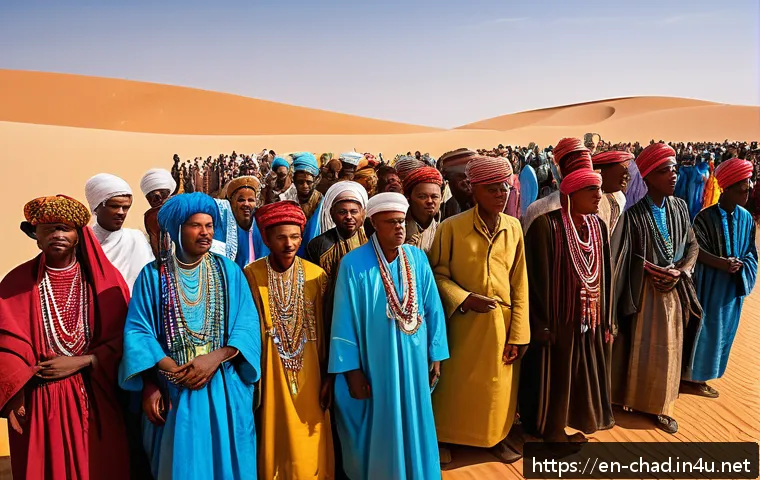
As the world eagerly embraces cultural diversity and unique traditions, Chad’s Guelta Festival stands out as a mesmerizing celebration that captures the heart of its people and heritage.
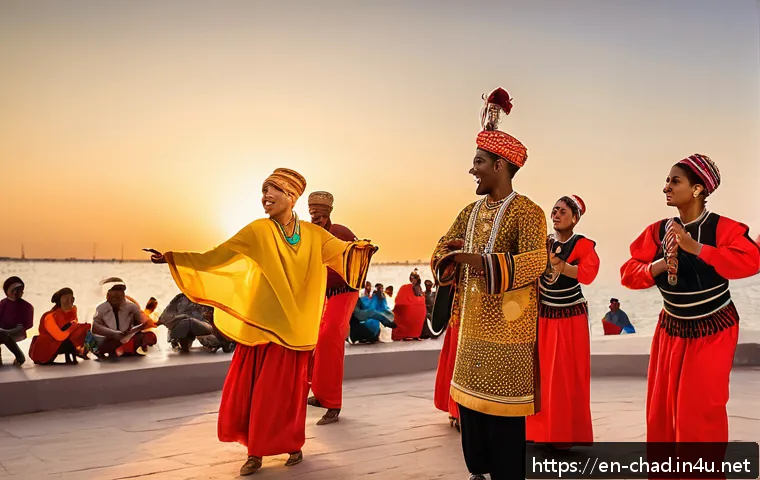
This vibrant festival, deeply rooted in centuries-old customs, offers a rare glimpse into Chad’s rich history and communal spirit. With global interest in authentic cultural experiences rising, the Guelta Festival has become a must-see event for travelers seeking more than just sightseeing.
Join me as we dive into the colorful rituals, lively performances, and heartfelt stories that make this festival truly unforgettable. Whether you’re a culture enthusiast or an adventurous explorer, this journey promises to leave you inspired and connected to the soul of Chad.
The Heartbeat of Chad’s Communal Spirit
The Gathering of Tribes
The Guelta Festival is a rare occasion where multiple tribes converge in a shared celebration of unity and heritage. From the Toubou to the Sara people, each group brings its own distinct costumes, dances, and songs, creating a vibrant mosaic of Chad’s cultural fabric.
What strikes me most is how these diverse communities, often separated by geography and language, come together with genuine warmth and mutual respect.
Walking among the festival-goers, you can feel a palpable sense of belonging and pride, as if centuries of history are alive in every handshake and smile.
It’s not just a festival; it’s a living testament to Chad’s resilience and harmony amid diversity.
Traditional Attire and Symbolism
One cannot help but be captivated by the intricate clothing worn during the festivities. The garments are more than just decorative; they’re rich in symbolism, reflecting social status, tribal identity, and ancestral stories.
For example, the nomadic Toubou people wear flowing robes and elaborate jewelry crafted from silver and beads, each piece telling a story passed down through generations.
Experiencing this up close, I noticed how elders take great care in explaining the meaning behind each pattern and ornament to younger attendees, ensuring that these traditions continue to thrive.
The vivid colors and textures don’t just dazzle the eye—they connect people to their roots in a deeply emotional way.
Communal Feasts and Culinary Traditions
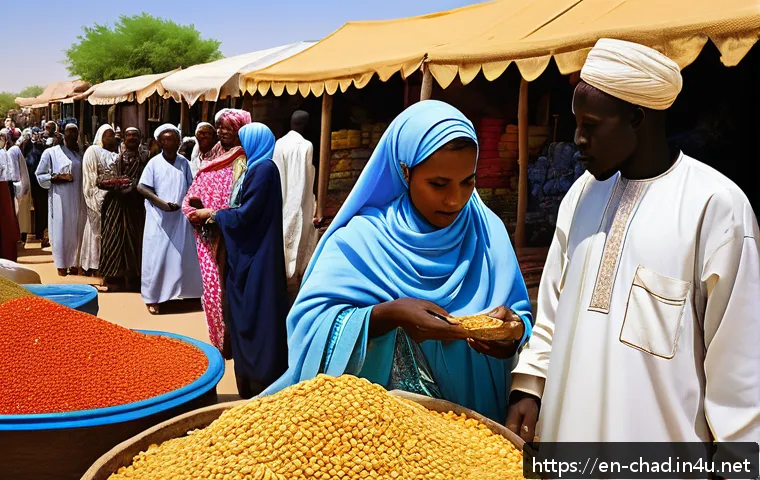
Food plays a central role in bonding the festival community. Massive communal meals are prepared with traditional recipes that have been handed down through generations.
Dishes like millet porridge, grilled meat spiced with local herbs, and freshly baked bread fill the air with irresistible aromas. I had the chance to join one such feast, where strangers sat side by side, sharing stories over hearty plates.
It felt less like a meal and more like a ritual that nourishes both body and soul. The generosity of the hosts and the shared enjoyment of these dishes underscore the festival’s essence—celebration through togetherness.
Rhythms and Movements: The Pulse of Celebration
Traditional Dance and Music Performances
The festival’s rhythm is driven by traditional dance and music that echo through the Guelta oasis. Drums, flutes, and stringed instruments come alive as dancers clad in colorful costumes move with fluidity and purpose.
Watching these performances, I was struck by how the choreography tells stories of bravery, love, and ancestral wisdom. Each movement is deliberate, a language of its own that transcends words.
The energy is contagious—spectators often find themselves clapping along or even invited to join in. It’s an immersive experience that pulls you into Chad’s cultural heartbeat, making you feel part of something timeless.
The Role of Storytelling in Performances
Beyond the music and dance, storytelling is a key element that enriches the festival’s atmosphere. Griots, or traditional storytellers, weave tales of historic battles, legendary heroes, and moral lessons through song and spoken word.
I remember sitting under a starlit sky, captivated as a griot’s voice rose and fell with emotion, painting vivid pictures in my mind. These stories are not just entertainment—they are vessels of collective memory, reinforcing community values and identity.
The way the audience reacts, with laughter, gasps, or solemn silence, reveals how deeply these narratives resonate.
Interactive Workshops and Learning Opportunities
One aspect I particularly appreciated was the availability of workshops where visitors could learn traditional dances or try their hand at crafting local instruments.
These hands-on experiences break down barriers between tourists and locals, fostering genuine cultural exchange. Participating in a drum-making workshop, I gained a newfound respect for the artistry and skill involved.
It’s one thing to watch a performance, but quite another to create the sounds that make it so powerful. These activities add layers of meaning to the festival, transforming spectators into active participants.
Nature and Spirituality Interwoven
The Sacred Role of the Guelta Oasis
The festival takes place around the Guelta, a natural water source in the desert that holds deep spiritual significance. For the local communities, the oasis is more than just a physical resource—it’s a symbol of life, hope, and continuity.
During the festival, rituals are performed to honor the water and seek blessings for the coming year. I observed these ceremonies with a mix of reverence and curiosity, noticing how carefully each gesture is executed, from offerings to rhythmic chants.
This connection to nature reminds everyone of their place within a larger ecosystem, fostering respect and gratitude.
Spiritual Ceremonies and Blessings
Many festival moments are dedicated to spiritual renewal, where elders lead prayers and blessings to protect the community and ensure prosperity. These ceremonies often involve traditional instruments and symbolic acts like lighting fires or pouring libations.
I found myself deeply moved by the sincerity and solemnity of these rituals, which blend indigenous beliefs with Islamic influences. Participating in these moments, even as an outsider, felt like being invited into the sacred heart of the culture, a privilege that few festivals offer.
The Festival’s Role in Preserving Ancient Beliefs
In a world rapidly changing, the Guelta Festival stands as a bulwark against cultural erosion. It keeps ancient beliefs alive by embedding them within joyous celebration.
Elders use the occasion to pass down spiritual knowledge, while younger generations witness and absorb these teachings firsthand. This dynamic ensures that the festival is not just a snapshot of the past but a living tradition adapting to modern times.
Experiencing this continuity firsthand made me realize how vital such festivals are for cultural survival and identity reinforcement.
Craftsmanship and Artistic Expression
Handmade Artisanal Creations
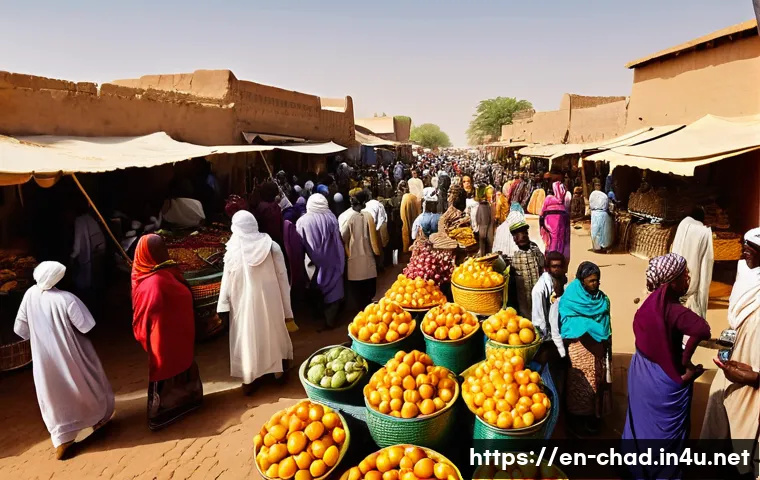
The festival is a showcase for Chad’s remarkable artisans who bring traditional crafts to life. From intricate beadwork and leather goods to pottery and wood carving, the range of skills on display is astonishing.
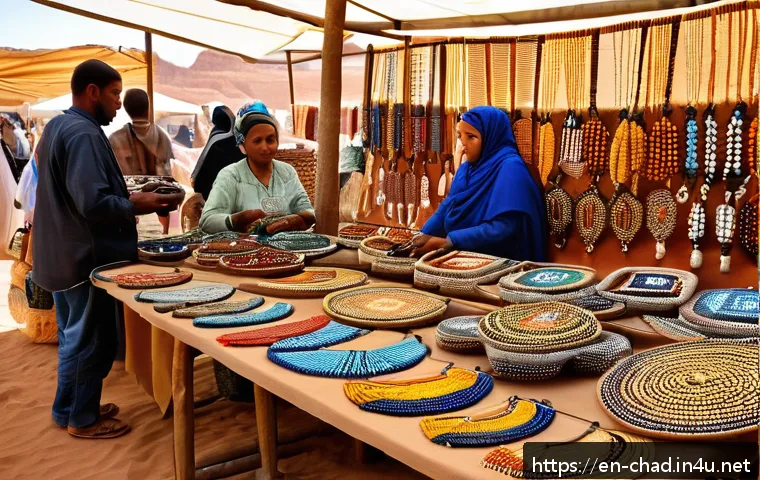
Walking through the artisan market, I was fascinated by the stories behind each piece—how natural materials are sourced sustainably and how techniques have been honed over centuries.
Buying a handmade necklace from a local woman felt like acquiring a piece of living history, crafted with care and pride.
Symbolic Meanings Embedded in Art
Each handcrafted item is imbued with symbolism reflecting cultural beliefs and social narratives. For instance, geometric patterns often represent protection or fertility, while animal motifs tell stories of strength or wisdom.
I found that many artisans were eager to explain these meanings, transforming a simple purchase into an educational exchange. This depth of artistic expression adds profound layers to the festival experience, revealing how art and culture are inseparable in Chad.
Workshops on Traditional Craft Techniques
Similar to the musical workshops, the festival offers sessions where visitors can try their hand at traditional crafts. I took part in a leatherworking workshop and was amazed at the patience and precision required.
These sessions foster appreciation not only for the final products but also for the cultural heritage they represent. They also provide economic opportunities for artisans, linking cultural preservation with sustainable livelihoods.
Festival Logistics and Visitor Tips
Best Time to Visit and Duration
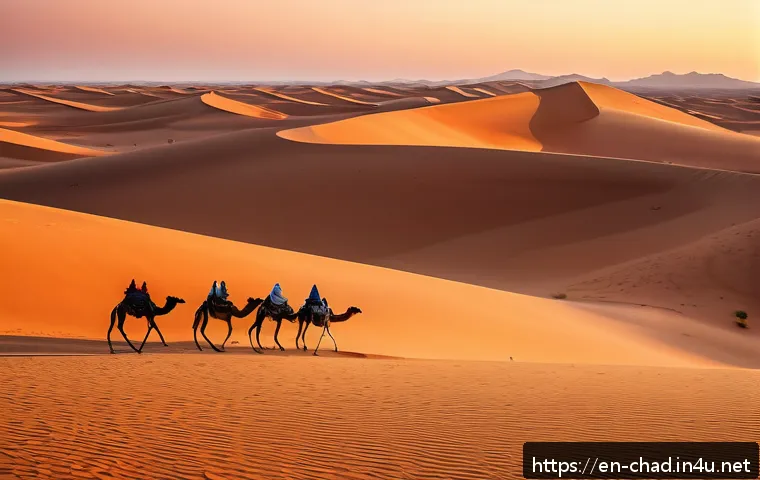
The Guelta Festival usually takes place during the dry season, when the weather is most favorable for outdoor celebrations. Planning a visit between November and February gives you the best chance to experience the full range of activities without the intense heat.
The festival typically lasts about a week, allowing ample time to immerse yourself fully in the cultural offerings. From my experience, arriving early and staying through the entire event provides a richer understanding and deeper connections with locals.
Accommodation and Transportation Options
Given the festival’s remote location, accommodation ranges from basic guesthouses to more comfortable lodges. Booking in advance is crucial since places fill up quickly.
Transportation can be challenging—most visitors rely on guided tours or local transport arranged through festival organizers. I found that hiring a local guide not only made travel easier but also enhanced my experience by providing insider knowledge and facilitating introductions to community members.
Essential Tips for Respectful Participation
Respecting local customs is vital to fully enjoying the festival while building positive relationships. Dress modestly, ask permission before photographing people, and learn a few basic greetings in local languages.
During ceremonies, follow the lead of elders and avoid interrupting rituals. Being mindful of these practices shows appreciation and helps avoid misunderstandings.
From personal encounters, I can say that a respectful attitude opens doors to heartfelt interactions that make the festival unforgettable.
| Aspect | Details |
|---|---|
| Festival Timing | November to February (Dry Season) |
| Location | Guelta Oasis, Northern Chad |
| Duration | Approximately 7 days |
| Key Participants | Toubou, Sara, and other local tribes |
| Main Activities | Traditional dances, storytelling, communal feasts, craft workshops |
| Accommodation | Guesthouses, lodges (advance booking recommended) |
| Transportation | Local guides, arranged tours |
| Visitor Tips | Modest dress, ask before photos, follow ritual protocols |
Impact and Future of the Festival
Preserving Heritage in a Modern World
The Guelta Festival is more than a celebration—it’s a vital effort to preserve Chad’s intangible cultural heritage. As globalization accelerates, traditional ways risk being overshadowed.
This festival acts as a beacon, reminding both locals and visitors of the richness and importance of these ancient customs. I’ve seen firsthand how young people attending the festival feel a renewed sense of pride and responsibility toward their cultural roots, which bodes well for the festival’s longevity.
Boosting Local Economies through Cultural Tourism
Beyond cultural preservation, the festival plays an important role in supporting local economies. Increased tourism brings income to artisans, guides, and hospitality providers, creating sustainable opportunities for communities often overlooked by mainstream development.
During my visit, I witnessed how festival revenues helped fund community projects and education programs. This positive cycle of culture and commerce enhances the festival’s value, making it a model for responsible cultural tourism.
Challenges and Opportunities Ahead
Like many cultural events, the Guelta Festival faces challenges such as maintaining authenticity amid growing tourist interest and ensuring equitable benefits for all participants.
However, these challenges also open doors for innovation—incorporating digital storytelling, expanding educational outreach, and fostering partnerships with cultural organizations worldwide.
Based on conversations with organizers, there is a strong commitment to balancing tradition with progress, ensuring the festival remains a meaningful and inspiring experience for generations to come.
In Closing
The Guelta Festival is a remarkable celebration that brings together diverse communities in Chad, weaving together tradition, spirituality, and artistry. Experiencing it firsthand reveals the deep cultural pride and resilience that define the region. This festival not only preserves ancient customs but also fosters meaningful connections between locals and visitors alike. It’s a vibrant reminder that culture thrives through shared stories, rituals, and joyous unity.
Useful Information to Know
1. The festival takes place during the dry season, from November to February, offering the best weather for outdoor festivities.
2. It lasts approximately seven days, so plan to stay for the entire duration to fully immerse yourself.
3. Accommodation options range from guesthouses to lodges, but booking in advance is essential due to limited availability.
4. Local guides and arranged tours are highly recommended for smooth transportation and deeper cultural insights.
5. Respect local customs by dressing modestly, asking permission before taking photos, and following the lead during rituals to ensure a positive experience.
Key Takeaways
The Guelta Festival serves as a vital cultural bridge, preserving Chad’s rich heritage while adapting to modern challenges. It highlights the importance of community, spirituality, and artistic expression in maintaining identity. Visitors are encouraged to participate respectfully, supporting both cultural preservation and local economies. Ultimately, this festival exemplifies how tradition and tourism can coexist sustainably, benefiting all involved.
Frequently Asked Questions (FAQ) 📖
Q: uestions about Chad’s Guelta FestivalQ1: When is the Guelta Festival held, and how long does it last?
A: The Guelta Festival typically takes place annually during the dry season, usually between November and February. The festival spans several days, often lasting around three to five days, allowing visitors to fully immerse themselves in the rich cultural activities, traditional ceremonies, and vibrant performances.
This timing also ensures comfortable weather conditions for both locals and travelers to enjoy the festivities without the challenges of extreme heat or rain.
Q: What unique cultural experiences can visitors expect at the Guelta Festival?
A: Visitors to the Guelta Festival can expect a deeply authentic cultural experience that goes beyond mere observation. From traditional dance and music performances to intricate storytelling sessions and communal feasts, the festival showcases the vibrant heritage of Chad’s diverse ethnic groups.
One highlight is the ritual bathing ceremonies at the gueltas (natural water pools), symbolizing purification and community bonding. Attending these events offers a rare chance to witness living traditions that have been preserved for centuries, making it a truly immersive and heartfelt experience.
Q: Is the Guelta Festival suitable for first-time travelers to Chad, and how accessible is it?
A: Absolutely, the Guelta Festival is a fantastic introduction to Chad’s culture for first-time visitors. While Chad may not be a typical tourist hotspot, the festival is well-organized with local guides who help navigate the event and provide insights into its significance.
Accessibility can vary depending on the specific location of the gueltas, but many festival sites are reachable with reasonable travel arrangements from the capital, N’Djamena.
Preparing ahead with a trusted tour operator can make the experience smooth and safe, allowing travelers to fully enjoy the warmth and hospitality of the local communities.