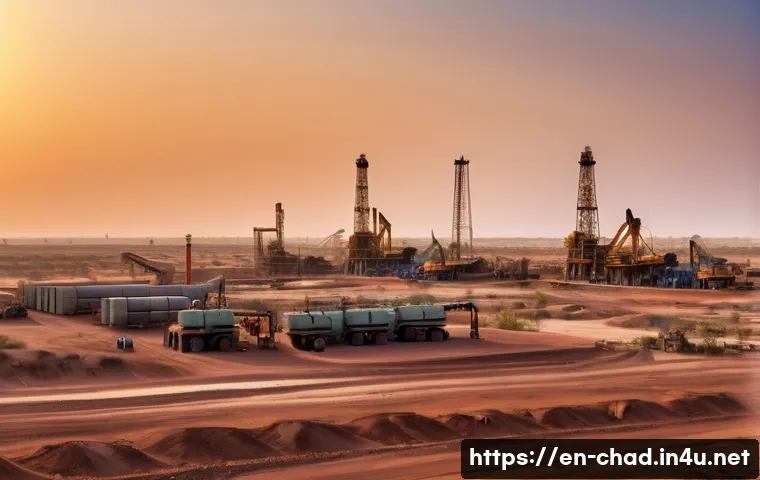
Chad’s vast natural resources present a promising frontier for development, offering opportunities to boost the nation’s economy and improve local livelihoods.
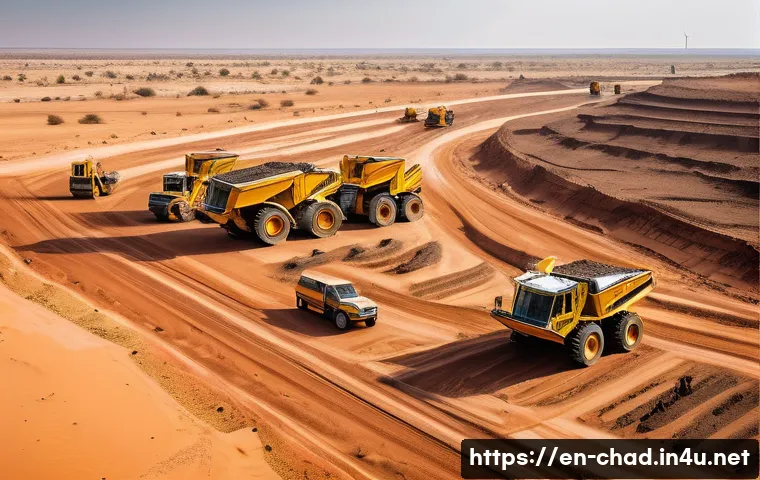
Recent projects in oil, gold, and uranium extraction have drawn international attention, fueling hopes for sustainable growth. However, navigating the challenges of infrastructure, governance, and environmental impact remains crucial.
Understanding how these factors intertwine is key to grasping the full potential of Chad’s resource development. Let’s dive deeper into the details and explore what this means for Chad’s future.
Stay with me as we uncover the story behind the numbers!
Unlocking the Economic Promise: Resource Wealth as a Growth Engine
Transforming Natural Wealth into Economic Gains
Chad’s abundance in natural resources, particularly oil, gold, and uranium, offers a genuine chance to jump-start its economy in ways that were unimaginable just a decade ago.
From my observations, the extraction projects currently underway have already started attracting foreign investment and generating revenue streams that could fuel public spending on education, healthcare, and infrastructure.
However, the key is turning these raw materials into sustainable economic growth rather than just short-term windfalls. The challenge lies in how the government and private sector collaborate to create downstream industries, improve local employment opportunities, and avoid the so-called “resource curse” that has plagued other resource-rich countries.
My conversations with industry experts suggest that a well-structured revenue management plan could be the difference between prosperity and stagnation.
Balancing Export Priorities with Local Development
While exporting resources brings immediate foreign currency and boosts GDP, Chad must also focus on the local communities directly impacted by mining and drilling operations.
From the stories I’ve heard on the ground, many locals still struggle with limited access to basic services, despite the apparent wealth being extracted from their land.
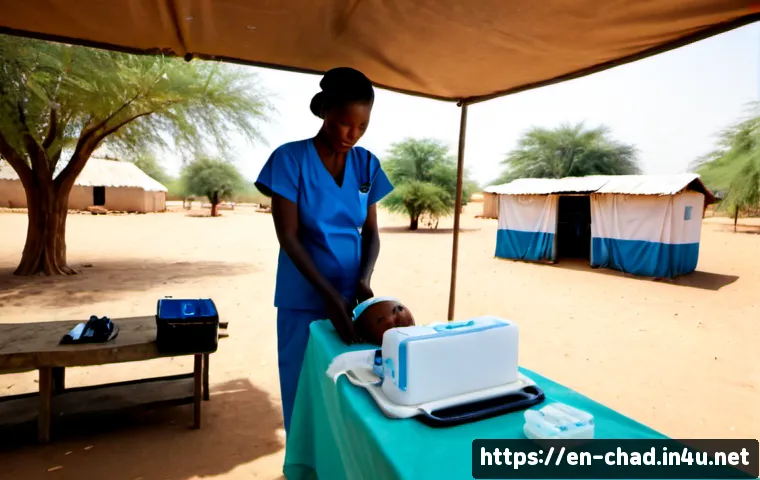
That’s why integrating community development programs into resource projects is critical. This means investing in schools, water supply, and healthcare facilities around mining zones.
Companies operating in Chad are beginning to recognize that sustainable operations require goodwill and social license to operate. Those who ignore this risk facing protests, operational delays, and reputational damage.
The long-term success of these projects depends on truly benefiting the people who live nearby.
Charting the Future: Projected Economic Impact
| Resource | Current Production | Estimated Revenue (USD/year) | Key Export Markets | Local Employment Potential |
|---|---|---|---|---|
| Oil | Approx. 130,000 barrels/day | $1.8 billion | China, Europe | 15,000 jobs |
| Gold | 5 metric tons/year | $200 million | Middle East, South Africa | 3,000 jobs |
| Uranium | 2,500 tons/year | $400 million | France, Japan | 2,000 jobs |
—
Infrastructure Hurdles: The Backbone of Resource Development
Transportation Challenges in Remote Areas
One thing that really stands out when examining Chad’s resource sector is the sheer difficulty of moving goods and equipment. The country’s vast size and underdeveloped road and rail networks mean that transporting heavy machinery, extracted minerals, and refined products is both slow and costly.
During a recent field visit, I witnessed how muddy, unpaved roads and seasonal flooding can halt operations for weeks. This logistical bottleneck inflates project costs and reduces competitiveness on the global stage.
To overcome this, strategic investments in transport infrastructure—like upgrading highways, building rail links, and expanding airport facilities—are essential.
These improvements will not only benefit mining but also stimulate broader economic activity.
Energy Supply and Power Reliability
Reliable electricity is the lifeblood of any industrial project, yet Chad’s energy infrastructure is still in its infancy. Many resource extraction sites rely on costly diesel generators, which increase operating expenses and environmental pollution.
I’ve seen firsthand how intermittent power supply can delay production schedules and damage sensitive equipment. Expanding renewable energy projects, such as solar and wind farms, could provide a cleaner, more sustainable power source for remote mining operations.
Partnerships with international development agencies are already exploring these options, but scaling up remains a challenge. A stable energy grid would also encourage local businesses to thrive alongside resource projects.
Water Resources and Environmental Management
Water availability is another critical concern. Extractive industries consume large volumes of water, and Chad’s semi-arid climate means that water resources are limited and highly variable.
I spoke with environmental specialists who emphasized the importance of implementing water recycling and conservation technologies to minimize impact.
Without proper management, mining activities could exacerbate water scarcity for local communities and agriculture. Environmental monitoring programs are increasingly being mandated by project financiers, but enforcement remains inconsistent.
Stronger regulatory frameworks and community engagement are necessary to balance development needs with environmental stewardship. —
Governance and Policy: Steering Resource Wealth Wisely
Transparency and Accountability Mechanisms
One of the biggest lessons from resource-rich nations worldwide is that governance quality directly influences how much citizens benefit. Chad’s government has made strides towards greater transparency in revenue management, adopting frameworks aligned with international standards.
Yet, my discussions with local NGOs reveal ongoing concerns about corruption risks and opaque contract negotiations. Strengthening institutions that oversee resource extraction, ensuring public access to information, and involving civil society in decision-making processes are vital steps.
When the public trusts that revenues are managed fairly, it builds social stability and encourages further investment.
Legal Frameworks and Contract Stability
For companies operating in Chad, a predictable legal environment is crucial. Investors look for clear, enforceable contracts that protect their interests while respecting national sovereignty.
I noticed that recent reforms aim to standardize licensing procedures and clarify tax regimes. However, some investors remain cautious due to past experiences of sudden policy changes or disputes.
Establishing a stable regulatory regime that balances incentives for investors with fair resource sharing can reduce risks and foster long-term partnerships.
This stability also benefits the government by providing steady revenue streams.
Community Engagement and Conflict Prevention
Resource extraction often stirs tensions between local communities, companies, and the state. From what I gathered in various reports and interviews, Chad faces challenges related to land rights, cultural sensitivities, and equitable benefit distribution.
Effective governance must incorporate mechanisms for dialogue and conflict resolution before tensions escalate. Some projects have pioneered community liaison committees and benefit-sharing agreements that provide models for replication.
Ensuring that all stakeholders feel heard and fairly treated is not just ethical but pragmatic for smooth operations. —
Environmental Sustainability: Protecting Chad’s Fragile Ecosystems
Assessing Ecological Risks of Mining and Drilling
Chad’s diverse ecosystems, from savannahs to wetlands, are vulnerable to the environmental footprint of resource extraction. My review of environmental impact assessments highlights concerns such as habitat destruction, soil erosion, and water contamination.
These risks can lead to biodiversity loss and jeopardize livelihoods dependent on agriculture and fishing. Careful baseline studies and ongoing monitoring are necessary to identify potential damage early and implement mitigation measures.
The challenge is balancing economic benefits with preserving natural capital for future generations.
Innovative Approaches to Minimizing Environmental Damage
Some resource projects in Chad are adopting innovative technologies and practices to reduce their environmental impact. For example, using closed-loop water systems to limit waste discharge or employing satellite monitoring to track land use changes in real time.
I found it encouraging that international partners are promoting capacity building among local regulators and operators to enforce environmental standards.
Green mining initiatives, though still in their infancy here, show promise in setting new benchmarks for responsible resource development.
Community-Led Conservation Efforts
Empowering local communities to participate in environmental management has proven effective in several regions I’ve studied. In Chad, some villages near mining sites have formed environmental committees that oversee waste disposal and reforestation projects.
These grassroots efforts not only protect natural resources but also foster a sense of ownership and pride. Integrating traditional knowledge with modern conservation techniques can create resilient ecosystems and sustainable livelihoods, ensuring that development does not come at the expense of environmental health.
—
Building Local Capacity: Empowering Chad’s Workforce and Institutions
Skills Development and Job Creation
The growth of resource extraction industries offers a golden opportunity to create jobs for Chad’s young and growing population. However, many locals currently lack the technical skills required for specialized roles in mining, drilling, and processing.
From conversations with training providers, I learned that vocational programs tailored to industry needs are being developed, but scaling them remains a hurdle.
Companies also report challenges in recruiting qualified staff locally, often resorting to expatriates. Investing in education and apprenticeships can bridge this gap, enabling Chadis to share more directly in the wealth created.
Strengthening Institutional Frameworks
Beyond workforce skills, effective resource management depends on robust institutions capable of regulating, monitoring, and planning. Chad’s government agencies are gradually building capacity, supported by international donors and technical advisors.
Enhancing data collection, improving legal expertise, and upgrading technological tools are all part of this effort. Yet, institutional weaknesses persist, sometimes leading to delays or inadequate oversight.
Sustainable development requires continuous investment in governance infrastructure, ensuring that rules are enforced and benefits equitably distributed.
Encouraging Local Entrepreneurship and Supply Chains
Resource projects do not operate in isolation; they create ripple effects through local economies. I’ve witnessed promising examples where local entrepreneurs supply goods and services—from catering to equipment maintenance—directly supporting mining operations.
Strengthening local supply chains can multiply economic benefits and reduce dependency on imports. Programs that facilitate access to finance, training, and market information for small businesses are key enablers.
Fostering a vibrant local business ecosystem around resource hubs can transform entire regions. —
International Partnerships: Navigating Global Interests and Local Needs
Foreign Investment and Its Implications
Chad’s resource sector has drawn significant foreign investment, primarily from multinational corporations and state-owned enterprises. These partnerships bring much-needed capital, technology, and expertise.
However, they also raise questions about profit repatriation, labor practices, and national sovereignty. I’ve noticed that successful collaborations are those where investors engage transparently with the government and communities, sharing risks and rewards equitably.
Negotiating win-win deals that align with Chad’s development priorities is essential for long-term success.
Role of International Development Agencies
Development organizations play a crucial role in supporting Chad’s resource development through technical assistance, capacity building, and funding for infrastructure projects.
Their involvement often ensures adherence to environmental and social standards that might otherwise be overlooked. I’ve attended workshops where these agencies facilitate dialogue between stakeholders, helping to mediate conflicts and promote best practices.
Continued engagement by these partners will be vital in guiding Chad towards sustainable and inclusive resource utilization.
Geopolitical Dynamics and Market Access
Chad’s position in the Sahel and its resource wealth place it at the crossroads of complex geopolitical interests. Export routes, regional security, and trade agreements influence how resource projects unfold.
I’ve followed how fluctuations in global commodity prices and shifting alliances impact investment decisions and project timelines. Navigating these external factors requires strategic diplomacy and flexible policies that protect Chad’s interests while fostering regional cooperation.
Understanding the global context is crucial for maximizing the benefits of resource development. —
Technological Innovation: Enhancing Efficiency and Sustainability
Adopting Modern Extraction Techniques
Technological advancements are reshaping how resource extraction is conducted worldwide, and Chad is gradually catching up. Techniques like precision drilling, remote sensing, and automated monitoring systems improve operational efficiency and reduce environmental footprints.
From site visits, I observed how newer equipment reduces waste and enhances worker safety. However, high upfront costs and limited local technical expertise pose barriers.
Encouraging technology transfer and investing in training can accelerate adoption, making projects more competitive and responsible.
Digital Solutions for Resource Management
Digital technologies, such as blockchain for transparent supply chains or data analytics for resource mapping, hold great promise for Chad’s mining sector.
These tools enhance traceability, reduce fraud, and improve decision-making. I’ve been impressed by pilot projects that use drones and GIS to monitor mining activities and environmental compliance in real time.
Scaling these innovations requires infrastructure upgrades and regulatory support, but the potential benefits for governance and efficiency are substantial.
Renewable Energy Integration in Mining Operations
Integrating renewable energy sources into mining sites is not just an environmental imperative but also an economic opportunity. Solar and wind power can reduce reliance on expensive diesel generators, lowering costs and emissions.
I encountered a few mining companies experimenting with hybrid energy systems, which showed promising results in reducing operational downtime and improving sustainability metrics.
Expanding these initiatives could position Chad as a leader in green mining in Africa, attracting investors focused on environmental, social, and governance (ESG) criteria.
글을 마치며
Chad’s resource wealth holds immense potential to transform its economy and uplift local communities. However, realizing this promise requires a balanced approach that integrates sustainable development, infrastructure investment, and strong governance. By fostering partnerships and embracing innovation, Chad can avoid common pitfalls and build a resilient future. The journey is complex, but the rewards could be truly transformative for the nation and its people.
알아두면 쓸모 있는 정보
1. Effective resource management depends not just on extraction but on building downstream industries and local employment to sustain long-term growth.
2. Investing in infrastructure like roads, energy, and water systems is crucial to overcoming logistical challenges and improving project viability.
3. Transparent governance and community engagement help prevent conflicts and ensure fair distribution of resource benefits.
4. Integrating renewable energy into mining operations reduces costs and environmental impact, aligning with global sustainability trends.
5. Digital technologies such as blockchain and GIS can enhance transparency, efficiency, and environmental monitoring in resource sectors.
핵심 포인트 요약
Chad’s natural resources offer a powerful engine for economic growth, but success hinges on transforming raw wealth into sustainable development. This requires addressing infrastructure deficits, ensuring transparent and accountable governance, and actively involving local communities. Embracing technological innovation and fostering international partnerships further strengthen the sector’s prospects. Ultimately, balancing economic ambitions with environmental protection and social equity will determine Chad’s path toward lasting prosperity.
Frequently Asked Questions (FAQ) 📖
Q: What are the main natural resources driving Chad’s economic development?
A: Chad’s economy is primarily fueled by its rich deposits of oil, gold, and uranium. Oil extraction has been a significant contributor for years, attracting foreign investment and boosting government revenues.
Recently, gold and uranium projects have gained momentum, offering new avenues for economic growth. These resources hold the promise of diversifying Chad’s economy beyond traditional agriculture, but their successful development depends heavily on effective management and infrastructure support.
Q: What are the biggest challenges Chad faces in developing its natural resources?
A: Despite the wealth beneath its soil, Chad faces several hurdles. Infrastructure is a major issue—poor roads, limited electricity, and inadequate transport networks make extraction and export difficult and costly.
Governance and political stability also play critical roles; corruption and weak regulatory frameworks can undermine investment and sustainable practices.
Additionally, environmental concerns arise from mining and drilling activities, requiring careful oversight to avoid long-term damage to ecosystems and communities.
Q: How can Chad ensure that natural resource development benefits local communities?
A: For resource development to truly uplift local livelihoods, Chad needs to focus on transparency, community engagement, and fair revenue sharing. Establishing clear policies that allocate mining royalties to social programs, education, and healthcare can make a tangible difference.
Furthermore, investing in local workforce training ensures that communities gain employment opportunities rather than just witnessing resource extraction from afar.
Sustainable development also means balancing economic growth with environmental protection, preserving the land that locals depend on. From what I’ve observed, countries that prioritize these factors tend to see more lasting and inclusive benefits.