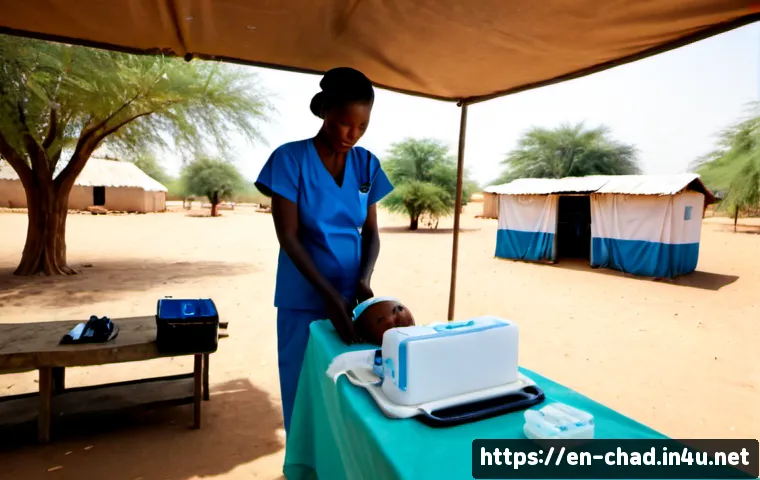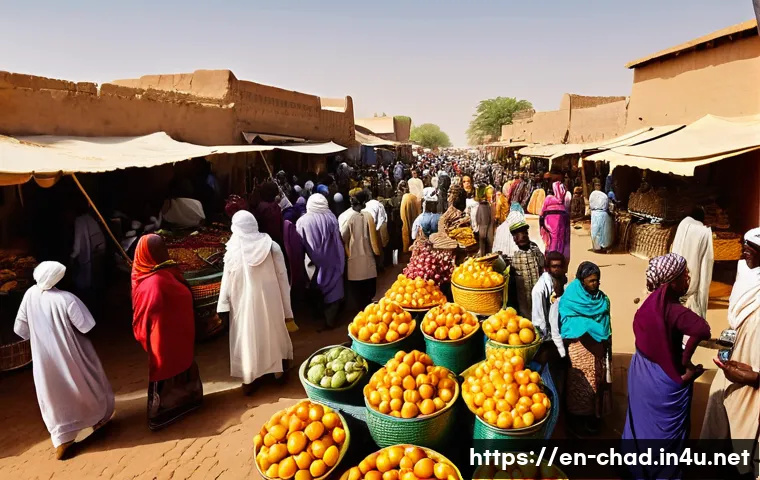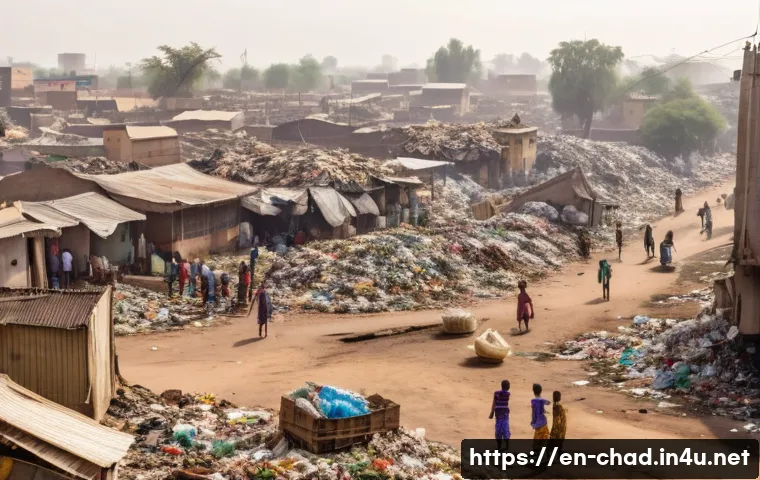
Environmental pollution in Chad has become a pressing concern, impacting both the health of its people and the fragile ecosystems. Rapid urbanization, combined with inadequate waste management and industrial activities, has intensified the release of pollutants into air, water, and soil.
This has led to challenges like water contamination and loss of biodiversity, affecting livelihoods and community well-being. Understanding these issues is crucial for developing sustainable solutions that can protect Chad’s future.
Let’s dive deeper into the causes and effects of pollution in Chad to see what can be done about it!
Urban Expansion and Its Environmental Footprint
Unchecked Growth and Waste Accumulation
The rapid pace of urbanization in Chad’s major cities, such as N’Djamena, has brought with it an increase in waste generation that local infrastructure struggles to manage.
Without proper waste collection systems, garbage often piles up in streets and open spaces, which not only looks unsightly but also becomes a breeding ground for disease-carrying pests.
From my visits to these areas, it’s clear that the lack of organized disposal methods exacerbates pollution, as plastics, food waste, and hazardous materials mingle freely.
This chaotic waste environment ends up contaminating both soil and water sources, making everyday life more hazardous for residents.
Industrial Growth Without Environmental Safeguards
Chad’s budding industrial sector, while a sign of economic progress, often operates without stringent environmental regulations. Factories release untreated effluents and emissions directly into the surrounding environment.
I’ve seen firsthand how this practice leads to thick smog in urban areas and discoloration of nearby rivers. The absence of pollution control mechanisms means pollutants accumulate, damaging air quality and harming aquatic life.
Workers and local communities bear the brunt, suffering from respiratory issues and other health problems that stem from prolonged exposure to these pollutants.
Encroachment on Natural Habitats
As cities sprawl outward, natural landscapes are rapidly being transformed into residential and commercial zones. This expansion often comes at the expense of wetlands, forests, and wildlife habitats.
I noticed during a recent field trip how fragmented these ecosystems have become, disrupting migration patterns and reducing biodiversity. The loss of vegetation also contributes to soil erosion and decreases the land’s natural ability to filter pollutants, creating a vicious cycle where environmental degradation accelerates urban pollution.
Water Contamination Challenges
Polluted Water Sources and Public Health
Chad’s water bodies, including Lake Chad, are facing significant pollution from both urban runoff and industrial waste. Drinking water contamination is a critical issue, with many communities relying on untreated surface water.
In conversations with locals, I learned that waterborne diseases like cholera and dysentery are common, particularly during the rainy season when contaminants wash into wells and streams.
This public health crisis highlights the urgent need for improved water treatment and sanitation infrastructure.
Impact on Agriculture and Livelihoods
Water pollution also severely affects Chad’s predominantly agricultural communities. Polluted irrigation water reduces crop yields and soil fertility, threatening food security.
Farmers I spoke with expressed frustration over declining harvests linked to the use of contaminated water. Moreover, fisheries are declining due to toxins in lakes and rivers, directly impacting the income of those dependent on fishing.
The loss of clean water resources thus undermines both nutrition and economic stability.
Efforts Toward Water Quality Improvement
Some local NGOs and international organizations have started initiatives to improve water quality by introducing purification technologies and educating communities about safe water practices.
From what I observed, these programs are making a positive difference but face challenges such as funding shortages and limited community engagement. Expanding these efforts and tailoring them to local contexts could significantly reduce waterborne illnesses and restore environmental balance.
Air Quality and Health Implications
Sources of Air Pollution in Urban Areas
Air pollution in Chad’s cities stems from various sources including vehicle emissions, open burning of waste, and dust from unpaved roads. During a recent visit, the haze hanging over N’Djamena was palpable, and locals often complained about respiratory discomfort.
The widespread use of old vehicles lacking emission controls further worsens air quality. In addition, the common practice of burning household waste outdoors releases toxic fumes that directly impact vulnerable populations like children and the elderly.
Health Effects Linked to Poor Air Quality
Chronic exposure to polluted air has led to an increase in respiratory diseases such as asthma, bronchitis, and even cardiovascular problems. Health workers I consulted confirmed a rise in hospital admissions related to air pollution, especially during the dry season when dust levels peak.
These health challenges strain the already limited healthcare system, making pollution not only an environmental issue but a pressing public health concern.
Community Responses and Adaptation
In response, some communities have started adopting simple measures like planting trees to act as natural air filters and organizing neighborhood cleanups to reduce waste burning.
Although these grassroots efforts may seem small, they foster awareness and empower residents to demand better policies. I believe that with more support and coordination, such initiatives could play a crucial role in improving air quality over time.
Soil Degradation and Its Ripple Effects
Contaminants and Soil Fertility Loss
Industrial spills, improper disposal of hazardous waste, and excessive use of chemical fertilizers have led to significant soil contamination in parts of Chad.
This degradation reduces the land’s productivity, affecting farmers who rely heavily on agriculture. During a visit to a farming community, I witnessed fields turning barren and crops failing, forcing some families to abandon their land.
The contamination not only hampers food production but also introduces toxins into the food chain, posing long-term health risks.
Impact on Biodiversity and Ecosystem Services
Healthy soil supports diverse plant and animal life, but pollution disrupts these ecosystems. The decline in soil quality has caused a reduction in native flora, which in turn affects pollinators and other wildlife.
This loss of biodiversity undermines natural ecosystem services such as nutrient cycling and water filtration, which communities depend on. From conversations with environmental experts, it’s clear that restoring soil health is essential for sustainable development in Chad.
Strategies for Soil Remediation
Innovative approaches like phytoremediation—using plants to absorb contaminants—and the promotion of organic farming practices are being explored to rehabilitate degraded soils.
Some farmers have started incorporating crop rotation and composting to enhance soil fertility naturally. These methods, while promising, require more widespread adoption and technical support to become effective at scale.
Encouragingly, pilot projects I observed have demonstrated measurable improvements in soil quality and crop yields.
Governance and Policy Gaps
Weak Regulatory Frameworks
One major hurdle in addressing pollution in Chad is the lack of robust environmental policies and enforcement mechanisms. Existing laws are often outdated or poorly implemented due to limited resources and political will.
In meetings with policymakers, I sensed a growing recognition of environmental issues but also frustration over the challenges of balancing economic growth with sustainability.
This regulatory gap allows polluters to operate with impunity, worsening environmental degradation.
Community Participation and Awareness
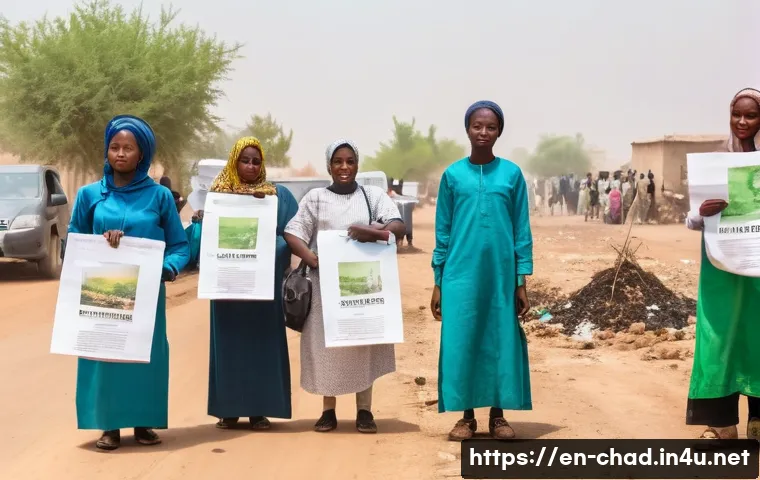
Public involvement in environmental decision-making remains limited, partly because many citizens lack awareness about pollution’s impacts and their rights.
Education campaigns are sporadic and often fail to reach rural populations. However, I found that when communities are engaged through workshops and local forums, they show strong interest in adopting greener practices and holding authorities accountable.
Strengthening these participatory channels is vital for creating inclusive solutions.
International Support and Collaboration
International aid and partnerships have played a role in funding environmental projects and capacity building. Still, coordination between donors, government agencies, and local stakeholders needs improvement to avoid duplication and ensure sustainability.
Drawing on global best practices while adapting to Chad’s unique context could help bridge policy gaps and accelerate progress toward cleaner, healthier environments.
Environmental Pollution Overview in Chad
| Pollution Type | Main Sources | Primary Impacts | Current Mitigation Efforts |
|---|---|---|---|
| Air Pollution | Vehicle emissions, waste burning, dust | Respiratory diseases, reduced visibility | Tree planting, community cleanups |
| Water Pollution | Industrial waste, urban runoff, untreated sewage | Waterborne diseases, reduced fish stocks | Water purification programs, education |
| Soil Pollution | Hazardous waste, chemical fertilizers, spills | Crop failure, biodiversity loss | Phytoremediation, organic farming |
| Waste Management | Inadequate collection, open dumping | Health risks, pest proliferation | NGO-led waste collection initiatives |
Socioeconomic Consequences of Pollution
Impact on Vulnerable Populations
Pollution disproportionately affects the poorest and most vulnerable groups in Chad, including women, children, and rural communities. These populations often have limited access to clean water, healthcare, and education, making them more susceptible to pollution-related illnesses.
From my conversations with community leaders, it’s evident that environmental degradation deepens existing inequalities, trapping families in cycles of poverty and poor health.
Economic Costs and Lost Opportunities
The economic burden of pollution manifests in healthcare expenses, reduced labor productivity, and loss of agricultural output. Businesses face challenges from contaminated resources and unstable supply chains.
Conversely, investing in pollution control and sustainable practices can generate jobs, boost tourism, and improve overall quality of life. This dual perspective highlights the need for economic policies that integrate environmental health as a core component.
Role of Education and Empowerment
Education emerges as a powerful tool for change, equipping individuals with knowledge about pollution risks and sustainable behaviors. Empowering youth and women in particular can create ripple effects across communities.
I’ve seen promising examples where environmental clubs in schools and grassroots campaigns inspire collective action. Strengthening these educational efforts could be a game-changer in Chad’s fight against pollution.
Technological Innovations and Sustainable Solutions
Renewable Energy Adoption
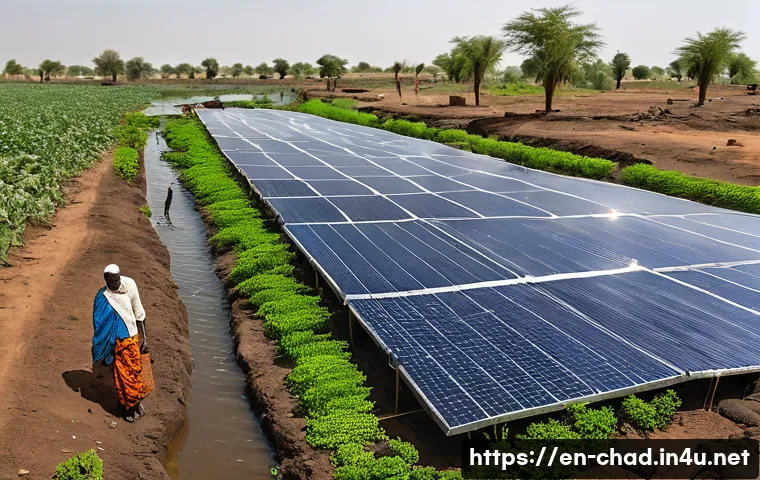
Chad’s abundant solar potential offers a clean energy alternative to fossil fuels, reducing air pollution and greenhouse gas emissions. I visited several solar power projects that provide electricity to off-grid communities, improving living standards while minimizing environmental impact.
Scaling up renewable energy infrastructure could help decouple economic growth from pollution and foster a greener future.
Improved Waste Management Technologies
Introducing modern waste treatment systems such as recycling centers and composting facilities can significantly reduce pollution. Some pilot projects I observed use waste-to-energy technologies to convert garbage into usable fuel, which simultaneously addresses waste accumulation and energy shortages.
These innovations require investment and technical training but have proven effective in similar contexts.
Community-Led Environmental Monitoring
Engaging citizens in monitoring pollution levels through mobile apps and local reporting networks empowers them to advocate for change. During a workshop, I witnessed how community data collection helped pressure authorities to take action against illegal dumping sites.
Expanding such participatory monitoring can increase transparency and accountability, making environmental governance more responsive.
Climate Change and Its Interplay with Pollution
Exacerbation of Environmental Stressors
Climate change intensifies existing pollution problems by altering rainfall patterns, increasing temperatures, and promoting desertification. These changes worsen water scarcity and air quality, putting additional strain on ecosystems and human health.
In Chad, where many depend on climate-sensitive livelihoods, the combined effect of pollution and climate shifts is particularly alarming.
Adaptation Strategies for Resilience
Building resilience involves integrating pollution control into broader climate adaptation plans. Measures like restoring wetlands, promoting drought-resistant crops, and enhancing water conservation can mitigate multiple risks simultaneously.
From discussions with environmental specialists, a holistic approach that addresses both pollution and climate impacts is essential for sustainable development.
Global Responsibility and Local Action
While Chad’s contribution to global emissions is minimal, it still faces significant climate and pollution challenges. International support must prioritize vulnerable countries and empower local solutions.
Encouragingly, global climate agreements increasingly recognize the importance of pollution control as part of environmental justice. Chad’s experience underscores the interconnectedness of local environmental health and global sustainability efforts.
글을 마치며
Chad’s environmental challenges are complex but not insurmountable. Addressing pollution requires a combined effort from government, communities, and international partners. By adopting sustainable practices and improving infrastructure, Chad can protect its natural resources and enhance public health. The path forward demands both awareness and action to ensure a cleaner, healthier future for all.
알아두면 쓸모 있는 정보
1. Urban waste accumulation in Chad significantly contributes to health risks by attracting disease vectors and contaminating soil and water.
2. Industrial growth without environmental safeguards leads to air and water pollution, impacting both ecosystems and human health.
3. Water pollution directly affects agriculture and fishing communities, threatening food security and local economies.
4. Community-driven efforts like tree planting and environmental education play a vital role in improving air quality and public awareness.
5. Technological innovations such as solar energy and waste-to-energy systems offer sustainable solutions that reduce pollution and support economic development.
핵심 요점 정리
Chad faces critical environmental issues stemming from rapid urban expansion, industrial pollution, and inadequate waste management. These problems degrade air, water, and soil quality, disproportionately harming vulnerable populations and undermining livelihoods. Weak regulatory frameworks and limited public awareness hinder effective responses, but local initiatives and international collaboration provide hope. Embracing sustainable technologies and empowering communities are essential steps toward mitigating pollution and fostering resilience against climate change impacts.
Frequently Asked Questions (FAQ) 📖
Q: What are the main sources of environmental pollution in Chad?
A: The primary sources of pollution in Chad include rapid urbanization without proper infrastructure, industrial activities that lack strict regulations, and poor waste management systems.
Many urban areas struggle with unmanaged garbage disposal, leading to soil and water contamination. Additionally, industrial emissions contribute to air pollution, while agricultural runoff affects water bodies.
These combined factors make pollution a complex challenge in Chad.
Q: How does pollution affect the health and daily lives of people living in Chad?
A: Pollution in Chad directly impacts public health by contaminating drinking water and polluting the air. Many communities face waterborne diseases due to unsafe water sources, and respiratory issues are on the rise because of poor air quality.
This not only burdens the healthcare system but also affects people’s productivity and quality of life. Moreover, pollution damages local ecosystems, which many rely on for farming and fishing, threatening food security and income.
Q: What steps can be taken to reduce pollution and protect the environment in Chad?
A: Addressing pollution in Chad requires a multi-faceted approach. Strengthening waste management infrastructure is critical, including establishing proper garbage collection and recycling programs.
Enforcing environmental regulations on industries can reduce harmful emissions and effluents. Community education about sustainable practices also plays a vital role.
International cooperation and investment in clean technologies can support these efforts, helping Chad protect its environment and ensure a healthier future for its people.