Chad, a country often overshadowed by its vast deserts and rich cultural tapestry, has unfortunately witnessed several significant terrorist attacks over the years.
These events have not only impacted national security but also influenced regional stability in Central Africa. Understanding the roots and repercussions of these incidents is crucial for grasping the broader challenges Chad faces today.
From militant groups exploiting porous borders to complex political dynamics, the landscape of terrorism here is both intricate and alarming. Let’s dive deeper to uncover the details and implications of these major attacks.
We’ll explore the facts clearly and thoroughly ahead.
Complex Networks Behind Terrorism in Chad
Militant Groups Exploiting Regional Borders
The porous borders of Chad have long been a gateway for militant groups to infiltrate and execute attacks. Groups like Boko Haram and ISIS affiliates have taken advantage of the vast and often unmonitored desert and forested areas to move weapons, fighters, and resources.
This border vulnerability creates a continuous challenge for Chad’s military, which struggles to patrol such expansive and difficult terrain. The nature of these groups is not just local but transnational, linking Chad’s security issues to a broader regional context involving Nigeria, Sudan, and the Central African Republic.
Their mobility and adaptability make it extremely hard to anticipate or prevent attacks, which often occur in remote villages, leaving civilians vulnerable and isolated.
Political Instability as a Catalyst
Chad’s internal political environment has contributed significantly to the rise of terrorism within its borders. Political unrest, coupled with weak governance in certain regions, creates fertile ground for extremist ideologies to take root.
Disenfranchised groups or communities feeling marginalized by the central government sometimes become easy recruits for terrorist factions. Furthermore, the government’s focus on broader security threats occasionally sidelines local grievances, which fuels resentment and indirectly supports insurgent narratives.
This cycle of instability and terrorism feeds into itself, with each attack undermining public confidence and making governance even more challenging.
The Role of External Influences
Foreign interventions and international alliances also play a nuanced role in Chad’s security landscape. While support from countries like France and the United States provides military aid and intelligence sharing, it sometimes complicates local dynamics.
External actors tend to prioritize counterterrorism over addressing underlying socio-economic issues, which can alienate local populations. Moreover, the influx of weapons and funding—whether from foreign governments or illicit networks—intensifies the conflict environment.
Understanding how these international factors intersect with local realities is key to grasping the full picture of terrorism in Chad.
Impact of Terrorist Attacks on Chad’s Society
Humanitarian Crisis and Displacement
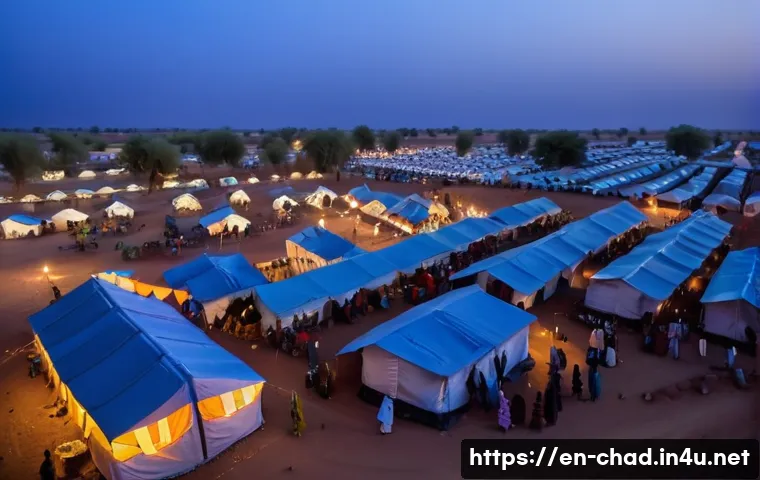
Repeated terrorist attacks have triggered severe humanitarian consequences, including mass displacement and food insecurity. Entire communities have been uprooted as militants target villages, forcing residents to flee to overcrowded camps or urban areas.
These displacements strain Chad’s already limited infrastructure and social services, heightening the risk of disease outbreaks and malnutrition. The psychological toll on survivors is profound, with trauma and fear becoming everyday experiences.
Humanitarian organizations often face logistical challenges and security risks when attempting to deliver aid, further complicating relief efforts.
Economic Consequences of Insecurity
Terrorism has a crippling effect on Chad’s economy, especially in the most affected regions. Agricultural activities decline as farmers abandon their lands, leading to reduced food production and higher prices.
Trade routes become unsafe, disrupting commerce and increasing transportation costs. Foreign investment hesitates due to the unstable security environment, limiting job opportunities and economic growth.
The government’s budget increasingly prioritizes military expenditure over development projects, which stalls progress in education, healthcare, and infrastructure.
These economic hardships amplify social tensions, making it harder to break the cycle of violence.
Long-term Social Fragmentation
Beyond immediate physical harm, terrorist attacks deepen social divisions within Chad. Ethnic and religious fault lines can be exploited by extremist groups to recruit and justify violence.
Communities sometimes turn against one another, fueled by suspicion and retaliation cycles. This fragmentation undermines national unity and complicates reconciliation efforts.
Education systems and youth programs struggle to counter radicalization effectively, leaving younger generations vulnerable. The social fabric’s erosion is one of the most challenging aspects to repair, as it requires both security and sustained community engagement.
Security Strategies and Government Responses
Military Operations and Border Control
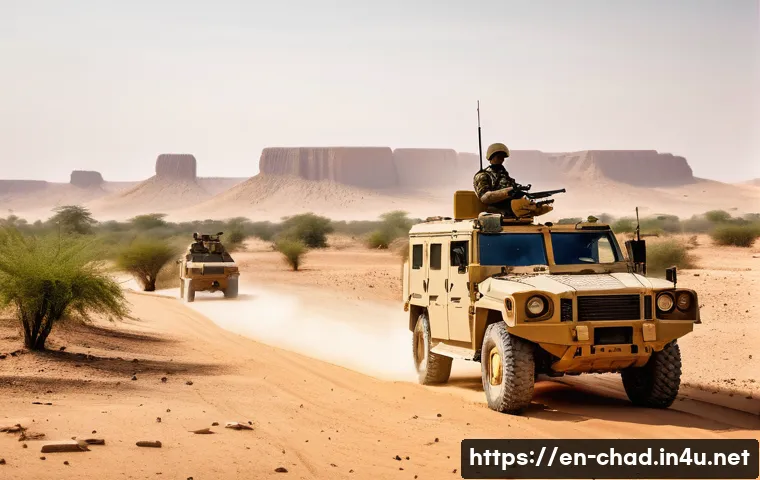
Chad’s government has ramped up military operations aimed at reclaiming territory and disrupting terrorist cells. This includes deploying troops to border regions and conducting joint patrols with neighboring countries.
The military also uses aerial surveillance and intelligence-sharing agreements to improve situational awareness. However, challenges remain in balancing aggressive counterterrorism tactics with protecting civilian populations.
In some cases, military actions have unintentionally displaced communities or caused collateral damage, which can fuel local resentment and undermine trust.
Community Engagement and Intelligence Gathering
Recognizing that military force alone cannot solve the problem, Chad has increasingly focused on community-based approaches. Local leaders and civil society organizations are involved in reporting suspicious activities and mediating conflicts.
These grassroots efforts improve intelligence collection and help build resilience against extremist recruitment. Programs aimed at youth empowerment, education, and economic opportunities are part of this strategy, though funding and capacity are often limited.
The government’s ability to foster cooperation between security forces and communities is critical to sustaining peace.
International Partnerships and Aid
Chad collaborates with various international bodies and foreign governments to strengthen its counterterrorism capabilities. Military training, equipment provision, and financial aid are key components of this cooperation.
Organizations such as the United Nations and the African Union also play roles in facilitating peacekeeping missions and humanitarian assistance. However, sustaining these partnerships requires transparency and accountability to avoid dependence or perceptions of neocolonialism.
The success of international support hinges on aligning with Chad’s national priorities and respecting its sovereignty.
Patterns and Trends in Terrorist Activity
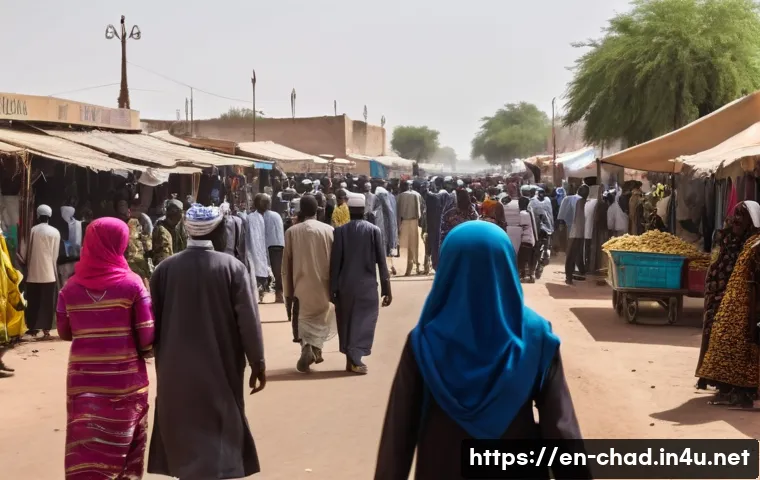
Geographic Concentration of Attacks
Terrorist attacks in Chad tend to cluster in specific regions, particularly near the Lake Chad Basin and the eastern border areas. These locations are strategic for militants due to their remoteness and proximity to other conflict zones.
The frequency of attacks in these zones has fluctuated, often correlating with regional military campaigns or political developments. Understanding these geographic patterns helps security forces allocate resources more effectively and anticipate potential hotspots.
It also reveals how terrain and local dynamics shape the nature of terrorism in Chad.
Evolution of Tactics and Targets
Over time, the methods employed by terrorist groups in Chad have evolved significantly. Early attacks were often limited to small-scale raids or ambushes, but recent incidents show increased sophistication, including suicide bombings and coordinated assaults on military bases and marketplaces.
Civilians have become frequent targets, either as a tactic to spread fear or due to underlying communal tensions. The use of improvised explosive devices (IEDs) and guerrilla warfare techniques reflects a growing tactical adaptability.
This evolution demands continuous updates to counterterrorism strategies and training.
Seasonal and Political Influences on Attack Frequency
Attack patterns in Chad sometimes correlate with seasonal cycles and political events. For example, certain periods of the year see spikes in violence, often linked to dry seasons when militants find it easier to move through desert areas.
Political milestones, such as elections or government transitions, also tend to trigger increased activity, as groups attempt to exploit perceived vulnerabilities or gain leverage.
These temporal trends highlight the importance of timing in both offensive and defensive operations. Monitoring these cycles allows for better anticipation and response.
Consequences for Regional Stability
Cross-border Spillover Effects
Terrorism in Chad does not exist in isolation; it frequently spills over into neighboring countries, destabilizing the entire Central African region. Cross-border raids, refugee flows, and arms trafficking link Chad’s security challenges with those of Nigeria, Cameroon, Niger, and Sudan.
This interconnectedness necessitates regional cooperation, yet political differences and mistrust sometimes hinder unified responses. The porous nature of borders means that any success in one country can be quickly undermined by weaknesses in another, making regional stability a collective responsibility.
Impact on Refugee and Migration Patterns
The violence in Chad has contributed to complex migration patterns across Central Africa. Refugees fleeing terror attacks add to the burden on host countries, which often face their own security and economic difficulties.
These population movements can exacerbate tensions in border communities and create humanitarian crises in refugee camps. Additionally, displaced individuals may become targets for recruitment by armed groups, perpetuating cycles of violence.
Managing migration flows and providing protection are critical challenges that require coordinated international efforts.
Regional Security Initiatives and Challenges
Several regional security frameworks aim to address terrorism and instability, including the Multinational Joint Task Force (MNJTF) and the G5 Sahel. Chad plays an active role in these initiatives, contributing troops and intelligence.
While progress has been made in disrupting terrorist networks, persistent challenges remain—such as funding shortages, coordination difficulties, and varying political will among member states.
The success of regional efforts depends on sustained commitment, improved communication, and addressing the root causes of instability beyond military solutions.
Summary of Major Terrorist Incidents in Chad
| Date | Location | Group Responsible | Type of Attack | Casualties | Impact |
|---|---|---|---|---|---|
| June 2015 | Baga Sola | Boko Haram | Massacre and village raid | Over 40 civilians killed | Mass displacement and heightened military presence |
| February 2019 | N’Djamena | ISIS affiliate | Suicide bombing at market | More than 30 dead, dozens injured | Increased security checkpoints and public fear |
| April 2021 | Lac Region | Boko Haram | Attack on military base | 20 soldiers killed | Military retaliation and regional cooperation intensified |
| December 2022 | Lake Chad area | Unknown militants | Ambush on convoy | 15 civilians and soldiers killed | Disruption of humanitarian aid routes |
글을 마치며
Understanding the complex networks behind terrorism in Chad reveals how deeply intertwined regional, political, and social factors are in fueling violence. Despite ongoing challenges, efforts combining military action, community engagement, and international cooperation offer hope for progress. Addressing both immediate threats and underlying causes is crucial to building lasting peace. Only through coordinated and inclusive strategies can Chad hope to restore stability and protect its people.
알아두면 쓸모 있는 정보
1. Chad’s porous borders make it a hotspot for transnational militant movements, complicating security efforts across multiple countries.
2. Political instability and weak governance often create environments where extremist groups can recruit and operate with relative ease.
3. Terrorist attacks have severe humanitarian consequences, including displacement, food insecurity, and psychological trauma.
4. Effective counterterrorism requires a balanced approach, combining military operations with community-based programs and international partnerships.
5. Seasonal and political cycles influence the timing and intensity of attacks, highlighting the need for adaptive security strategies.
중요 사항 정리
Chad faces a multifaceted terrorism challenge shaped by porous borders, political unrest, and external influences. The human and economic toll is significant, with displacement and social fragmentation threatening long-term stability. Government responses must balance force with community engagement, supported by international cooperation that respects Chad’s sovereignty. Regional collaboration remains essential, as instability in Chad directly impacts neighboring countries. Continuous adaptation to evolving tactics and local dynamics is key to effective counterterrorism and sustainable peacebuilding.
Frequently Asked Questions (FAQ) 📖
Q: What are the main causes behind the terrorist attacks in Chad?
A: The terrorist attacks in Chad are primarily driven by a combination of factors including porous borders, which allow militant groups from neighboring countries to infiltrate, and local political instability.
Groups like Boko Haram and ISIS affiliates exploit the weak security infrastructure, taking advantage of ethnic tensions and economic hardships in the region.
Additionally, Chad’s strategic location in Central Africa makes it a focal point for various extremist networks aiming to expand their influence.
Q: How have these terrorist attacks affected Chad’s national security and regional stability?
A: The attacks have significantly strained Chad’s national security, forcing the government to allocate more resources to military and counterterrorism efforts.
This shift often comes at the expense of economic and social development. Regionally, these incidents have heightened tensions among Central African countries, as militants cross borders freely, destabilizing neighboring states like Nigeria, Cameroon, and Sudan.
The ongoing violence hampers cooperation and development projects, making it harder to achieve lasting peace in the region.
Q: What measures has Chad taken to combat terrorism and prevent future attacks?
A: Chad has implemented a multi-faceted approach including increased military patrols along its borders, intelligence sharing with neighboring countries, and collaboration with international partners like France and the African Union.
The government has also launched community outreach programs aimed at reducing recruitment into extremist groups by addressing poverty and social grievances.
While progress has been made, challenges remain due to limited resources and the complex nature of the threat, requiring sustained effort and regional cooperation.