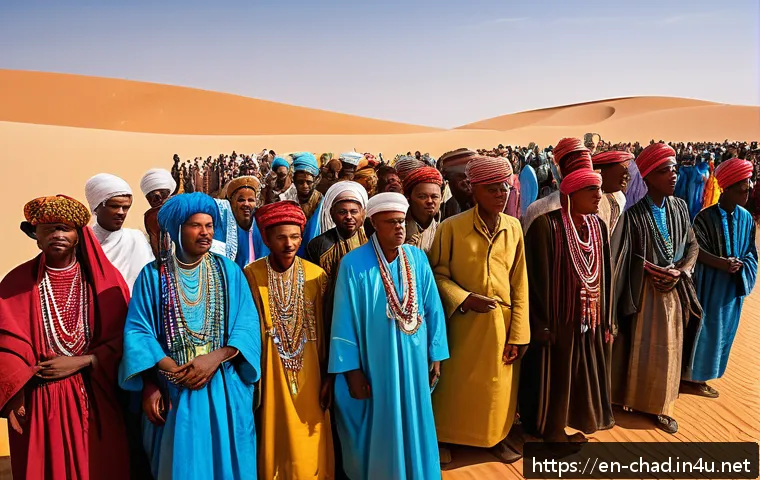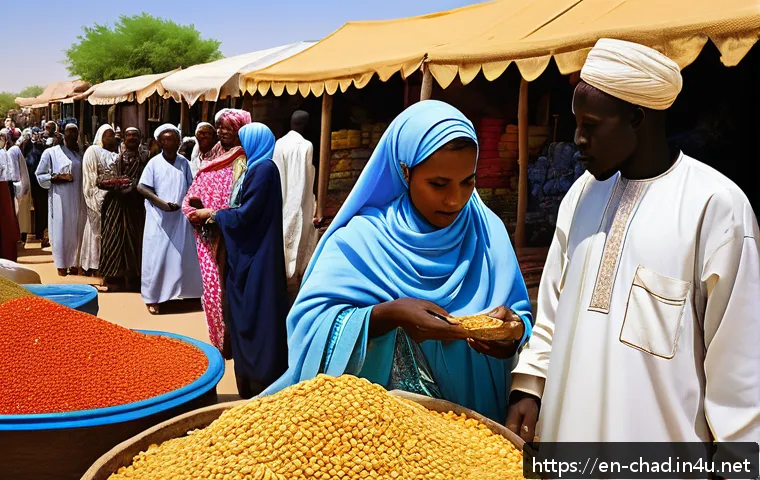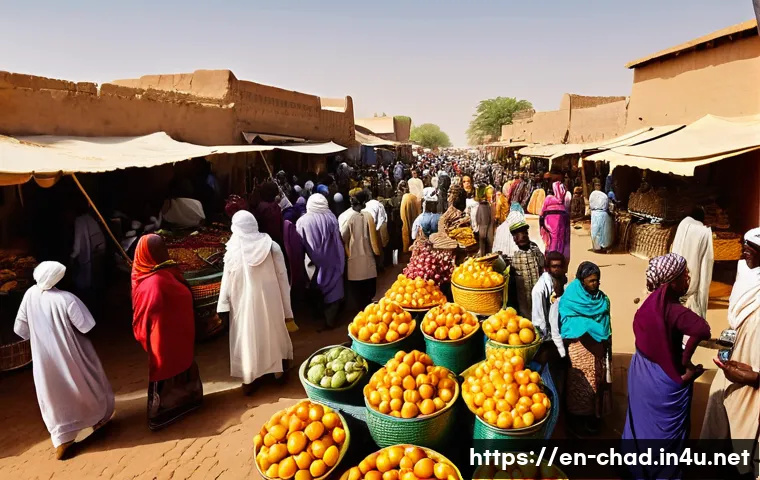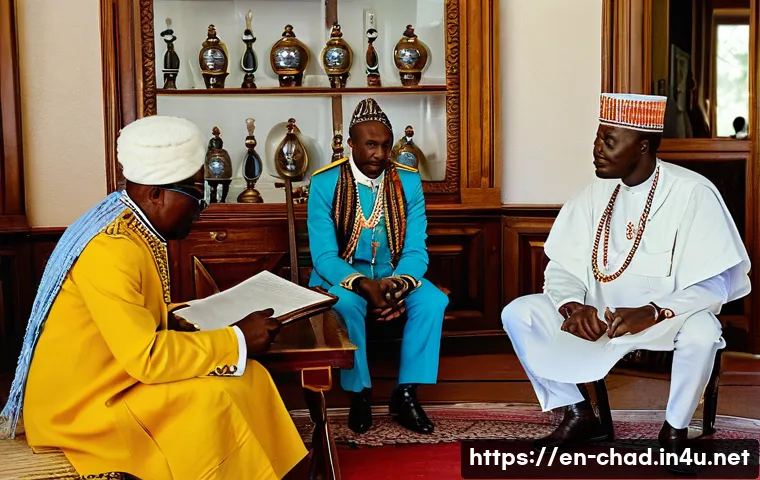
The journey to Chad’s independence is a compelling story marked by resilience and determination. From colonial rule to the challenges of nation-building, Chad’s history reflects the broader struggles faced by many African countries during the mid-20th century.
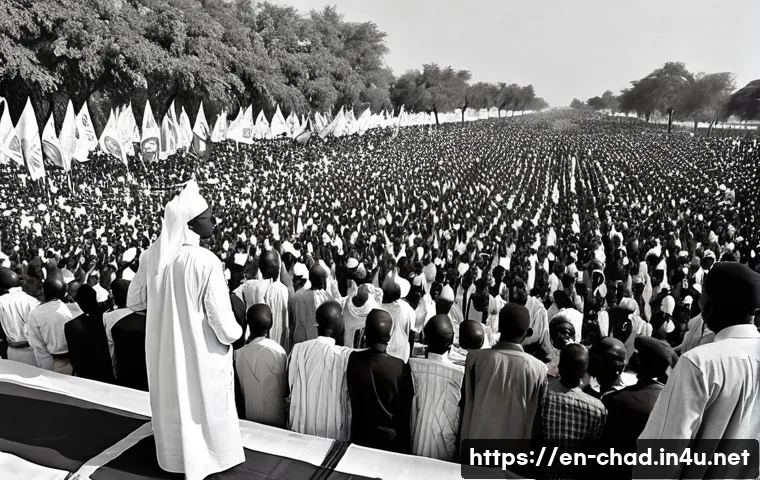
Understanding this process reveals not only political shifts but also cultural and social transformations that shaped modern Chad. Exploring the key events and figures involved gives us deeper insight into how this landlocked nation carved out its sovereignty.
Let’s dive into the fascinating details and uncover the full story behind Chad’s path to independence. Get ready to learn all about it!
The Influence of Colonial Powers on Chad’s Early Political Landscape
French Colonial Administration and Its Impact
The French colonial rule, established in the early 20th century, deeply influenced Chad’s political and social structures. French administrators imposed centralized governance, often disregarding the diverse ethnic and cultural groups within the territory.
This top-down approach created tensions that would later challenge nation-building efforts. The French also introduced a system of indirect rule, relying on local chiefs but ultimately subordinating them to French authority.
I remember reading how this created a legacy of fragmented leadership, as many local leaders found themselves caught between traditional roles and colonial expectations.
The education system introduced by the French primarily benefited a small elite, which later played a crucial role in the independence movement.
Resistance Movements During Colonial Rule
Despite the oppressive colonial framework, various resistance movements emerged across Chad, reflecting the resilience of its people. These movements were often localized, tied to specific ethnic groups or regions, but they shared a common desire for autonomy.
One striking example was the rebellion led by the Ouaddai Empire remnants, which resisted French encroachment fiercely. Additionally, the spread of pan-African ideas and the influence of independence movements in neighboring countries inspired many Chadians.
From what I’ve gathered, these early resistances laid the groundwork for a more unified push towards independence later on, showing that even under harsh conditions, the spirit of self-determination was alive and growing.
The Role of World War II in Shaping Political Awareness
World War II was a turning point for many African colonies, including Chad. The war effort demanded resources and manpower, leading to increased recruitment of Chadians into the French military.
This experience exposed many soldiers to ideas of liberty and equality, which contrasted sharply with their colonial reality at home. Veterans returned with a new sense of political awareness and a desire for change.
The war also weakened French authority globally, emboldening nationalist leaders in Chad to demand greater political rights. In my experience exploring similar contexts, such global conflicts often accelerate local independence movements by highlighting contradictions in colonial rule.
Emergence of Nationalist Leaders and Political Parties
Founding of Key Political Organizations
The 1940s and 1950s saw the rise of political parties and organizations that became the backbone of Chad’s independence movement. Groups like the Chadian Progressive Party (PPT), led by Gabriel Lisette, played a pivotal role in mobilizing support for self-rule.
Lisette, an influential figure with a background in education and civil service, managed to unite diverse ethnic groups under a common political platform advocating for gradual autonomy.
These organizations also engaged in negotiations with French authorities, demanding reforms and increased representation. From my perspective, the formation of such parties was crucial in transforming scattered discontent into a coherent political force capable of challenging colonial power.
Influence of Pan-Africanism and Regional Cooperation
The ideas of pan-Africanism deeply resonated with Chadian leaders and intellectuals. They saw independence not just as a national goal but part of a broader continental liberation struggle.
Collaboration with leaders from neighboring countries and participation in regional organizations helped build momentum. For example, interactions with figures like Léopold Sédar Senghor of Senegal provided ideological inspiration and practical support.
This cross-border solidarity was vital because it framed Chad’s independence within a larger context of African unity and empowerment, which was especially motivating for younger activists at the time.
Challenges Within the Nationalist Movement
Despite shared goals, the nationalist movement in Chad was not without internal conflicts. Ethnic divisions, religious differences, and regional loyalties sometimes hindered unity.
Leaders had to constantly negotiate these tensions to maintain a united front against colonial powers. For instance, the Muslim-majority north and the Christian/animist south had divergent political interests, complicating consensus-building.
I found that such complexities are common in diverse societies undergoing rapid political change, making the eventual success of Chad’s independence all the more remarkable.
Negotiations and Legal Frameworks Leading to Autonomy
Constitutional Reforms and the French Union
After World War II, France restructured its relationship with its colonies, creating the French Union in 1946. This offered limited political participation to colonies like Chad but fell short of full independence.
Chad gained representation in the French parliament, which allowed nationalist leaders to push for greater autonomy within a legal framework. The process was slow and often frustrating, with many compromises required.
Yet, it provided a platform for Chadians to influence policies and prepare for eventual self-government. I’ve observed that such incremental changes often build critical political experience for emerging nations.
The 1958 Referendum and Its Significance
A key moment came in 1958 when France proposed the creation of the French Community, offering colonies a choice between immediate independence or autonomy within the community.
Chad voted to join the French Community, signaling a cautious approach to independence. This decision reflected both political pragmatism and the complex realities on the ground, where many feared instability without gradual transition.
The referendum paved the way for internal self-government, with Chad gaining more control over its affairs. Looking back, this strategic step allowed leaders to build institutions and governance structures essential for full sovereignty.
Building Administrative and Political Institutions
The period between 1958 and 1960 was critical for institution-building. Chadian leaders worked to establish administrative frameworks, legal systems, and political bodies that could function independently.
This involved training civil servants, drafting constitutions, and creating electoral processes. It was a challenging task, given the limited resources and experience, but necessary for legitimacy both domestically and internationally.
I think this phase often gets overlooked, but it’s where the foundation for stable governance was laid, even if future challenges would test it severely.
Key Figures Who Shaped Chad’s Independence
Gabriel Lisette: The Visionary Leader
Gabriel Lisette was arguably the most influential figure in Chad’s independence movement. Born in the Caribbean but deeply invested in African affairs, he brought education and political savvy to the forefront.
Lisette’s leadership of the PPT and his ability to navigate French political structures helped gain international attention for Chad’s cause. He was a unifying figure despite ethnic divisions and advocated for peaceful transition.
I find his story fascinating because it shows how external influences and local leadership combined to drive change.
François Tombalbaye’s Role and Legacy
François Tombalbaye succeeded Lisette and became the first president of independent Chad. His leadership was marked by efforts to consolidate power and assert national identity, but also by increasing authoritarianism and ethnic favoritism.
While he was instrumental in achieving independence, his tenure revealed the complexities of post-colonial governance. Tombalbaye’s policies often alienated northern populations, leading to unrest.
Reflecting on his legacy, I realize how independence leaders frequently face the difficult task of balancing unity with diverse interests in newly formed states.
Contributions of Other Political and Cultural Leaders
Beyond Lisette and Tombalbaye, numerous other leaders contributed to Chad’s independence. Regional chiefs, intellectuals, and activists played roles in mobilizing communities and shaping political discourse.
Women’s groups and religious leaders also influenced public opinion and encouraged participation. This broad coalition was essential for sustaining momentum and legitimacy.
From what I’ve learned, successful independence movements often rely on a wide range of contributors, not just prominent politicians.

Socio-Cultural Transformations During the Independence Era
Impact on Ethnic Identities and Social Structures
The independence movement and subsequent nation-building efforts deeply affected ethnic identities and social hierarchies in Chad. Colonial policies had exacerbated divisions, but the post-independence government sought to create a national identity that transcended ethnic lines.
This was a monumental challenge given Chad’s diversity, with over 200 ethnic groups. I read about initiatives promoting national languages and symbols to foster unity, though their success was mixed.
This process illustrates how political change can reshape social realities, sometimes creating new tensions even as old ones are addressed.
Changes in Education and Cultural Expression
Education became a focal point for shaping a modern Chadian identity. After independence, there was a push to expand access to schooling and incorporate local history and culture into curricula.
Cultural expressions such as music, dance, and literature also flourished, reflecting pride in national heritage. However, resources remained limited, and disparities persisted between urban and rural areas.
From my experience with similar contexts, investing in culture and education is vital for long-term stability and pride, even if progress is gradual.
Religious Dynamics and Their Political Implications
Religion played a significant role in shaping Chad’s social fabric during this period. The north’s predominantly Muslim population and the south’s Christian and animist communities had different historical experiences and political priorities.
Post-independence leaders had to carefully manage these religious dynamics to avoid alienation and conflict. Efforts to promote religious tolerance were ongoing but often challenged by political manipulation of religious identities.
I find this intersection of religion and politics critical in understanding Chad’s complex path toward cohesive nationhood.
Challenges Faced After Gaining Independence
Political Instability and Early Conflicts
Shortly after gaining independence in 1960, Chad faced significant political instability. The fragile unity built during the independence movement began to unravel as regional and ethnic rivalries intensified.
Armed rebellions erupted, particularly in the north, fueled by grievances over representation and resource distribution. The central government struggled to maintain control, leading to cycles of violence and repression.
From what I’ve studied, this pattern is unfortunately common in post-colonial states where colonial borders lump diverse groups together without adequate mechanisms for power-sharing.
Economic Difficulties and Development Hurdles
Economically, Chad inherited a weak infrastructure and a largely subsistence-based economy. The new government had to address poverty, limited industry, and inadequate transportation networks.
Efforts to develop oil resources and agriculture were hampered by political turmoil and lack of investment. I recall reading about how these economic challenges constrained the government’s ability to provide services and improve living standards, which in turn fueled further discontent.
This vicious cycle made early nation-building efforts particularly arduous.
International Relations and Cold War Context
Chad’s independence occurred during the Cold War, which influenced its international alignments and internal politics. Both Western and Eastern blocs sought to expand influence in Africa, offering aid and political support but also exacerbating local conflicts.
Chad’s leadership had to navigate these pressures carefully, balancing sovereignty with the need for external assistance. I find it interesting how global geopolitics often shaped the destinies of newly independent nations, adding layers of complexity to their challenges.
Summary of Key Milestones in Chad’s Independence Journey
| Year | Event | Significance |
|---|---|---|
| 1900s | French Colonial Establishment | Beginning of formal French rule shaping political structure |
| 1946 | Creation of the French Union | Allowed limited political representation for Chad |
| 1958 | French Community Referendum | Chad opts for autonomy within the French Community |
| 1960 | Official Independence | Chad becomes a sovereign nation on August 11 |
| 1960s-1970s | Political Instability and Conflicts | Post-independence struggles with unity and governance |
Legacy and Lessons from Chad’s Independence Movement
Enduring Impact on National Identity
The independence movement has left a lasting imprint on Chad’s national identity, emphasizing resilience amid diversity. Despite ongoing challenges, the initial efforts to unify different groups under a shared vision continue to inspire political discourse and cultural expression.
I’ve seen how these foundational moments become reference points for national pride and aspirations in many countries.
Insights into Post-Colonial Governance
Chad’s journey offers valuable lessons about the complexities of transitioning from colonial rule to self-governance. The difficulties of managing ethnic diversity, building institutions, and ensuring economic stability highlight the multifaceted nature of independence.
Reflecting on Chad’s experience, it’s clear that political will and inclusive policies are critical for sustainable development.
Relevance to Contemporary African Politics
Finally, Chad’s story resonates with broader themes in contemporary African politics, such as the importance of unity, the challenges of external influence, and the need for effective leadership.
Understanding this history enriches our perspective on current events and the ongoing quest for stability and prosperity across the continent. From my viewpoint, engaging with such histories deepens appreciation for the struggles and successes that shape modern nations.
In Conclusion
Chad’s journey to independence was marked by complex challenges and remarkable resilience. The legacy of colonial influence, combined with the determination of nationalist leaders, shaped the nation’s early political landscape. Understanding this history helps us appreciate the ongoing efforts toward unity and development in Chad today. It’s a powerful reminder of how diverse societies navigate change and strive for sovereignty.
Useful Information to Know
1. The French colonial system in Chad relied heavily on indirect rule, which created lasting divisions among local leaders.
2. World War II played a significant role in raising political awareness among Chadian soldiers, fueling the independence movement.
3. The 1958 referendum was a strategic step that allowed Chad to gain autonomy before full independence in 1960.
4. Ethnic and religious diversity in Chad has been both a source of cultural richness and political complexity.
5. Post-independence challenges included political instability and economic development hurdles, common in many newly independent nations.
Key Takeaways
Chad’s path to sovereignty highlights the importance of inclusive leadership and institution-building in post-colonial states. The interplay between ethnic diversity and political unity remains central to its stability. Additionally, external influences, such as colonial legacies and global geopolitics, significantly impacted Chad’s early governance and development. Recognizing these factors offers valuable insights into the broader challenges faced by emerging nations worldwide.
Frequently Asked Questions (FAQ) 📖
Q: What were the main challenges Chad faced during its journey to independence?
A: Chad’s path to independence was fraught with numerous challenges, including managing diverse ethnic groups, navigating colonial legacies, and addressing economic underdevelopment.
The country had to unify various communities with distinct languages and cultures under a single national identity. Additionally, transitioning from French colonial rule meant building new political institutions almost from scratch, all while dealing with limited infrastructure and resources.
These obstacles required resilience and strategic leadership to overcome.
Q: Who were some key figures involved in Chad’s independence movement?
A: One of the most prominent leaders was François Tombalbaye, who played a critical role in leading Chad to independence and became its first president. He was a driving force behind the push for self-governance and worked tirelessly to consolidate political power after independence.
Other influential figures included Gontchomé Sahoulba and Gabriel Lisette, who contributed to the political awakening and mobilization of the Chadian people.
Their combined efforts helped lay the foundation for the nation’s sovereignty.
Q: How did Chad’s independence impact its social and cultural landscape?
A: Independence triggered significant social and cultural transformations in Chad. The nation began to assert its unique identity, moving away from colonial influence and embracing indigenous languages, traditions, and customs.
Education reforms aimed to promote national unity and cultural pride. However, the process also revealed tensions among different ethnic groups, requiring ongoing efforts toward inclusion and reconciliation.
Overall, independence empowered Chad to reclaim its heritage and chart its own future.